Original estate or new custom build
The short answer
At the top of the Edmonton market the original home is not the cheaper option. A pre-1960 house costs $1,300,000 against $1,150,000 for one built since 2010, and gives up about 19% of the floor area to do it. What comes back is land and street: roughly 22% more lot and street trees 41% thicker. You are buying the ground and the address, not the building.
The two sides, side by side
| Pre-1960 | Built 2010 or later | |
|---|---|---|
| On the market now | 29 | 332 |
| Median price | $1,300,000 | $1,150,000 |
| Median size | 2,271 sq ft | 2,820 sq ft |
| Price per square foot | $572 | $408 |
| Median bedrooms | 4 | 5 |
| Typical lot | 613 m² | 502 m² |
| Street tree diameter | 36 cm | 25 cm |
Why the older house costs more
It is the only one of the two that cannot be produced. Edmonton can build another Windermere; it cannot build another Glenora, because what makes Glenora is eighty years of tree growth and a lot pattern laid out before anyone was optimising for garage width.
So the price is not really for the house. On a mature street a good proportion of what changes hands is land value, which is why so much of what sells above $1M in those neighbourhoods is a new build on an old lot — someone bought the ground and replaced the building.
The counterpart is that you inherit a building of that age, with the wiring, plumbing and insulation of its era. The character homes page covers the pre-1960 stock specifically, including what to have checked.
The same pattern — older costs more per foot, at every era, not just this one against new — holds citywide too. The price-per-square-foot breakdown works it out band by band, from pre-1960 down to homes built this decade.
Why the new build is not the compromise
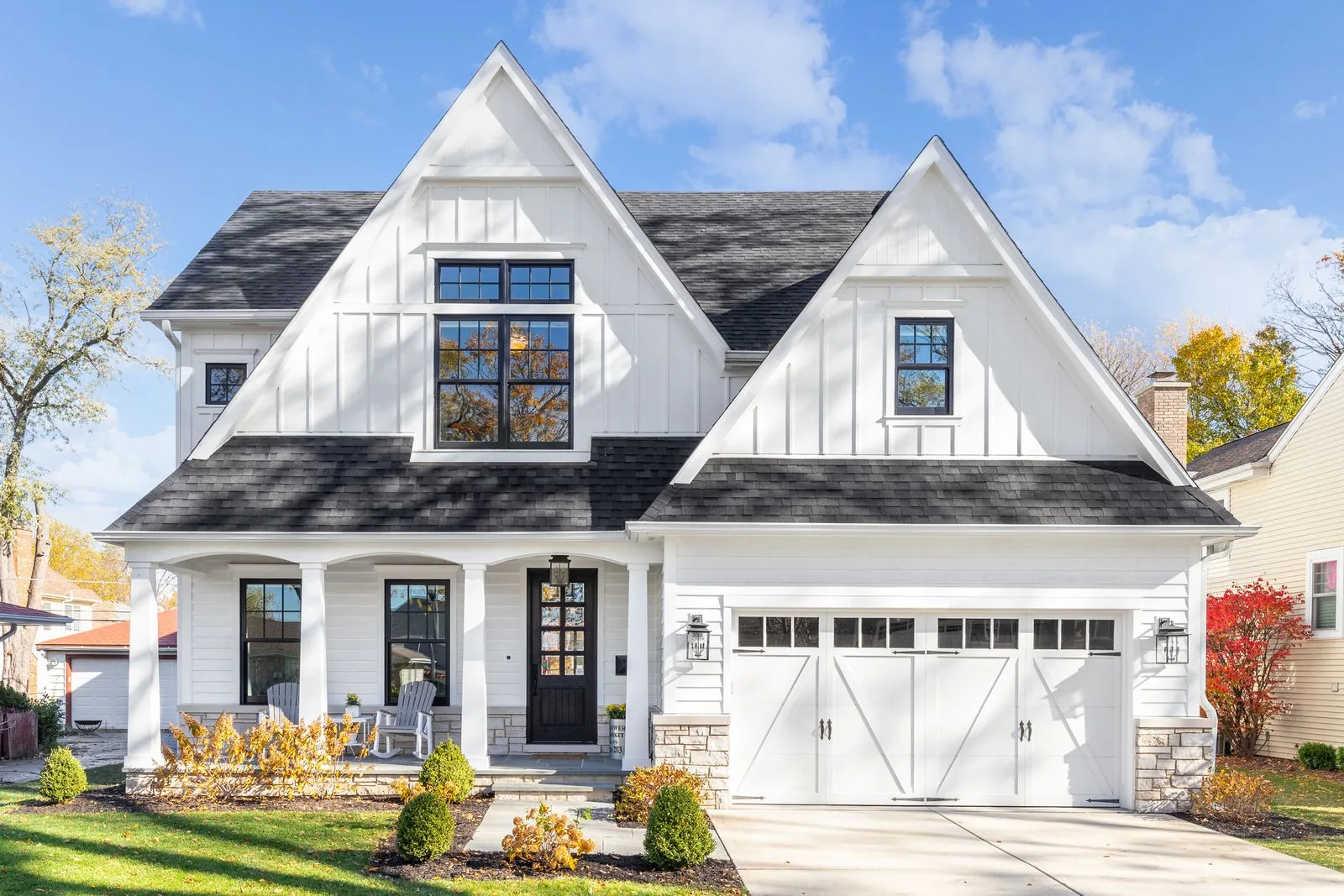
A fifth more floor area, a current building envelope, and a warranty. In a climate that swings eighty degrees across a year, the envelope is not a detail — heating a well-sealed 2,800 sq ft house can cost less than heating a leaky 2,200 sq ft one.
The newer neighbourhoods also tend to be planned around how people actually live now: attached garages that fit two vehicles, main-floor flex rooms, ensuites in more than one bedroom. None of that is romantic and all of it is load-bearing on a Tuesday morning.
What you accept is a young street. 25 cm of trunk against 36 cm is not a detail that resolves in a few seasons; it is decades.
Where each one actually is
They are not spread across the city evenly, so the choice narrows the map before it narrows the shortlist.
Pre-1960 at this level concentrates in Glenora, Windsor Park, Parkview, Crestwood, Highlands.
Built since 2010 concentrates in Windermere, Keswick, Laurel, Glenora, Downtown.
The neighbourhood ranking puts all of them side by side with the lot size and canopy each one carries.
Common questions
Is an older home in Edmonton a worse investment?
Not on this evidence. The pre-1960 stock at this level carries a higher median than the new stock, which is the market pricing land and location rather than penalising age. What it does carry is higher variance: condition ranges much more widely than it does among houses built in the last fifteen years.
How much less space am I really getting?
About 19% at the median — 2,271 sq ft against 2,820. That gap narrows if you count a finished basement, which older homes in these neighbourhoods often have and which the listing figure may not include.
What about a new infill on an old lot?
That is the third option and it is the most common outcome above $1M in the mature neighbourhoods: the lot and the street, with a house built this decade. It costs more than either, for the obvious reason.
Which holds value better?
Land does. Buildings depreciate and land does not, so the larger the share of the price that is ground, the more of it survives a soft market. That is an argument for the established lot, not for the old house standing on it.
Before you choose
Both answers are right for somebody. The question is which of the two things you cannot add later matters more to you — the street, or the house.