The short answer
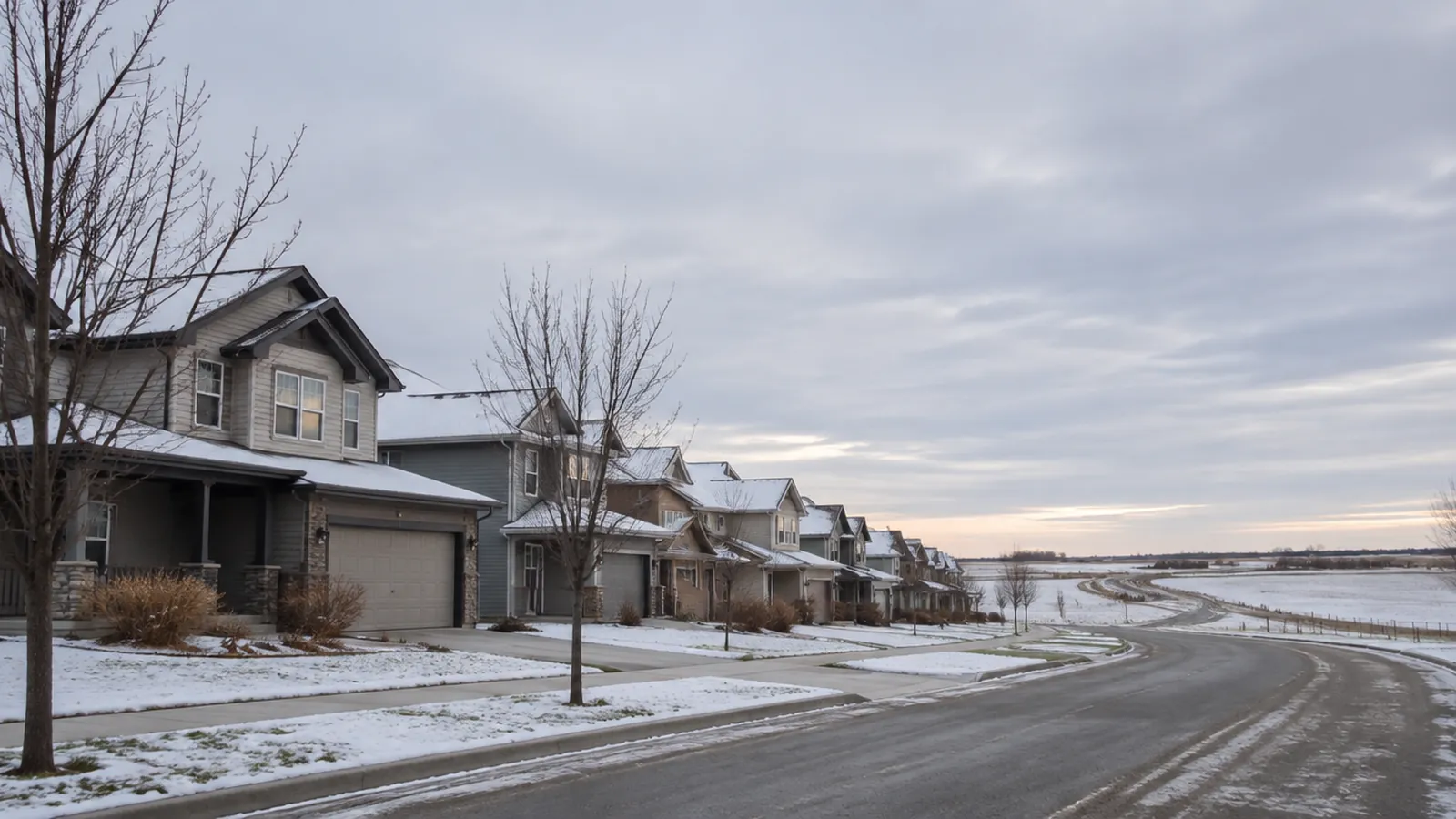
Sherwood Park has the lowest 2026 residential tax rate of the four, at 7.28 mills. Beaumont is 9.34, Edmonton 10.36 and St. Albert 11.08. On a $500,000 assessment that's about $3,640 a year in Sherwood Park, $4,670 in Beaumont, $5,180 in Edmonton and $5,540 in St. Albert.
Key takeaways
- 2026 total residential rates: Sherwood Park (Strathcona County) 7.28 mills, Beaumont 9.34, Edmonton 10.36 and St. Albert 11.08.
- On a $500,000 assessment, Sherwood Park pays about $1,540 a year less than Edmonton and about $1,900 less than St. Albert.
- The school portion is set by the province and is close to the same in all four. The difference is the municipal rate.
- Strathcona County's rate is low mostly because industry in the Industrial Heartland carries a large share of its taxes.
- Each municipality assesses homes separately, and utilities are billed on top, so compare the whole yearly cost of a home, not the rate alone.
Which has the lowest property tax: Edmonton, St. Albert, Sherwood Park or Beaumont?
Sherwood Park, by a wide margin. St. Albert has the highest rate of the four, Edmonton is close behind it, and Beaumont sits between Edmonton and Sherwood Park.
These are the 2026 residential rates each one set this spring, in mills. A mill is a dollar of tax for every $1,000 of assessed value, so a 10-mill rate on a $500,000 assessment is $5,000 a year.
| Municipality | Municipal | Education and other | Total | Tax on $500,000 |
|---|---|---|---|---|
| Edmonton | 7.74 | 2.62 | 10.36 | $5,182 |
| St. Albert | 8.39 | 2.68 | 11.08 | $5,538 |
| Sherwood Park (Strathcona County) | 4.58 | 2.69 | 7.28 | $3,638 |
| Beaumont | 6.76 | 2.58 | 9.34 | $4,671 |
“Education and other” is the provincial school requisition plus, depending on the municipality, a small housing-foundation levy or Edmonton’s education requisition allowance. The school portion is set by the province, so it’s close to the same everywhere. Almost all of the difference is the municipal rate.
What does the same home cost in tax in each place?
Here’s the annual tax at three assessed values, using each municipality’s 2026 total residential rate.
| Municipality | $400,000 | $500,000 | $650,000 |
|---|---|---|---|
| Edmonton | $4,145 | $5,182 | $6,736 |
| St. Albert | $4,431 | $5,538 | $7,200 |
| Sherwood Park (Strathcona County) | $2,911 | $3,638 | $4,730 |
| Beaumont | $3,737 | $4,671 | $6,072 |
At $500,000, a home in Sherwood Park pays about $1,540 a year less than the same assessment in Edmonton, and about $1,900 less than in St. Albert. Beaumont is about $510 a year below Edmonton.
Two cautions. First, the same house won’t be assessed at the same value in each place. Each municipality does its own assessment, and a similar home in St. Albert and in Edmonton’s north end can carry quite different values. Second, water, sewer and garbage aren’t in these numbers. They’re billed separately, and they differ too.
Why is Sherwood Park’s tax rate so much lower?
Mostly because Strathcona County collects a large share of its taxes from industry. The refineries and plants in the Industrial Heartland pay a much higher non-residential rate, and that carries a lot of the county’s budget. St. Albert has far less industry, so more of its budget falls on homeowners.
Keep in mind that Strathcona County’s rate applies county-wide, to Sherwood Park and to the rural areas alike. Edmonton, St. Albert and Beaumont are each one city.
How is my property tax calculated?
Your assessed value times your municipality’s total rate, divided by 1,000. If your home is assessed at $480,000 in Edmonton, the 2026 bill is $480,000 × 10.3637 ÷ 1,000, or about $4,975.
The assessment is the municipality’s estimate of what your home would have sold for on a set valuation date in the year before the tax year. It’s done for every property at once, so it’s a fair way to share out the tax bill and not much more. Each municipality does its own, with its own assessors and its own models.
In Edmonton, the provincial school portion is about a quarter of the residential rate. The rest is the City’s.
If the rate goes down, does my tax go down?
Not necessarily, and the two places I could check show why.
Strathcona County’s total residential rate fell from 7.4093 mills in 2025 to 7.2770 in 2026, while council approved a 4.88% increase in municipal revenue. Edmonton’s rate went up a little, from 10.1391 to 10.3637, while council confirmed a 6.9% increase in the tax levy.
That’s because a council sets how much money it needs, and the rate is worked out from the total assessed value of everything in town. If assessments go up across the board, the rate can drop and the average bill still rises. What decides your own bill is how your assessment moved against everyone else’s. A home whose value rose faster than average pays more of the share. One that lagged pays less.
Do lower property taxes mean a higher sale price?
Partly. Buyers who are choosing between Edmonton and a neighbouring town do look at the tax line on the listing, and a lower one makes a home a bit easier to afford. Some of that ends up in what they’re willing to pay.
But taxes are rarely why someone picks Sherwood Park over Edmonton, or Edmonton over St. Albert. Schools, the commute, family and the kind of house they want come first. The tax difference mostly matters at the margin, between two homes a buyer already likes.
Where it does matter for sellers is in how a listing compares. If you’re selling in St. Albert and your buyer is also looking across the line in Edmonton or Sherwood Park, they’ll notice your tax bill is higher. That’s worth knowing when you price, and it’s worth pointing out what the tax pays for. If you’re selling in Sherwood Park, the lower tax is a fair thing to mention.
What should the tax line on my listing say?
The actual amount from your most recent tax notice, and the year it’s for. Buyers and their agents use it to compare homes, and lenders use it to work out how much a buyer qualifies for. A rounded number or an old year causes questions later.
If you’re on a monthly payment plan with your municipality or your lender pays the tax for you, the annual figure is still what goes on the listing. And if your home was recently renovated or added onto, the next assessment may jump. It’s fair to tell a buyer that rather than let them find it on their first notice.
How are property taxes handled when I sell?
They’re split at closing. You pay for the days of the year you owned the home, the buyer pays for the rest, and the lawyers settle it on the statement of adjustments. It works the same way in all four municipalities.
The tax on your listing is usually last year’s bill. Edmonton’s draft budget proposes a 4.9% increase for 2027, and council votes by December 18. My post on Edmonton’s 2027 property tax increase explains what that means for a sale. The other three set their 2027 rates next spring.
If your assessment looks high or low against your home’s value, assessed value vs market value explains why the two numbers differ and why your assessment isn’t your asking price.
Comparing homes across the four
If you’re selling in one and buying in another, look at the whole yearly cost of each home, not the tax line on its own. Then look at what’s actually for sale. My pages for St. Albert, Sherwood Park and Beaumont show the homes on the market there today, and a home evaluation tells you where your own home stands.
Edmonton’s market right now
There are 5,417 homes competing for buyers in Edmonton today, at a median list price of $424,900 and a median of $296 per square foot.
| Price band | Listings | Share |
|---|---|---|
| Under $300,000 | 1,703 | 31% |
| $300,000 – $500,000 | 1,889 | 35% |
| $500,000 – $750,000 | 1,247 | 23% |
| $750,000 – $1M | 308 | 6% |
| $1M and up | 270 | 5% |
Source: Real Living’s CREA DDF® feed, active Edmonton residential listings as of 17 November 2026. Figures refresh several times a day; extreme outliers are excluded so a median reflects the real market. Search every listing.

Ryan McCann
Ryan McCann is one of Edmonton’s top REALTORS® with over 23 years of experience helping more than 2,200 buyers and sellers. His work spans every Edmonton neighbourhood and property type, bringing deep local market knowledge and practical guidance to buying or selling a home in Edmonton.
He has guided more than 2,200 buyers and sellers through Edmonton transactions, and prices listings from what is selling now rather than from what a seller hopes to get.
Contact Ryan today at 780-964-8445 to talk through your next step.
Reviewed 17 November 2026
Sources
City of Edmonton, historical tax rates (2026, Bylaw 21442) — edmonton.ca
City of St. Albert, current tax rates (Bylaw 18/2026) — stalbert.ca
Strathcona County, tax rates (Bylaw 4-2026) — strathcona.ca
City of Beaumont, property tax rate (Bylaw 1100-26) — beaumont.ab.ca
Strathcona County, annual tax notices will be mailed mid-May, April 29, 2026 — strathcona.ca
CTV News Edmonton, 2026 municipal tax bylaw passes, 6.9% tax levy confirmed — ctvnews.ca
Rates are each municipality's 2026 residential rates. Annual tax is the assessed value times the total rate, rounded to the dollar. Utilities, local improvement levies and the designated industrial property requisition aren't included. This article is general information, not tax advice.
Frequently asked questions
Are property taxes lower in Sherwood Park than Edmonton?
Yes. Strathcona County's 2026 total residential rate is 7.277 mills, against Edmonton's 10.3637. On a $500,000 assessment that's about $3,640 a year in Sherwood Park and $5,180 in Edmonton.
Are St. Albert property taxes higher than Edmonton's?
Yes. St. Albert's 2026 total residential rate is 11.07666 mills, against 10.3637 in Edmonton. On a $500,000 assessment that's about $5,540 a year in St. Albert and $5,180 in Edmonton.
What is Beaumont's property tax rate?
Beaumont's 2026 total residential rate is 9.341578 mills, made up of a 6.759143 municipal rate, a 2.479616 school requisition and a 0.102819 housing requisition. That's about $4,670 a year on a $500,000 assessment.
Who pays property tax when I sell my home?
Both of you, for your own days. The seller pays for the part of the year they owned the home and the buyer pays for the rest. The lawyers settle it on the statement of adjustments at closing.
Your next step
Find out what your home is actually worth — and what you would net after fees — with a free, no-obligation evaluation.
Get a free home evaluationMore in Selling
 Why Edmonton Condos Are Slow to Sell, and What Still Works
 Mortgage Renewal in Edmonton: Stay, Refinance or Sell?
 Selling an Edmonton Condo When Condo Sales Are Down 31%
 Why Didn't My Edmonton Home Sell This Fall?