Edmonton Expired Listings: How to Relaunch Successfully This Spring
The short answer
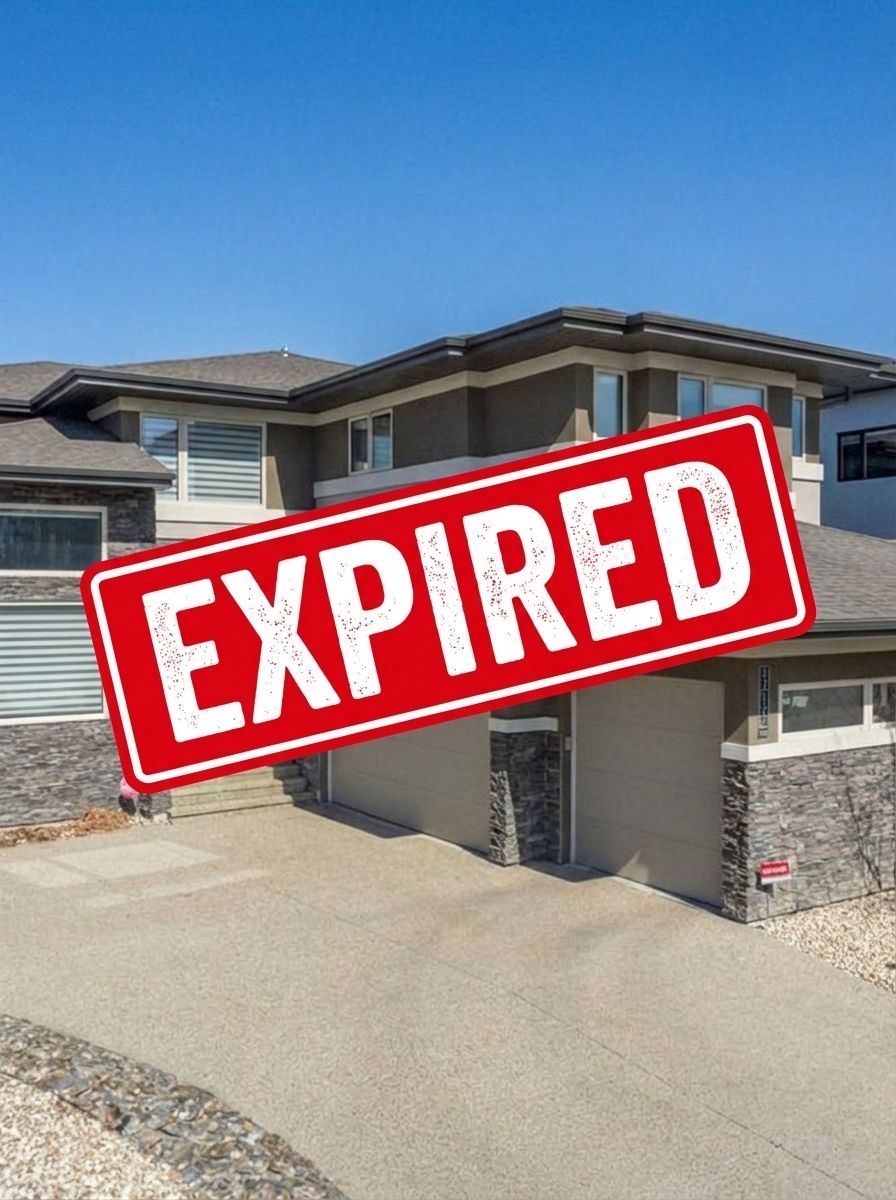
3,198 Edmonton listings expired between 1 December 2025 and 1 March 2026. Whether a relaunch works almost never comes down to the home itself — it comes down to whether the underlying problem was actually fixed before relisting. Winter expiries are driven by a smaller buyer pool with more leverage and a slower absorption rate, both of which spring genuinely changes.
Key takeaways
- 3,198 Edmonton listings expired between 1 December 2025 and 1 March 2026 — an expired listing is a seasonal norm, not a verdict on the home.
- Edmonton's seasonal rhythm is more pronounced than most Canadian cities: December and January are a fundamentally different selling environment than April and May.
- Winter buyers are motivated but know inventory is thin and sellers are flexible, which hands them negotiating leverage from day one.
- Absorption rates slow in Q4 and early Q1, lengthening days on market — which then becomes its own problem as the listing goes stale.
- Homes that expire again in spring are the ones relisted without fixing what caused the first expiry.
- A real relaunch means addressing price, presentation and marketing, not simply re-entering the same listing under a new number.
If your Edmonton home didn't sell this winter, you're not alone. 3198 Edmonton listings expired between December 1st, 2025 and March 1, 2026.
Every spring, a wave of expired listings re-enters Edmonton's real estate market. Some sell quickly. Others expire again. The difference almost never comes down to the home itself — it comes down to whether the underlying problems were actually fixed before relisting.
Here's what the data and two decades of experience tell me about why winter listings expire, why spring changes the equation, and what a successful relaunch actually requires.
Why Edmonton Homes Expire in Winter
Edmonton's real estate market has a seasonal rhythm that's more pronounced than most Canadian cities. December and January present a fundamentally different selling environment than April and May — and understanding that difference matters before you make your next move.
Buyer pool shrinks, but so does buyer urgency. The buyers active in winter are often highly motivated, but they know inventory is limited and sellers may be more flexible. That dynamic shifts negotiation leverage toward the buyer from day one.
Absorption rates slow considerably. Edmonton's absorption rate — the pace at which available homes are purchased — drops noticeably in Q4 and early Q1. A slower absorption rate means longer days on market, which creates its own problem: the longer a home sits, the more buyers assume something is wrong with it.
Days on market follow your listing. In Edmonton's MLS system, accumulated days on market are visible to buyers and their agents. A home that sat for 60 or 90 days in winter carries that history into any relaunch — unless it's handled strategically.
Why Spring Changes Everything
April and May represent Edmonton's most active and competitive selling window — and the contrast with winter is significant.
Buyer demand increases sharply. Pre-approved buyers who held off through the holidays re-enter the market with real timelines and genuine intent to purchase.
Absorption rates climb. More homes sell relative to available inventory, which supports stronger pricing and faster sales.
Multiple offer situations return. Neighbourhoods that felt stagnant in January regularly see competing offers by late April.
Negotiation leverage shifts back to sellers. With more competition among buyers, well-positioned homes command better terms — not just better prices.
This is the window expired listing owners have been waiting for. But arriving at spring without addressing what caused the expiry is the most common — and most costly — mistake I see.
The Real Reasons Edmonton Homes Expire
After 22 years working with Edmonton sellers, I can tell you that expired listings almost always share the same underlying patterns.
1. Not Enough Qualified Buyers Saw It
Listing a home and marketing a home are two different things. If your property wasn't reaching pre-approved, actively searching buyers in your price range and neighbourhood, the showing volume was never going to produce an offer — regardless of how good the home was.
2. The Photos Didn't Represent the Home
Edmonton winters are hard on real estate photography. Dark skies, snow-covered yards, and flat natural light flatten the warmth and character of a home. Buyers form their first impression online, and photos that don't do the job mean fewer showings before a single conversation happens.
3. The Pricing Sent the Wrong Signal
Pricing too high reduces showing traffic immediately. But sequential price reductions create a different problem — buyers start asking what's wrong rather than what it's worth. Strategic pricing from the outset, based on current absorption data and comparable sales, avoids both traps.
4. No Feedback, No Adjustments
Weeks passing without showing feedback isn't just frustrating — it's a strategic problem. Without knowing what buyers are thinking, there's no basis for making meaningful adjustments. A properly structured showing feedback system changes that.
5. Cookie-Cutter Marketing
The same listing strategy applied to every home in every neighbourhood produces average results at best. Your home's location, features, and target buyer profile should drive the marketing approach — not a templated playbook.
6. Negotiation Left Money Behind
Not every expired listing failed to get offers. Some got offers that weren't negotiated well — price concessions made too quickly, conditions accepted without pushback, closing timelines that cost the seller more than they needed to give up.
What a Spring Relaunch Actually Requires
Relaunching in spring isn't re-listing. It's rebuilding the approach.
A successful relaunch in Edmonton's Q2 market typically involves:
A candid review of what the showing and offer data actually revealed
Fresh professional photography — ideally timed to capture spring curb appeal
A revised pricing strategy anchored to current absorption rates and active comparable sales
A targeted marketing plan built specifically around your home and neighbourhood
A structured system for capturing and acting on showing feedback
A negotiation strategy established before offers arrive — not during
Edmonton's spring market moves quickly once it opens. Homes that are properly positioned when buyer demand peaks consistently outperform homes that enter the market reactively.
Let's Talk Before You Relist
If your Edmonton home expired this winter, the decision you make in the next few weeks will determine whether spring becomes a success story or a repeat of the same outcome.
I work with a limited number of expired listing clients each spring — because doing this well takes time, attention, and a plan built specifically around your home.
I'd like to offer you a no-obligation Spring Relaunch Strategy Session.
In 20 to 30 minutes, we'll look honestly at what happened with your listing, what the current market data says about your neighbourhood, and what a stronger relaunch would actually involve.
There's no pitch and no pressure. If it makes sense to work together, we'll talk about that. If it doesn't, you'll leave with a clearer picture of your options regardless.
Frequently Asked Questions: Edmonton Expired Listings and Spring Relaunches
What does it mean when an Edmonton home listing expires?
An expired listing means the listing agreement between the seller and their agent reached its end date without the home selling. In Edmonton, this happens most frequently during the slower winter months of November through February, when buyer demand and absorption rates are at their seasonal low.
Can I relist my Edmonton home with a different agent after it expires?
Yes. Once your listing agreement expires, you are free to relist with any agent you choose. Many sellers use this transition as an opportunity to reassess their pricing, marketing, and overall strategy before re-entering the market.
Why do so many Edmonton homes expire in winter?
Edmonton's real estate market follows a pronounced seasonal cycle. Buyer demand drops meaningfully in December and January, absorption rates slow, and negotiation leverage shifts toward buyers. Homes listed during this window face longer days on market and more price-sensitive buyers than those listed in spring.
How is April and May different for Edmonton home sellers?
Spring is Edmonton's most active selling season. Buyer demand increases sharply, absorption rates climb, and well-positioned homes regularly attract multiple offers. Sellers who enter the spring market with a properly relaunched listing are in a significantly stronger negotiating position than they were in winter.
How long does it take to properly prepare an expired listing for a spring relaunch?
In most cases, two to four weeks is sufficient to address photography, pricing strategy, and marketing preparation. Starting that process in March gives sellers the best opportunity to be market-ready when Edmonton's spring buying activity peaks in April and May.
What should I look for in an agent to handle my spring relaunch?
Look for an agent with specific experience relaunching expired listings, a clear process for diagnosing what went wrong previously, and a marketing approach tailored to your home and neighbourhood — not a templated strategy applied uniformly to every listing.
Edmonton’s market right now
There are 6,030 homes competing for buyers in Edmonton today, at a median list price of $425,450 and a median of $298 per square foot. That is the field any new listing joins.
| Price band | Listings | Share |
|---|---|---|
| Under $300,000 | 1,838 | 30% |
| $300,000 – $500,000 | 2,039 | 34% |
| $500,000 – $750,000 | 1,535 | 25% |
| $750,000 – $1M | 300 | 5% |
| $1M and up | 318 | 5% |
Source: Real Living’s CREA DDF® feed, active Edmonton residential listings as of 25 August 2026. Figures refresh several times a day; extreme outliers are excluded so a median reflects the real market. Search every listing.
Frequently asked questions
How many Edmonton listings expired over the winter?
3,198 listings expired between 1 December 2025 and 1 March 2026. Winter expiries are a seasonal pattern in Edmonton rather than an indictment of the individual homes.
Why do Edmonton homes expire more often in winter?
The buyer pool shrinks while buyer leverage grows — winter buyers know inventory is limited and sellers are flexible — and absorption rates slow through Q4 and early Q1, which lengthens days on market and compounds the problem.
Will my home sell if I just relist it in spring?
Only if the underlying issue was fixed. Spring genuinely improves the buyer pool and absorption rate, but listings that expire a second time are almost always the ones relaunched without addressing price, presentation or marketing.

Ryan McCann
Ryan is an Edmonton-based REALTOR® with MaxWell Polaris and the person behind Real Living Homes. He lives in Westmount in a 1912 home he rebuilt from the ground up, and works mainly with move-up buyers and sellers across Edmonton’s mature central neighbourhoods.
Contact Ryan today at 780-964-8445 to talk through your next step.
Last reviewed 25 August 2026. General information for Edmonton-area buyers and sellers — not individualized financial, mortgage, legal or tax advice. Market figures, government programs and rules change; confirm current details with the appropriate licensed professional.
Your next step
Find out what your home is actually worth — and what you would net after fees — with a free, no-obligation evaluation.
Get a free home evaluation