The short answer
Yes, measurably. Studies suggest properties immediately adjacent to high-voltage transmission lines carry a value discount of roughly 2% to 10%. Whether that discount is worth taking depends on resale: you gain a lower price, guaranteed green space behind you and often a larger lot, but you accept a smaller future buyer pool, visual impact and easement restrictions.
Key takeaways
- Properties immediately adjacent to high-voltage transmission lines show a value diminution of roughly 2% to 10%.
- The upside is real: a lower entry price into a better neighbourhood, guaranteed green space with no rear neighbours, and often wider or deeper lots.
- The cost is resale difficulty — a smaller buyer pool means longer days on market when you sell.
- Perceived health risk around EMFs persists in the buyer pool regardless of the science, and it affects marketability.
- Utility easements can restrict what you build on the affected portion of the lot.
The High-Voltage Dilemma
High-Voltage Transmission Lines (HVTL) are a common feature of the Alberta landscape. Properties backing onto these utility corridors often present a tempting proposition: a larger lot, massive green space, and a price tag that looks like a bargain. But is the discount worth it?
In 2026, as grid modernization continues, the debate around living near power lines remains active. Buyers must weigh the tangible benefits (price, space) against the intangible costs (stigma, resale difficulty).
The Valuation Impact: The "Discount"
Real estate data confirms that proximity to HVTLs impacts property value. Studies suggest a diminution in value ranging from 2% to 10% for properties immediately adjacent to the lines.
The Pros and Cons of HVTL Properties
| Pros | Cons |
|---|---|
| Lower Purchase Price: Get into a better neighbourhood for less. | Resale Difficulty: Smaller buyer pool; takes longer to sell. |
| Guaranteed Green Space: No neighbours behind you; often trails/parks. | Visual Blight: Industrial towers dominate the view. |
| Larger Lots: Utility corridors often allow for wider/deeper lots. | Perceived Health Risk: Ongoing public fear of EMFs (despite science). |
| Privacy: Distance from rear neighbours is significant. | Easements: Restrictions on building sheds/fences in the right-of-way. |
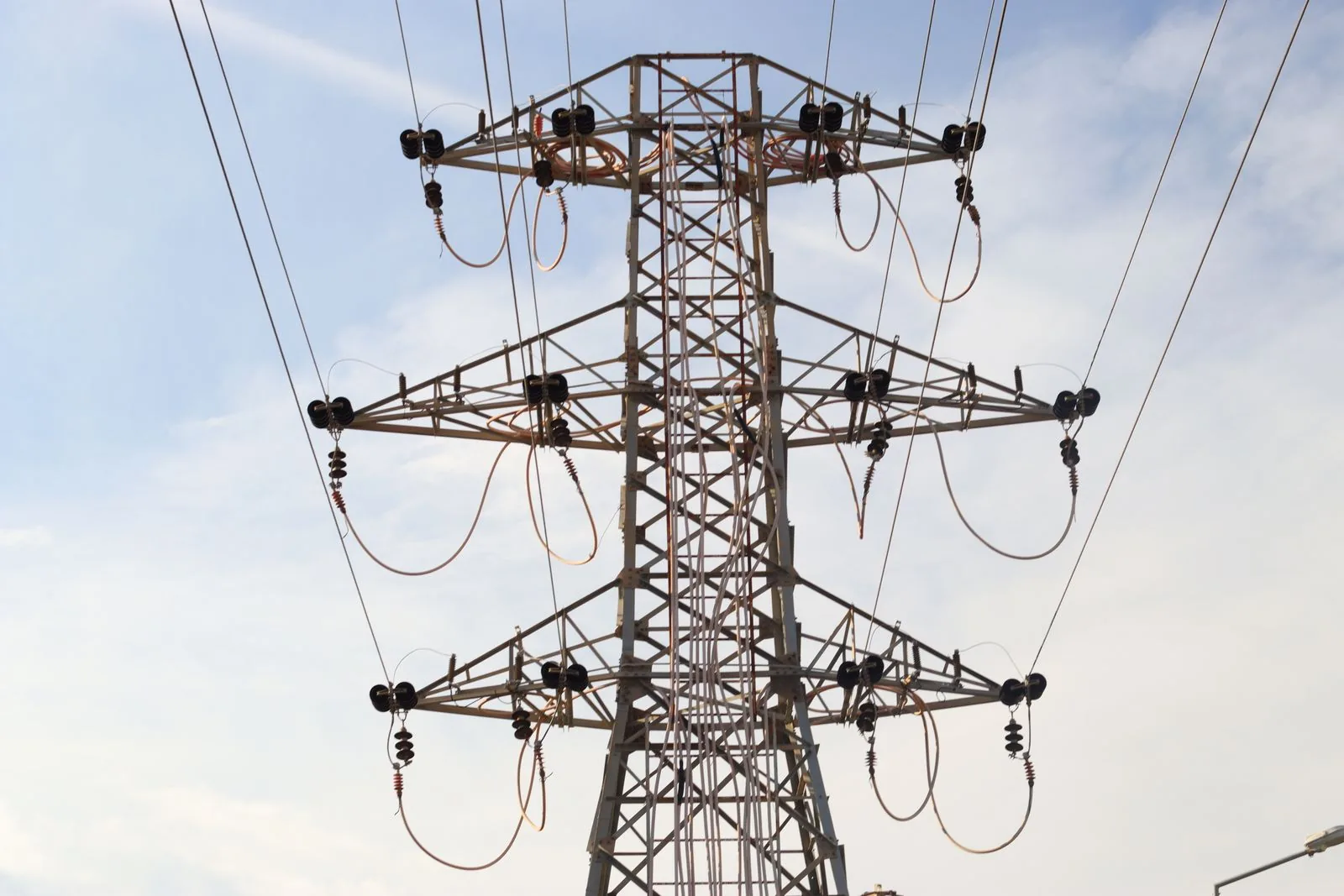
The impact is highly visual. If the towers are screened by mature trees or are smaller wooden poles, the value impact is negligible. If they are massive steel lattice towers dominating the backyard view, the impact is severe.
Perception vs. Reality
The biggest hurdle is the Stigma Cost. Regardless of scientific consensus stating that residential magnetic fields from power lines are generally safe, a significant segment of the buying public (up to 80% in some surveys) perceives a health risk.
As a seller, you cannot "educate" a buyer out of this fear. If they believe it is unsafe, they will not buy it. This reduces your liquidity. When you buy a home near lines, you must accept that when you sell, you will face this same reduced buyer pool.
The "Green Space" Premium
In dense suburban areas, the utility corridor effectively functions as a linear park. It provides off-leash dog walking areas, cycling paths, and open sky views. For some buyers, this amenity actually neutralizes the negative impact of the lines. If the choice is between a house backing onto a busy roadway or a house backing onto a quiet (albeit ugly) power line corridor, the power line often wins.
Location is the one thing you can't change. We provide honest, data-driven assessments of location risks, including utility corridors. Connect with for a candid evaluation of any property.
Conclusion
Buying near power lines is a personal calculus. If you plan to stay long-term (15+ years), the initial discount and the lifestyle benefit of the green space likely outweigh the resale friction. If you are a short-term owner (3-5 years), the liquidity risk is significant.
Make an informed choice, not a fearful one. Connect with Ryan and the Real Living team to discuss the specific impacts of utility corridors on your potential home.
Edmonton’s market right now
Edmonton has 5,441 active MLS® listings right now, with a median list price of $424,900, a median size of 1,314 sq ft, and a median of $296 per square foot.
| Price band | Listings | Share |
|---|---|---|
| Under $300,000 | 1,711 | 31% |
| $300,000 – $500,000 | 1,899 | 35% |
| $500,000 – $750,000 | 1,251 | 23% |
| $750,000 – $1M | 307 | 6% |
| $1M and up | 273 | 5% |
Source: Real Living’s CREA DDF® feed, active Edmonton residential listings as of 16 November 2026. Figures refresh several times a day; extreme outliers are excluded so a median reflects the real market. Search every listing.

Ryan McCann
Ryan McCann is one of Edmonton’s top REALTORS® with over 23 years of experience helping more than 2,200 buyers and sellers. His work spans every Edmonton neighbourhood and property type, bringing deep local market knowledge and practical guidance to buying or selling a home in Edmonton.
He tracks the Edmonton market daily and works from what is actually selling rather than from headlines, which is the same standard he applies to a client’s own pricing.
Contact Ryan today at 780-964-8445 to talk through your next step.
Reviewed 16 November 2026
Frequently asked questions
Do power lines lower property value in Edmonton?
Studies suggest a diminution in value of roughly 2% to 10% for properties immediately adjacent to high-voltage transmission lines, with the effect diminishing as distance increases.
Is buying near a power line a good deal?
It can be, if you are buying to hold. You get a lower price, no rear neighbours and often a larger lot — but you should expect a smaller buyer pool and a longer sale when it is your turn to list.
What restrictions come with a utility corridor lot?
Easements over the corridor portion of the lot typically limit what can be built there, so confirm the registered easement terms before you plan a garage, addition or detached suite.
Your next step
Every active Edmonton listing, on one map — with the neighbourhood detail to tell the good ones apart.
Search Edmonton homesMore in Buying
 How to Choose a Realtor in Edmonton (2026): Essential Interview Questions
 Infill vs Suburban New Build in Edmonton: Cost, Lifestyle, ROI
 Bill C-4 Is Now Law — What First-Time Buyers in Edmonton Need to Know About GST
 Edmonton Property Taxes & GST Rebates: 2026 Cost Guide