RSS

New vs Old Homes in the Same Edmonton Neighbourhood: Understanding Appraisal and Value Differences

Walk through any established Edmonton neighbourhood like Parkallen, Belgravia, or Strathcona, and you'll notice an interesting mix: newly built infill homes standing beside character properties from the 1950s and 60s. Both are on the same street, in the same community, with the same schools and amenities. Yet their appraised values can differ dramatically—sometimes by hundreds of thousands of dollars. Understanding why this happens is essential for both buyers and sellers navigating Edmonton's evolving real estate market.

The Land Value Equation

In mature Edmonton neighbourhoods, land value often represents 40-60% of a property's total value, and sometimes even more. When comparing a new home to an older home in the same community, they typically sit on similar-sized lots with comparable land values. This creates an interesting dynamic where the structure itself—not the location—becomes the primary differentiator.

A new 2,200-square-foot infill home in Parkallen might appraise for $850,000, while a 1,400-square-foot 1960s bungalow three doors down appraises at $550,000. Both may sit on 50-foot lots worth approximately $400,000. The $300,000 difference comes down to the structure: modern construction, efficient systems, contemporary layouts, and no deferred maintenance versus an aging home requiring updates and repairs. It’s important to note that many of the newer homes sit on sub-divided lots (skinnys). 

According to Canadian Real Estate Association trends, established neighbourhoods with strong infill development typically see land values stabilize while structure values create wider price ranges within the same blocks.

Building Code and Energy Efficiency Standards

One of the most significant but often overlooked differences between new and old homes is the evolution of building codes. A home built in 2024 meets entirely different standards than one built in 1965, and these differences have real financial implications that affect appraisals.

Modern homes built to current Alberta Building Code standards feature superior insulation, high-efficiency furnaces, advanced ventilation systems, and energy-efficient windows. A new home in Edmonton might have R-40 attic insulation and triple-pane windows, while an older home in the same neighbourhood has R-20 insulation and original single-pane windows.

These differences translate directly to operating costs. New homes in Edmonton typically cost $150-$250 monthly for utilities, while comparable-sized older homes might cost $300-$450 monthly. Over a 25-year mortgage, this $2,000+ annual difference represents $50,000 in additional costs—a factor increasingly considered in appraisals as energy efficiency becomes more valued.

Additionally, older homes may contain materials no longer permitted by code, such as asbestos insulation, aluminum wiring, lead paint or Poly-B plumbing. A top-producing Realtor will be able to give you guidance on the age range of homes where this is common - for example asbestos can be found in plaster in 1940’s bungalows AND tile in 1950-1970’s homes. Poly-B plumbing can be found in homes built from the late 1980’s to late 1990’s. While not necessarily requiring immediate remediation, these features can affect both appraisals and buyer willingness to purchase, particularly when mortgage default insurers become involved.

Important Consideration: Alberta has been progressively tightening energy efficiency requirements in building codes. Homes built before 1980 in Edmonton typically require $30,000-$60,000 in energy upgrades to approach modern efficiency standards. Homes built in the 1990s might need $15,000-$25,000 in improvements. New homes require none of these investments, which appraisers factor into comparative valuations.

Functional Obsolescence in Older Homes

Functional obsolescence occurs when a home's design no longer meets current market preferences, even if it's structurally sound. This is one of the primary reasons older homes appraise lower than new construction in the same neighbourhood, and it's particularly evident in Edmonton's mature communities. For example, homes built in the 1980’s and 1990’s may require significant cosmetic upgrades, which could cost a home buyer thousands of dollars. 

Consider typical layouts from different eras. Homes from the 1950s and 60s often feature small, closed-off kitchens separated from dining and living areas. Bedrooms are smaller, often 10x10 or 10x12 feet. Bathrooms are minimal—many three-bedroom bungalows have just one bathroom. Basements are frequently unfinished with low ceilings.

New infill homes, conversely, are designed for modern living: open-concept main floors, kitchen islands suitable for entertaining, primary bedrooms with ensuite bathrooms and walk-in closets, main-floor laundry, and multiple bathrooms. These aren't luxury features—they're standard expectations that make older layouts feel dated by comparison.

Functional obsolescence directly reduces value. An appraiser might apply a 10-20% adjustment when comparing an older home with a closed floor plan to a new home with open-concept design, even if the square footage is similar. The older home can be renovated to address these issues, but that requires significant investment that new homes don't need.

Deferred Maintenance and Capital Expenditures

Perhaps the most significant appraisal difference between new and old homes in the same neighborhood comes down to a simple reality: everything in a house has a useful life, and older homes are further along that timeline.

A new home comes with warranties and systems at the beginning of their lifespan. Roofs last 20-30 years. Furnaces last 15-20 years. Hot water tanks last 10-15 years. Windows last 20-30 years. Buyers of new homes face no immediate major capital expenditures.

An older home presents a different picture. Even a well-maintained 30-year-old home likely needs or will soon need a new roof ($10,000-$18,000), furnace replacement ($4,000-$7,000), window updates ($15,000-$30,000), and potentially electrical panel upgrades ($2,000-$5,000). These aren't possibilities—they're inevitabilities based on the age of components.

Appraisers account for this through depreciation schedules and condition assessments. A home with a 25-year-old roof doesn't get full credit for having a roof—it gets partial credit because that roof is near the end of its useful life. The same applies to every major system and component.

Savvy buyers understand this calculation. When comparing a $800,000 new home to a $650,000 older home in the same neighborhood, they recognize the $150,000 price difference might represent less than $100,000 in actual value difference once they account for immediate and near-term capital expenditures the older home requires.

Modern Design and Contemporary Finishes

Design trends evolve, and homes reflect the era in which they were built. While some buyers appreciate the character of older homes, the broader market demonstrates a clear preference for contemporary design, which drives appraisal values.

New homes in Edmonton neighborhoods feature nine-foot ceilings on main floors, large windows maximizing natural light, contemporary color palettes, and modern materials like quartz countertops, luxury vinyl plank flooring, and designer lighting. These aren't just aesthetic preferences—they represent what today's buyers expect and are willing to pay premium prices to obtain.

Older homes in the same neighborhoods often have eight-foot ceilings, smaller windows, popcorn ceilings, oak cabinets, laminate countertops, and carpeting throughout. While these were premium features in their time, they now read as dated. Updating these elements is possible but expensive—a full interior renovation of a 1,500-square-foot older home might cost $80,000-$150,000 to bring it to contemporary standards.

According to Alberta real property assessment standards, appraisers must consider market preferences when valuing properties. When comparable sales data shows buyers consistently paying premiums for contemporary design, appraisers adjust older home values downward accordingly.

Market Insight: In mature Edmonton neighborhoods experiencing active infill development, the "character home discount" can range from 15-35% compared to new construction on comparable lots. This discount reflects not just the age of the home, but the cumulative effect of functional obsolescence, deferred maintenance, outdated design, and renovation costs buyers must undertake to modernize the property.

Square Footage and Livable Space

Square footage comparisons between new and old homes in the same neighbourhood often reveal surprising differences that affect appraisals. New infill homes typically maximize allowable building envelopes, creating larger structures on similar-sized lots.

A typical 50-foot lot in an established Edmonton neighbourhood might hold a 1,400-square-foot bungalow built in 1965. A new infill on the same size lot might contain 2,400 square feet over two or three stories. This 1,000 square feet of additional space—at $200-$300 per square foot value—represents $200,000-$300,000 in additional appraised value.

Beyond total square footage, the quality and utility of space matters. Older homes often have unfinished basements with low ceilings (6.5-7 feet) that don't count as living space in appraisals. New homes typically have developed basements with proper ceiling heights, egress windows, and full finishing, making this space count toward total livable area. Alberta’s Residential Measurement Standard will apply for appraisals. 

Attics present another consideration. Older homes often have unusable attic space, while new homes frequently incorporate third-floor bonus rooms, bedrooms, or lofts into their design, adding both square footage and functional living areas.

Lot Characteristics and Maximizing Value

While new and old homes in the same neighbourhood may sit on similar lots, how they utilize those lots can differ significantly. New construction tends to maximize site potential in ways older homes don't, creating appraisal value differences.

Modern infill homes often feature double garages (sometimes oversized to accommodate larger vehicles), properly graded yards with maintained drainage, and outdoor living spaces like decks or patios designed into the original plan. Landscaping is fresh, fencing is new, and driveways are recently paved.

Older homes might have single garages (or none), driveways requiring repaving, mature trees that add character but may also present maintenance concerns, and yards that have settled unevenly over decades. These differences might seem minor individually, but collectively they influence both appraised value and market appeal.

Additionally, new homes typically maximize allowable setbacks and heights under current zoning, while older homes were built under different regulations and may not use the full potential of their lots. This unrealized potential can actually affect how buyers and appraisers view older properties—not for what they are, but for what they could become through redevelopment.

The Redevelopment Premium and Highest-Best-Use Analysis

In mature Edmonton neighbourhoods, appraisers must consider two potential values for older homes: the value as an existing residence and the value as a redevelopment opportunity. This creates unique dynamics that don't exist in newer suburban areas.

When an older home's land value approaches or exceeds its total property value, the highest and best use of that property may be demolition and new construction rather than renovation and continued use. In neighbourhoods like Westmount, Glenora, or Bonnie Doon, this scenario occurs frequently.

For example, a 1,200-square-foot 1955 bungalow on a prime lot might appraise at $600,000, with $450,000 attributable to land and $150,000 to the structure. A developer or buyer planning to build new might pay $600,000 knowing they'll demolish the structure and build a $900,000 home on the $450,000 lot. The old home's value is essentially land value plus a small premium for time (the ability to live in it while planning new construction).

This dynamic actually supports prices in mature neighbourhoods even for older homes that appear to need extensive work. They're not valued for their current condition—they're valued for their potential transformation into new homes that will appraise much higher.

Warranty Coverage and Risk Mitigation

New homes in Alberta come with mandatory warranty coverage through the New Home Buyer Protection Act. This typically includes one year for materials and labor, two years for building envelope systems, five years for building envelope water penetration, and ten years for structural defects. This warranty protection has real value that affects both appraisals and buyer confidence.

Older homes, even recently renovated ones, carry inherent uncertainty. You're buying someone else's maintenance history and hoping previous owners addressed issues properly. Without warranties, buyers assume more risk, which translates to lower valuations and more conservative appraisals.

When financing is involved, lenders view this risk differently too. New homes often qualify for lower down payments and more favourable terms because the risk of immediate major repairs is minimal. Older homes, particularly those over 40 years old, may face additional scrutiny, required inspections, or reserve requirements from lenders.

Market Absorption and Days on Market

One of the clearest indicators of value differences between new and old homes in the same neighbourhood is how quickly they sell. Market absorption rates—how long properties take to sell—directly influence appraisals and pricing strategies.

In active Edmonton neighbourhoods with infill development, new homes often sell within 30-60 days, sometimes before construction completes if pre-selling is used. This rapid absorption indicates strong demand and supports premium pricing.

Older homes in the same neighbourhoods typically take longer to sell—often 60-120 days or more. This extended marketing time isn't necessarily because they're overpriced; it reflects a smaller buyer pool. New homes appeal to a broad market, while older homes appeal primarily to buyers willing to undertake renovations or investors planning redevelopment.

Appraisers consider days-on-market data when assessing value. Properties that consistently move quickly support higher valuations, while those requiring extended marketing periods suggest softer demand and more conservative pricing.

Property Tax Implications

While not directly part of the appraisal process, property taxes affect overall ownership costs and buyer decision-making. In Edmonton, newly built homes typically receive higher assessed values than older homes in the same neighbourhood, resulting in higher annual property taxes.

A new $850,000 home might have annual property taxes of $5,500-$6,500, while an older $600,000 home in the same area might have taxes of $4,000-$4,800. This $1,200-$1,700 annual difference is significant to many buyers and represents another cost consideration beyond the purchase price.

However, this higher tax burden on new homes is somewhat offset by lower utility costs, minimal maintenance expenses, and no immediate capital expenditure needs. When buyers evaluate total cost of ownership, new homes often prove more economical despite higher purchase prices and property taxes.

Renovation Economics and Value Recovery

One question sellers of older homes frequently ask is whether renovating their property will bring it to parity with new construction in their neighbourhood. The answer is complex and depends on the scope and quality of renovations.

Extensive renovations—new roof, windows, siding, kitchen, bathrooms, flooring, mechanical systems—can bring an older home close to new-home value, but rarely matches it dollar-for-dollar. A $200,000 complete renovation of a $500,000 older home might increase its value to $650,000-$675,000, still below a new $850,000 home on a comparable lot.

Why doesn't renovation spending translate to equivalent value increases? Several reasons: the home's structure and foundation are still old, walls are still the original framing (even if re-drywalled), the floor plan may remain compromised by structural limitations, and buyers recognize the difference between "renovated old" and "authentically new."

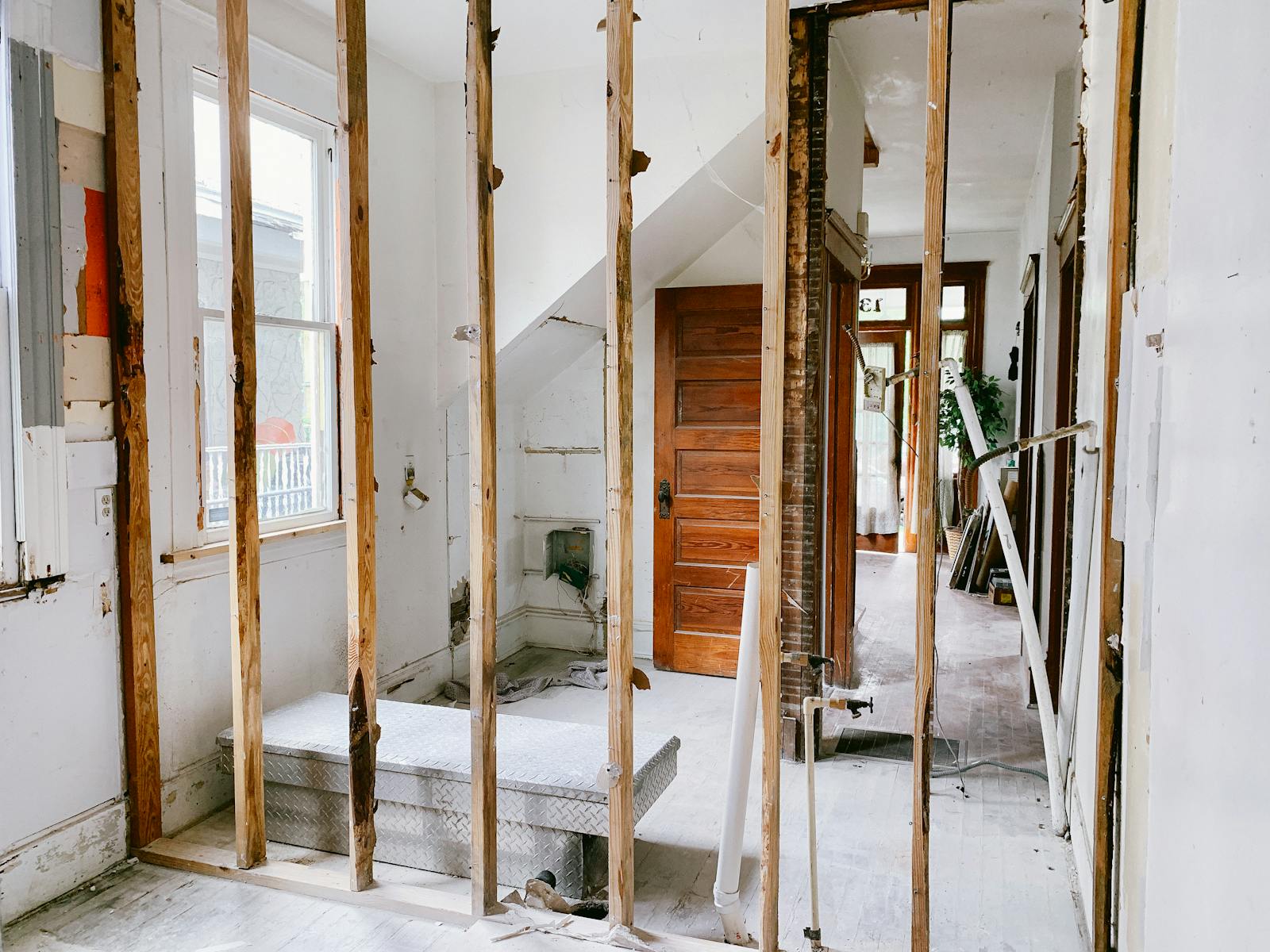
That said, selective renovations can significantly narrow the gap and make older homes more competitive, particularly when they preserve character elements that some buyers specifically seek—hardwood floors, plaster walls, unique architectural details—while updating kitchens, bathrooms, and systems.

The Character Home Premium

While most of this article focuses on why new homes appraise higher than older homes, it's important to acknowledge a counter-trend: certain older homes command premiums specifically because of their age and character.

In neighbourhoods like Strathcona, Garneau, or Old Glenora, architecturally significant homes from the early 1900s to 1940s sometimes appraise at or near new construction values despite their age. These properties offer qualities new infills cannot replicate: original hardwood floors, heritage detailing, mature landscaping, larger lots, and architectural styles no longer built.

However, these character premiums are selective. They typically apply to well-maintained heritage properties in prime locations with strong architectural merit. The average 1960s bungalow, regardless of condition, doesn't benefit from this premium because it represents an era of building that's neither historic enough to be heritage nor modern enough to compete with new construction.

Making Informed Decisions in Mixed-Age Neighbourhoods

Understanding the appraisal and value differences between new and old homes in the same Edmonton neighbourhood helps you make better real estate decisions. If you're selling an older home, you'll understand realistic pricing based on how your property compares to new construction. If you're buying, you'll know whether the price difference between new and old fairly reflects the actual value gap or presents an opportunity.

The key is recognizing that location is only one component of value. In established neighbourhoods, the land provides a baseline, but the structure, its condition, its functionality, and its alignment with current market preferences determine final appraised values and sale prices.

Get Expert Guidance on Property Values in Your Neighborhood

Whether you're considering buying or selling in an established Edmonton neighborhood with mixed housing ages, understanding how new and older homes are valued relative to each other is essential for making informed decisions. The interplay of land values, building condition, modern features, and market preferences requires nuanced analysis.

Contact Ryan McCann a top producing Realtor and Real Living today to discuss property values in your specific neighbourhood. With comprehensive knowledge of Edmonton's mature communities and infill development trends, we provide expert insights into how your property compares to both new and existing homes in your area, helping you price accurately or make competitive offers.

Reach out to Ryan McCann and Real Living for a detailed consultation about property valuations in established Edmonton neighbourhoods and discover how our local expertise can guide your real estate decisions.

Reference Links:

Read

The Definitive Guide to Realtor Commissions in Edmonton (2026 Edition): A Deep Dive into Costs, Value, and Market Dynamics

Navigating the real estate market in Edmonton requires more than just an eye for curb appeal or a pre-approval letter; it demands a sophisticated understanding of the financial mechanics that drive the industry. For homeowners preparing to sell in neighbourhoods from Windermere to Oliver, and for buyers looking to enter the market in 2026, the topic of realtor commissions is often the most discussed—and least understood—aspect of the transaction.

Real Living offers a No-Risk listing plan with variable commission rates and the flexibility to sell your own home for zero commission. Contact us today for a free home evaluation. 

In the digital age, where information is abundant but context is scarce, understanding what you are paying for is just as critical as knowing how much you are paying. The conversation around real estate fees has evolved significantly over the last few years, particularly with the regulatory shifts seen in 2025 regarding buyer representation and the increasing complexity of digital marketing required to sell a home in a balanced market.

This comprehensive article serves as an exhaustive resource for Edmontonians. It moves beyond the surface-level "7 and 3" soundbites to explore the economic, legal, and strategic underpinnings of real estate commissions. We will analyze how these fees fund the advanced SEO (Search Engine Optimization) and GEO (Geographic Optimization) strategies necessary to rank a property in a crowded online marketplace, ensuring your home is seen by the right buyers at the right time.

Whether you are selling a luxury estate in Glenridding or purchasing a first-time condo in Downtown Edmonton, this guide provides the transparency and depth needed to make empowered financial decisions.


2. The Architecture of Commission: The "7 and 3" Model Explained

While the Competition Act in Canada strictly prohibits standardizing or fixing commission rates—meaning all real estate fees are technically negotiable—market forces in Alberta have coalesced around a specific structure known colloquially as "7 on the first 100 and 3 on the balance". This graduated commission model differs significantly from the flat-percentage models seen in provinces like Ontario or British Columbia, and understanding its mathematical logic is the first step in financial planning for any seller.

2.1 The Mathematical Framework

The prevailing structure in Edmonton operates on a tiered basis. It is designed to ensure that the fixed costs of listing a property are covered regardless of the final sale price, while preventing the total fee from becoming exorbitant on higher-value properties.

The calculation generally follows this formula:

  1. 7% is charged on the first $100,000 of the final sale price.

  2. 3% is charged on the remaining balance of the sale price.

This total amount usually represents the gross commission paid by the seller. Crucially, this fee is typically shared between the two brokerages involved in the transaction: the listing brokerage (representing the seller) and the cooperating brokerage (representing the buyer). A common split is 50/50, where half of the total fee goes to each side.

2.1.1 Why the Graduated Scale Exists

The logic behind the "7 and 3" model is rooted in the operational reality of real estate. Every listing, whether it is a $150,000 condo or a $1,000,000 estate, incurs a baseline of fixed costs.

  • Fixed Administrative Overhead: Brokerage deal processing, conveyance instruction to lawyers, and record-keeping requirements under the Real Estate Act are similar regardless of price.

  • Baseline Marketing: Professional measurements (mandatory RMS in Alberta), photography, and MLS® system fees are upfront costs.

If a flat 3% were charged on a $150,000 condo, the total commission would be $4,500. Split two ways, each brokerage would receive $2,250. After agent splits, taxes, and expenses, the transaction might result in a net loss for the agent. The 7% on the first $100k creates a "floor" of revenue (roughly $3,500 per side on a $100k+ sale) that makes representing lower-priced inventory viable for professionals.

Conversely, on a $2 million property, a flat 5% fee (common in Ontario) would result in a $100,000 commission. The Alberta model (7% on $100k + 3% on $1.9M) results in roughly $64,000. This demonstrates how the graduated scale moderates costs for high-end sellers compared to flat-rate markets.

2.2 Detailed Calculation Scenarios

To visualize the financial impact, we have modeled commission costs across various price points typical of the 2026 Edmonton market. These calculations include the 5% Goods and Services Tax (GST), which applies to all real estate services in Canada.

Table 1: Comprehensive Commission Breakdown (7/3 Split)

Property TypeSale Price7% on 1st $100k3% on BalanceTotal Net FeeGST (5%)Total PayableEffective Rate
Entry Condo$180,000$7,000$2,400$9,400$470$9,8705.22%
Starter Home$375,000$7,000$8,250$15,250$762$16,0124.06%
Median House$455,000$7,000$10,650$17,650$882$18,5323.88%
Move-Up Home$650,000$7,000$16,500$23,500$1,175$24,6753.61%
Luxury Estate$1,200,000$7,000$33,000$40,000$2,000$42,0003.33%

Note: Data derived from standard market practices in Alberta. Effective Rate = Total Net Fee / Sale Price.

2.3 The "Competition Act" and Negotiability

It is imperative to state that there is no "standard" commission. The Competition Act ensures that consumers have choice. Sellers are free to negotiate different rates, and brokerages are free to offer alternative models.

  • Flat Fee Models: Some brokerages charge a flat rate (e.g., $7,000) regardless of sale price.

  • Menu of Services: Unbundling services (e.g., paying for the listing but handling your own showings) can reduce fees.

However, "you get what you pay for" is a maxim that holds weight in real estate. Reduced commissions often correlate with reduced marketing budgets, limited exposure on long-tail search channels, and less dedicated support during complex negotiations.


3. The Value Proposition: Deconstructing the Fee

When a seller sees a line item for $18,532 on their statement of adjustments, the natural question is: "Where does that money go?" It is a common misconception that the agent pockets the entire amount. In reality, the gross commission funds a complex ecosystem of professional services, risk management, and business overhead.

3.1 The Distribution of Funds

The journey of a commission cheque is extensive. Before a single dollar reaches the agent's personal bank account, it passes through multiple filters:

  1. The Split (Listing vs. Cooperating): Typically, 50% of the fee leaves the listing brokerage immediately to pay the buyer's brokerage. This incentivizes the entire market of 3,000+ Edmonton realtors to bring a buyer to the home.

  2. Brokerage Fees: The remaining 50% is subject to a "split" with the agent's brokerage. This can range from 10% to 50% depending on the brokerage model, covering brand licensing, conveyance staff, and office infrastructure.

  3. Marketing & Listing Costs: Agents front the cost for marketing. If the home doesn't sell, the agent is out of pocket for these expenses.

  4. Taxes & Dues: Income tax, RECA licensing fees, AREA dues, and mandatory insurance premiums further reduce the net income.

3.2 The Cost of "Listing" vs. "Marketing"

In the context of SEO and GEO, the distinction between listing a home and marketing a home is profound. A "discount" model often covers the cost of listing—putting the data on the MLS® System. A full-service commission funds marketing—the active pursuit of buyers through advanced digital strategies.

3.2.1 Professional Visual Assets

In 2026, the "first showing" happens online. High-quality visual assets are non-negotiable for ranking in search results. Google and real estate portals prioritize listings with rich media.

  • HDR Photography: $250 - $500. Standard photos don't cut it. High Dynamic Range (HDR) ensures windows aren't blown out and corners aren't dark.

  • RMS Measurements: $150 - $300. In Alberta, the Residential Measurement Standard (RMS) is mandatory. Agents must hire qualified professionals to measure the property accurately to protect the seller from liability.

  • Drone/Aerial Footage: $300+. For properties in areas like Windermere or near the River Valley, aerial shots are essential to show proximity to amenities (GEO relevance).

  • 3D Virtual Tours (Matterport): $200 - $600. These increase "dwell time" on a webpage—a key SEO metric that signals to Google the listing is high quality. They’re absolutely critical for buyers relocating to Edmonton. 

3.2.2 Digital Ad Spend

Organic reach on social media is near zero for business content. A portion of the commission is allocated to "Pay-Per-Click" (PPC) and social advertising.

  • Geo-Fencing: Targeting ads to users currently located in specific rental buildings (e.g., targeting renters in Oliver with ads for condos in the same neighborhood).

  • Retargeting: Serving ads to people who visited the listing page but didn't book a showing, keeping the property top-of-mind.


4. The 2025 Regulatory Shift: Buyer Representation Agreements

The real estate landscape in Alberta underwent a seismic shift in 2025 regarding how buyer agents are compensated and how they interact with clients. Driven by a desire for greater transparency and influenced by global trends (such as the NAR settlement in the US), RECA has tightened the rules around Written Service Agreements (WSAs).

4.1 The End of Implied Agency

Historically, a buyer could view homes with an agent without signing a formal contract until they were ready to write an offer. This created ambiguity: Who does the agent really represent?

As of the new regulations, residential real estate professionals are generally required to enter into a written service agreement—specifically the Exclusive Buyer Representation Agreement (EBRA)—with a buyer before providing services. This includes showing homes.

4.2 Transparency in Remuneration

The EBRA forces a candid conversation about fees at the very beginning of the relationship. The agreement must explicitly state:

  1. The Agent's Fee: e.g., "The brokerage will receive 3.5% on the first $100k and 1.5% on the balance."

  2. The Source of Payment: It typically states that the agent will first seek this fee from the seller (via the cooperating commission offered on MLS®).

  3. The Buyer's Obligation: Crucially, if the seller offers less than the agreed amount (or zero), the buyer is contractually obligated to pay the difference.

Scenario:

  • Buyer Agreement: Buyer agrees to pay their agent $10,000 minimum.

  • House A: Seller offers $10,000 commission. Buyer pays $0.

  • House B (FSBO): Seller offers $0 commission. Buyer must pay their agent $10,000 out of pocket + GST.

4.3 Steering and Ethical Duties

"Steering" is the unethical practice where an agent avoids showing a home because the commission is low. The new written agreements actually protect against this by clarifying the fee structure.

  • If a home meets the buyer's criteria but offers low commission, the agent must inform the buyer about the property.

  • The conversation then shifts to: "This home fits your needs, but the seller isn't paying my full fee. If we buy it, you will need to cover the shortfall. Do you still want to see it?"

This regulatory environment makes it critical for sellers to offer competitive commissions. A seller offering "zero commission" in 2026 is effectively putting a price tag on their front door for every represented buyer, reducing their pool of potential offers significantly.


5. Market Dynamics & Neighbourhood Analysis (2025-2026)

Real estate is hyper-local. The "value" of a commission and the leverage a seller holds in negotiation depend heavily on the micro-market conditions of their specific neighbourhood.

5.1 Market Overview: A Balanced Equation

As we moved through late 2025 into 2026, Edmonton's market transitioned into a "balanced" state, with roughly 3 to 4 months of inventory.

  • Inventory: Up ~29% year-over-year.

  • Sales Volume: Stabilizing after the post-pandemic boom.

  • Price Stability: Prices are holding steady, with modest gains in the detached sector and softness in the condo market.

In a balanced market, marketing matters more than in a "hot" seller's market. When homes sell in 24 hours with multiple offers (a seller's market), sellers often pressure agents to lower fees. When homes take 49 days to sell (current average), the reach provided by a full commission becomes essential to finding a buyer.

5.2 Neighborhood-Specific Commission Dynamics

5.2.1 Windermere & Southwest Edmonton (The Move-Up Market)

Neighbourhoods: Windermere, Keswick, Glenridding, Ambleside.

  • Market Status: High demand for single-family homes, but significant competition from new builders.

  • Commission Strategy:

    • Sellers here are often competing against "shiny new" showhomes.

    • Agents justify full commissions by offering "Showhome Quality" marketing: staging consultation, cinematic video tours, and paid social ads targeting move-up buyers.

    • GEO Focus: Search terms like "Homes for sale near Movati Windermere" or "Keswick homes with walkout basements" are highly competitive. Effective SEO here requires budget.

5.2.2 Oliver & Downtown (The Condo Challenge)

Neighbourhoods: Oliver, Downtown, Queen Mary Park.

  • Market Status: Slower. Condo prices dropped ~5.7% in late 2025. High inventory of apartments.

  • Commission Strategy:

    • This is the toughest market segment. A "flat fee" listing that just sits on MLS® is likely to expire unsold.

    • Sellers often need to incentivize buyer agents. We see "bonuses" (e.g., "$1,000 bonus to buyer agent for an offer by X date") being used.

    • Marketing Need: High-quality photos are vital to make a 600 sq ft unit look spacious. SEO must target lifestyle keywords: "Condos near Grant MacEwan," "Pet friendly condos Oliver."

5.2.3 Mature Neighbourhoods 

Neighbourhoods: Glenora, Westmount, Strathcona.

  • Market Status: Strong value retention. High demand for infill lots and character homes.

  • Commission Strategy:

    • Transactions here are complex. Issues often arise regarding lot lines, asbestos, 100-year-old foundations, and zoning (RF3 vs RF1).

    • The commission pays for expertise. Sellers are paying for an agent who knows that a specific crack in the foundation is common for 1950s homes versus a structural failure.


6. The SEO Value of a Full Commission: Marketing in the Digital Age

The user query specifically highlights the goal of showing up in SEO and GEO searches. This is not just a technical requirement for a blog post; it is the modern definition of "marketing a home."

6.1 The Long-Tail Keyword Strategy

In 2026, buyers don't just search "House for sale Edmonton." That search term is too broad and dominated by national portals (Zillow, Realtor.ca). Serious buyers use Long-Tail Keywords—specific, multi-word phrases that indicate high intent.

  • Generic Search: "Edmonton Real Estate"

  • Long-Tail Search: "4 bedroom house for sale with triple garage in Southeast Edmonton"

  • Long-Tail Search: "Bungalow with legal basement suite near University of Alberta"

The "Real Living" Advantage: A sophisticated brokerage uses a portion of the commission to create content and property descriptions that target these specific phrases. This ensures that when a buyer types that specific query into Google, your listing appears. This is "Inbound Marketing"—attracting buyers who are already looking for exactly what you have.

6.2 GEO: Dominating Local Search

Real estate is the ultimate local business. Google's algorithm uses GEO signals to determine what to show users.

  • Local Landing Pages: A brokerage website should have dedicated pages for every micro-community (e.g., "Real Estate in Chappelle Gardens").

  • Google Business Optimization: Top agents maintain active Google Business Profiles with reviews from local clients, signaling to Google that they are active in that specific GEO zone.

  • Local Content: Blogs about "Best Schools in Terwillegar" or "New LRT Stops in West Edmonton" build local authority.

6.3 Why Discount Brokerages Struggle with SEO

SEO is expensive. It requires content writers, web developers, and technical optimization.

  • A brokerage charging a $2,000 flat fee operates on volume. They cannot afford to write a custom 1,000-word description for a home or build a custom landing page. They rely solely on the MLS® feed.

  • A full-service brokerage uses the 7/3 revenue to fund a marketing department that ensures listings are optimized for search, driving organic traffic that "passive" listings miss.


7. Calculating Your Net Proceeds: The Full Cost of Selling

To make an informed decision, a seller must look at the "Net Sheet"—the calculation of what lands in their bank account after all fees. Commission is the largest line item, but not the only one.

Table 2: Estimated Closing Costs for a $500,000 Home in Edmonton

Expense ItemEstimated CostNotes
Realtor Commissions~$19,950 (inc. GST)Based on 7% of $100k / 3% of balance + GST.
Real Property Report (RPR)$800 - $1,200

Mandatory survey of the lot. Must be current and compliant.

Compliance Stamp$150 - $200Fee paid to the City of Edmonton to verify the RPR.
Legal Fees$1,000 - $1,800

Lawyer's fee for title transfer, mortgage payout, and disbursements.

Mortgage DischargeVariableCritical Check: Call your bank. Penalties for breaking a fixed term can be $10,000+.
Estoppel Certificate$100 - $200Condos Only. Verifies condo fees are paid up.
Title Insurance$200 - $350Often required by the buyer's lender; sometimes paid by seller in lieu of RPR (if agreed).
Staging/Repairs$500 - $3,000Paint, cleaning, minor fixes to pass inspection.
Moving Costs$1,000 - $3,000Movers, boxes, utility hookups.

Key Insight: Always ask your agent for a "Net Sheet" before listing. This avoids nasty surprises at the lawyer's office.


8. For Sale By Owner (FSBO) vs. Professional Representation

Given the costs outlined above, the temptation to sell "For Sale By Owner" (FSBO) is understandable. In Edmonton, services exist that allow sellers to list on MLS® for a flat fee (Mere Posting). However, the data suggests this route is fraught with challenges in the current market.

8.1 The "Savings" Illusion

The primary motivation for FSBO is saving the commission.

  • Theory: Save $19,950 on a $500k house.

  • Reality: Most buyers are represented by agents. To get them to show the house, the FSBO seller must still offer a cooperating commission (typically 3.5% on $100k / 1.5% on balance = roughly $9,500).

  • Net Saving: The seller saves only the listing portion (~$9,500) but takes on 100% of the work and liability.

8.2 The Liability Gap

Without an agent, the seller is personally responsible for:

  • RMS Compliance: If the seller measures the home incorrectly and overstates the size, the buyer can sue for the difference in value.

  • Material Latent Defects: Failure to disclose a known issue (e.g., sporadic basement leaks) can lead to post-closing litigation.

  • Contract Negotiation: Experienced buyer agents are professional negotiators. An unrepresented seller is often outmatched, potentially agreeing to terms (e.g., extensive repair credits) that cost more than the commission saved.

8.3 The SEO Disadvantage

FSBO listings typically appear on Realtor.ca but lack the "digital amplification" of a brokerage. They don't have a team running retargeting ads, optimizing keywords, or pushing the listing to a database of active buyers. In a market with rising inventory, visibility is currency.


9. Conclusion: The Investment in Results

The Edmonton real estate market of 2026 is a complex ecosystem defined by regulatory rigor, digital sophistication, and neighbourhood-specific nuance. The commission structure—while significant—is the fuel that powers a successful transaction. It funds the legal safeguards, the visual assets, and the digital reach required to secure the highest possible price for a property.

For sellers, the decision is not just about "cost," but about "net return." A "cheap" agent who fails to market the home effectively may result in a sale price that is tens of thousands of dollars lower than market value—a loss that far exceeds the savings on commission.

For buyers, the new landscape of Written Service Agreements demands a higher level of engagement. Selecting an agent is no longer a passive choice; it is a hiring decision.

Ultimately, whether you are selling in the bustling streets of Oliver or the quiet crescents of Windermere, success lies in partnering with professionals who understand the value behind the fee.


Frequently Asked Questions

1. What is the standard realtor commission in Edmonton for 2026?

There is no "standard" rate due to the Competition Act. However, a typical structure is 7% on the first $100,000 and 3% on the remaining balance.

2. Can I negotiate realtor fees in Alberta?

Yes. All real estate commissions are negotiable. Sellers can discuss flat fees, tiered models, or service unbundling with their agent. Real Living offers a variable commission program with a sell-for-free option. Connect with us today for more details on this flexible listing program. 

3. Do buyers pay realtor fees in Edmonton?

With the new 2025 regulations, buyers must sign an Exclusive Buyer Representation Agreement. If the seller offers a commission that covers the agent's fee, the buyer pays nothing. If there is a shortfall, the buyer may be responsible for the difference.

4. Does GST apply to real estate commissions?

Yes. The 5% Goods and Services Tax (GST) applies to the total commission amount and is paid by the person responsible for the commission (usually the seller).

5. Why are Edmonton commissions higher on the first $100,000?

This graduated scale ensures that the fixed costs of listing a home (photography, measurements, administration) are covered, even on lower-priced properties.


Disclaimer: This report is for informational purposes only and does not constitute legal or financial advice. Real estate laws and market conditions are subject to change. Always consult with a licensed professional for your specific situation.

Reference Links:

Read

Luxury Home Evaluation Edmonton: High-End Property Appraisal Guide

When it comes to pricing a luxury home in Edmonton, the evaluation process becomes significantly more complex than assessing an average-priced property. While standard homes can rely on straightforward comparable sales data and predictable market trends, luxury properties exist in their own unique ecosystem with distinct challenges and considerations that every seller and buyer should understand.

The Limited Buyer Pool Challenge

One of the most significant factors affecting luxury home evaluations is the dramatically smaller pool of qualified buyers. In Edmonton's real estate market, properties priced above $1.5 million represent less than 2% of all listings, which means you're marketing to an exclusive segment of the population. For reference, Edmonton’s luxury benchmark price is homes valued at $850,000+.

This scarcity of buyers directly impacts valuation methods. While a $400,000 home might have dozens of interested parties within the first week, a $3 million estate could take months to find the right buyer. This extended timeline isn't necessarily a reflection of the property's value, but rather the mathematical reality of fewer potential purchasers.

The smaller buyer pool also means that luxury properties are more susceptible to individual buyer preferences. A high-net-worth purchaser might be willing to pay a premium for specific features like a home theater, wine cellar, or smart home integration, while another might view these as unnecessary additions. This subjectivity makes comparative market analysis more art than science.

Expert Tip: When evaluating luxury properties in Edmonton, experienced agents factor in a "patience premium." Properties priced to sell within 90-120 days typically achieve 5-8% higher final sale prices than those that linger on the market for 6+ months with multiple price reductions. Strategic initial pricing matters enormously in the luxury segment where buyer perception of value is heavily influenced by market exposure time.

The Expired Listing Cycle in Luxury Real Estate

Luxury properties in Edmonton experience a significantly higher rate of listing expirations compared to moderately priced homes. It's not uncommon to see high-end properties cycle through multiple listing periods, price adjustments, and even different real estate professionals before finding a buyer. 711 homes within Edmonton’s luxury benchmark expired in 2025 with many of them failing to reach the desired sales price on re-list. 

This phenomenon occurs for several reasons. First, sellers of luxury properties often have emotional attachments to their homes and the customizations they've invested in over the years. They may overprice initially, believing their personal improvements add more value than the market supports.

Second, the lack of truly comparable sales in the luxury segment makes accurate pricing challenging from the start. When there haven't been sales of similar properties in the same neighborhood for months or even years, establishing a baseline value becomes largely theoretical.

According to Canadian Real Estate Association data, luxury properties often take 3-4 times longer to sell than average-priced homes in the same market. Each listing expiration and subsequent re-listing can create a stigma that further complicates the evaluation process, as buyers begin to wonder what's "wrong" with a property that's been on the market for extended periods.

Market Insight: In Edmonton's luxury market (properties above $2 million), the average days-on-market is 147 days compared to 42 days for properties under $750,000. Properties that undergo price reductions exceeding 10% from their original list price ultimately sell for 12-18% less than similar properties priced correctly from the start. This "pricing penalty" is unique to the luxury segment where buyer sophistication is high and market awareness is keen.

The Remodeling Cost Factor for Large Luxury Homes

Size matters when it comes to renovation costs, and luxury properties in Edmonton often span 4,000 to 10,000+ square feet. While this square footage is impressive, it also represents a significant financial consideration that impacts property valuation in ways that smaller homes don't experience.

Consider the cost of updating a kitchen. In a standard 1,800-square-foot home, a kitchen renovation might cost $30,000-$50,000. In a luxury property with a chef's kitchen featuring high-end appliances, custom cabinetry, and premium finishes, that same update could easily exceed $150,000-$200,000.

The same principle applies to roofing, flooring, HVAC systems, and virtually every other component of the home. A new roof on a sprawling luxury estate could cost $50,000-$100,000, compared to $8,000-$15,000 for an average home. These numbers matter tremendously when evaluating a property, particularly if major systems are approaching the end of their useful life.

Savvy buyers of luxury properties factor these potential costs into their offers. A home that needs updating isn't just competing against turnkey luxury listings, it's also being compared against the option of building new or purchasing a recently renovated property. This competitive landscape means that deferred maintenance or outdated features can have an outsized impact on valuation.

Expert Tip: Luxury sellers should obtain pre-listing inspections and create a comprehensive "property condition report" documenting the age and condition of all major systems and recent upgrades. This transparency builds buyer confidence and can justify premium pricing. Properties with documented maintenance records and system warranties consistently achieve 3-7% higher sale prices than comparable homes without this documentation.

Unique Features and Custom Elements

Luxury properties typically include custom features that are difficult to value objectively. Indoor pools, private gyms, wine cellars, home theaters, and extensive landscaping all required significant investment to create, but may not add dollar-for-dollar value to the property.

In fact, highly personalized features can sometimes limit a property's appeal. A home with a dedicated music studio might be perfect for one buyer but viewed as wasted space by another. Edmonton's luxury market has seen properties with such specific customizations that they effectively narrowed the buyer pool even further.

Professional evaluators must determine how much weight to give these features. Industry standards suggest that luxury amenities might add 25-50% of their installation cost to a property's value, but this varies dramatically based on current market preferences and the specific feature in question.

Market Insight: Analysis of Edmonton luxury sales over the past three years reveals that pools add an average of $35,000-$65,000 to property values (representing only 20-30% of installation costs), while home theatres add $15,000-$30,000 (15-25% of costs). However, outdoor kitchens and professionally landscaped grounds add 40-60% of their cost to value, making them among the highest-ROI luxury amenities in our market.

Location Within the Luxury Market

While location is crucial for all real estate, it takes on added significance in the luxury segment. Edmonton's prestigious neighborhoods like Glenora, Laurier Heights, and Windsor Park command premium pricing, but even within these areas, location nuances matter enormously.

A luxury property backing onto a ravine or river valley offers privacy and views that justify higher valuations. Conversely, a high-end home on a busy street, even in a desirable neighborhood, may struggle to achieve comparable pricing. According to Alberta's property assessment guidelines, location factors can influence luxury property values by 15-30% or more.

Proximity to amenities also plays a role. Luxury properties within walking distance of exclusive private clubs, golf courses, or high-end shopping districts often command premiums. In Edmonton, properties near the Mayfair Golf & Country Club or within the prestigious Glenora community consistently outperform luxury homes in less established areas.

Expert Tip: When evaluating luxury properties, create a "location score" that considers privacy, views, street traffic, proximity to amenities, and neighbourhood prestige. Properties scoring in the top 20% of their neighbourhood based on these factors can support pricing premiums of 15-25% compared to less favourably located luxury homes. This scoring system helps justify pricing to both sellers and buyers with objective criteria.

Market Timing and Economic Indicators

Luxury properties are more sensitive to economic fluctuations than average-priced homes. When oil prices dip or economic uncertainty rises in Alberta, the luxury market typically responds first and most dramatically. High-net-worth buyers can afford to wait for ideal market conditions, which means luxury property values can be more volatile.

Employment trends in Edmonton's energy sector, corporate relocations, and even changes to tax policy affecting high earners can all impact luxury home valuations in ways that don't significantly affect the broader market. The luxury segment saw 18% value declines during the 2015-2016 oil downturn, while the overall Edmonton market declined by only 8%.

Interest rate changes also disproportionately affect luxury buyers. While a 1% rate increase might add $200/month to a $400,000 mortgage, it adds $1,000/month to a $2 million mortgage. This sensitivity means luxury property values must adjust more significantly during periods of rising rates to maintain affordability for the limited buyer pool.

Market Insight: Historical data shows that Edmonton's luxury market ($2M+) reaches peak values 8-12 months after oil price increases above $80/barrel, and begins declining 4-6 months after oil falls below $60/barrel. Savvy luxury sellers monitor the West Texas Intermediate (WTI) crude oil price as a leading indicator for optimal listing timing. The correlation coefficient between WTI prices and Edmonton luxury home sales is 0.72, indicating strong predictive value.

The Appraisal Challenge

Even when a buyer and seller agree on a price, luxury transactions face another hurdle: appraisals. Banks require properties to appraise at or above the purchase price for financing approval. With limited comparable sales data, appraisers of luxury properties often rely more heavily on cost approach methods (land value plus replacement cost) rather than comparative market analysis.

This can create situations where agreed-upon prices don't appraise, forcing terminated contracts, renegotiations or requiring buyers to bring additional cash to close the transaction. Smart luxury sellers work with experienced professionals who understand how to support appraisals with thorough documentation and well-researched comparables.

Appraisers may also look outside Edmonton for comparables, examining luxury sales in Calgary or other Alberta markets to establish value benchmarks. This broader approach can help but also introduces variables that make the appraisal less precise.

Expert Tip: Prior to listing, work with your agent to prepare an "appraisal support package" that includes: detailed comparable sales analysis (even from 12-18 months ago if recent sales are limited), cost breakdowns of major upgrades with receipts, professional photography highlighting key features, square footage verification, and documentation of unique value drivers like view premiums or location advantages. Providing this package to the appraiser (through the buyer's agent or ender) can reduce appraisal gaps by 30-40%. 

International and Out-of-Province Buyers

Edmonton's luxury market attracts buyers from beyond Alberta's borders. Corporate executives relocating to the city, international investors, and buyers from Vancouver or Toronto seeking more affordable luxury options all contribute to the buyer pool. However, these distant buyers have different evaluation criteria than local purchasers.

Out-of-province buyers often compare Edmonton luxury properties to what similar prices buy in their home markets. A $2.5 million estate in Glenora offers substantially more space and land than the same price buys in Vancouver or Toronto, making Edmonton luxury properties attractive from a comparative value perspective.

However, these buyers may also have concerns about resale liquidity, market depth, and long-term appreciation potential in Edmonton versus larger markets. Addressing these concerns requires sophisticated marketing that emphasizes Edmonton's economic fundamentals, quality of life advantages, and the unique value proposition of Alberta luxury real estate.

Market Insight: Approximately 35% of luxury home purchases in Edmonton (properties above $1.5M) involve buyers relocating from outside Alberta. These buyers take an average of 4.2 months longer to complete purchases than local buyers but are 40% less likely to negotiate price reductions, as they've already factored Edmonton's luxury value proposition into their decision-making. Marketing materials emphasizing comparative value to Vancouver/Toronto/Calgary consistently generate higher inquiry rates from this segment.

The Luxury Rental Market Consideration

Unlike average-priced homes, luxury properties in Edmonton have extremely limited rental demand. This affects evaluation because investment potential—the ability to generate rental income if needed—is a consideration for some luxury buyers, particularly corporate executives on assignment or business owners maintaining multiple residences.

The luxury rental market in Edmonton typically commands $4,000-$8,000 monthly for high-end properties, which represents a rental yield of only 2-3% on a $2-3 million property. This poor yield compared to other investments means luxury properties are rarely purchased as income-producing assets, which can affect demand during economic downturns when discretionary spending tightens.

Discretionary Features and Value Preservation

Certain luxury features have proven track records for value preservation in Edmonton's market, while others depreciate rapidly. Understanding which improvements maintain value helps both sellers price accurately and buyers assess long-term investment quality.

Features that preserve value well include: high-quality hardwood flooring, stone countertops, professional landscaping, energy-efficient systems, and timeless architectural design. Features that depreciate quickly include: overly trendy design elements, extremely specialized rooms, high-maintenance amenities (like extensive water features), and technology that becomes outdated (whole-home automation systems from 10+ years ago).

Expert Tip: When evaluating luxury properties, apply the "maintenance cost test" to special features. Calculate the annual maintenance cost as a percentage of the feature's value-add. Features costing more than 15% annually to maintain (heated driveways, elaborate pools, extensive gardens requiring full-time staff) typically subtract value from properties rather than add it, as buyers factor ongoing costs into their purchase decisions. Smart luxury sellers either demonstrate manageable maintenance costs or price accordingly.

Working with Luxury Real Estate Specialists

Given the complexities of luxury home evaluations in Edmonton, working with a real estate professional who specializes in high-end properties isn't just beneficial, it's essential. These specialists understand the nuances of the luxury market, have networks of qualified buyers, and know how to position properties for optimal results.

They also understand that luxury real estate marketing requires different strategies than standard listings. Professional photography, video tours, targeted advertising to high-net-worth individuals, and discretion all play important roles in successful luxury transactions.

Luxury specialists also have relationships with the small group of appraisers qualified to evaluate high-end properties, mortgage brokers who specialize in jumbo loans, and service providers (home inspectors, contractors, designers) who understand luxury property standards.

Market Insight: Statistical analysis of Edmonton luxury sales shows that properties represented by agents specializing in the luxury segment (defined as completing 5+ transactions annually above $1.5M) sell for an average of 6.8% more and 32 days faster than luxury properties listed with generalist agents. The pricing premium and time savings more than offset any commission differences, making specialist representation a net financial benefit for luxury sellers.

Get Expert Guidance on Your Luxury Property Evaluation

Whether you're considering selling your luxury home or looking to purchase a high-end property in Edmonton, having the right expertise on your side makes all the difference. The evaluation of luxury properties requires specialized knowledge, market insight, and a nuanced understanding of what drives value in Edmonton's exclusive neighborhoods.

Contact Ryan McCann and Real Living today to discuss your luxury real estate needs. With extensive experience in Edmonton's high-end market, we provide comprehensive property evaluations that account for all the unique factors affecting luxury home values. Don't navigate the complexities of luxury real estate alone—connect with professionals who understand what it takes to achieve optimal results in this specialized market.

If you’re considering purchasing a luxury please visit our luxury home search page here.

Reach out to Ryan McCann and Real Living for a confidential consultation about your luxury property evaluation and discover the difference that specialized expertise makes.

Reference Links:

Read

Character Home Evaluations in Edmonton: Understanding Value in Heritage Properties

Character homes in Edmonton's mature neighbourhoods like Strathcona, Garneau, Old Glenora, and Westmount occupy a unique position in the real estate market. These properties—typically built between 1900 and 1960—offer architectural charm, mature landscaping, and established community connections that modern homes can't replicate. Yet evaluating their worth requires a fundamentally different approach than assessing either standard older homes or new construction. Understanding what drives value in character properties is essential for making informed buying and selling decisions in this specialized market segment.

Defining Character Homes in Edmonton's Market

Not every old home is a character home. The term "character home" in Edmonton's real estate market typically refers to properties with distinctive architectural features, historical significance, or design elements that reflect specific building eras and styles. These might include Craftsman bungalows, 4 square two-storey, Tudor Revival homes, Victorian houses, or mid-century modern designs.

Character homes distinguish themselves through original hardwood floors, plaster walls, built-in cabinetry, period-appropriate trim and moldings, original windows with character, unique architectural details, and layouts that reflect their era. While these features may not align with contemporary preferences for open-concept living, they represent qualities that a dedicated buyer segment actively seeks and values.

According to Canadian Real Estate Association classifications, properties maintaining significant original architectural integrity command different valuations than comparable-aged homes that have been extensively modernized, creating distinct sub-markets within mature neighbourhoods.

Expert Tip: When evaluating character homes, create a "preservation score" rating the percentage of original features retained (flooring, trim, built-ins, windows, exterior details). Properties scoring above 70% original features appeal to heritage enthusiasts and can command 8-15% premiums over similar homes that have been heavily modified. Properties below 30% original features lose their character designation and should be evaluated as standard older homes or renovation opportunities.

The Heritage Designation Factor

Some character homes in Edmonton carry formal heritage designation through the city's Heritage Resources Program. This designation can significantly impact property valuation, though not always in the ways sellers expect.

Heritage designation provides certain benefits: potential tax incentives, eligibility for renovation grants, protection from demolition, and prestige within the community. However, it also imposes restrictions on modifications, requires approval for changes, and can limit the property's appeal to buyers seeking renovation flexibility. Generally, the exterior of the home is protected with the designation allowing home owners to renovate the interiors as desired. 

From an appraisal perspective, heritage designation creates a bifurcated market. Buyers who value historical preservation may pay premiums for designated properties, appreciating the protection and incentives designation provides. Buyers prioritizing flexibility may discount designated properties due to renovation limitations. The net effect on value depends heavily on current market sentiment and the specific property's condition and location.

Market Insight: Analysis of Edmonton heritage-designated property sales over the past five years shows that designation adds an average of 4-7% to property values in neighbourhoods like Strathcona and Garneau where heritage appreciation is strong, but reduces values by 3-6% in neighbourhoods where renovation flexibility is more highly valued. The effect varies significantly by property condition—well-maintained designated homes see premiums, while those requiring extensive work see discounts.

Architectural Significance and Style Premiums

Not all character homes are created equal from a valuation perspective. Certain architectural styles consistently command premiums in Edmonton's market, while others struggle to find enthusiastic buyers despite their age and original features.

Craftsman bungalows, with their distinctive low-pitched roofs, wide eaves, exposed rafters, and built-in cabinetry, represent the most sought-after character home style in Edmonton. These homes, popular from 1905-1930, combine aesthetic appeal with relatively practical layouts and have proven most adaptable to modern living while maintaining character.

Tudor Revival homes, featuring steep gabled roofs, decorative half-timbering, and prominent chimneys, also command premiums, particularly in Old Glenora and Highlands. Mid-century modern homes from the 1950s-60s have seen growing appreciation among younger buyers, especially examples with clean lines and large windows.

Conversely, homes from transitional periods or with less distinctive styling—basic 1940s wartime housing or generic 1960s ranch styles—typically don't command character premiums despite their age. These properties are usually valued as older homes rather than character properties.

Expert Tip: Research the architectural pedigree of character homes before listing. Properties designed by known Edmonton architects (like Rule Wynn & Rule or Roland Lines) can command 12-20% premiums over comparable homes by unknown builders. Include architectural history in marketing materials, cite specific design elements that exemplify the style, and provide historical context. Buyers of character homes are often history enthusiasts who appreciate—and will pay for—documented significance.

The Condition Paradox in Character Homes

Character home evaluation presents a unique paradox regarding condition. Unlike modern homes where extensive updating increases value straightforwardly, character homes exist in a tension between preservation and modernization that affects valuation in complex ways.

A character home in excellent original condition—with maintained hardwood floors, intact plaster walls, functioning original windows, and preserved built-ins—appeals to preservation-minded buyers but may need modern mechanical systems, kitchen and bathroom updates, and electrical upgrades. These buyers accept the need for careful updates that respect original character.

A heavily renovated character home with modern kitchens, updated bathrooms, and new mechanical systems appeals to buyers wanting character aesthetics without the maintenance headaches. New foundations or foundations that have been sister-wall supported have high appeal for Buyers. However, if renovations destroyed original features or used inappropriate materials (vinyl windows replacing original wood, drywall covering plaster, laminate over hardwood), the property loses its character designation and premium.

The sweet spot—and highest valuations—typically go to character homes with preserved original features in public spaces (living, dining, entries) combined with sensitively updated kitchens, bathrooms, and systems. According to Alberta's property assessment guidelines, this balanced approach maximizes both character appeal and modern functionality.

Market Insight: Character homes in Edmonton that have undergone "sensitive restoration"—preserving original features while updating kitchens, bathrooms, and systems with period-appropriate materials—sell for an average of 18-25% more than comparable homes with either no updates or inappropriate renovations. Time-on-market is also 40% shorter. The premium reflects the rarity of finding move-in ready character homes that don't require buyers to manage complex renovation projects themselves.

Lot Size and Mature Landscaping Value

Character homes in Edmonton's mature neighboruhoods typically sit on larger lots than newer properties—often 50-60 feet wide compared to 35-40 feet for modern infills. This extra land represents significant value, though it manifests differently than in standard property evaluations.

Larger lots provide several advantages: more privacy, room for garages and outbuildings, space for gardens, and potential for coach houses or secondary suites (where zoning permits). In neighborhoods experiencing infill development, larger lots also represent redevelopment potential, creating a value floor based on land alone.

Mature landscaping adds value that's difficult to quantify but very real. Trees that took 50-80 years to grow, established perennial gardens, and mature shrubs create streetscapes that new developments can't replicate for decades. Buyers specifically seeking character neighbourhoods cite mature trees and established gardens as key decision factors.

However, mature landscaping also presents challenges. Large trees can damage foundations, require expensive maintenance, and create liability concerns. Appraisers must balance the aesthetic and environmental benefits of mature trees against potential maintenance costs and risks.

Expert Tip: Before listing a character home, obtain a professional arborist's report on significant trees, documenting their health, estimated remaining lifespan, and maintenance requirements. Healthy, well-maintained mature trees add $8,000-$15,000 to property values, while diseased or hazardous trees can reduce values by $5,000-$12,000. Proactive documentation prevents surprises during negotiations and demonstrates responsible stewardship that character home buyers value.

Location Within Character Neighbourhoods

While all character homes benefit from established neighbourhood locations, micro-location factors within these communities significantly affect valuations. A character home on a quiet tree-lined street commands different pricing than a similar home on a busy arterial road, even within the same neighbourhood.

Proximity to neighbourhood amenities matters enormously in character home evaluations. Properties within walking distance of 124 street in Westmount, Whyte Avenue in Strathcona, the University of Alberta in Garneau, or the boutique shops in Old Glenora command premiums of 10-20% over character homes in less amenity-rich locations within the same neighbourhoods.

Street character also affects individual property values. A character home on a block where most neighbours have maintained their properties' original character typically values higher than an identical home on a street where many properties have been demolished for infills or extensively modernized. Westmount’s protected homes on 125 Street and 126 street (WAHA) are perfect examples of a protected neighbourhood. The "neighbourhood character continuity" creates a more cohesive aesthetic that character home buyers specifically seek.

Market Insight: Character homes on blocks where 70%+ of properties retain original architecture sell for an average of 11% more than similar homes on blocks where less than 40% retain character features. This "streetscape premium" reflects buyer preferences for cohesive neighbourhood aesthetics. Streets designated as "character areas" by the City of Edmonton see even higher premiums—averaging 15-22%—as this designation provides protection against incompatible infill development.

Square Footage Considerations in Character Homes

Character homes typically offer less square footage than modern homes on comparable lots, and evaluating this difference requires nuance. A 1,400-square-foot Craftsman bungalow might sit on the same size lot as a 2,400-square-foot modern infill, yet both appeal to different buyers with different value propositions.

Character home buyers often prioritize quality over quantity—they value 10-foot ceilings, solid wood trim, hardwood floors, and built-in cabinetry over sheer square footage. The actual living space may feel more generous than raw numbers suggest due to thoughtful proportions and quality materials.

However, smaller square footage does limit buyer pools and affects valuations. Families needing four bedrooms or multiple bathrooms may find character homes don't meet their needs, regardless of charm. This constraint means character homes compete primarily with other character homes rather than the broader market.

Many character homes in Edmonton have been expanded through additions, and the quality of these expansions significantly affects value. Well-designed additions that respect the original architecture and use appropriate materials add value proportionally. Poorly executed additions using incompatible materials or designs can actually reduce overall property value by compromising the home's character integrity.

Expert Tip: When evaluating character homes with additions, apply the "architectural consistency test." If the addition is indistinguishable from original construction (matching materials, details, proportions), include its full square footage in valuations at standard rates. If the addition is clearly modern or incompatible, discount its square footage by 20-30% as it dilutes rather than enhances character value. The most valuable additions preserve original facades while expanding toward the rear of properties.

Mechanical Systems and Modern Requirements

Character homes in Edmonton face unique challenges regarding mechanical systems, electrical service, and modern building code requirements. These factors significantly impact evaluations because buyers must balance character preservation with practical habitability and safety concerns.

Many character homes retain original electrical systems—60-100 amp service with knob-and-tube or early romex wiring. Modern households typically require 200 amp service to support contemporary appliances, electronics, and HVAC systems. Electrical upgrades cost $8,000-$15,000 and are often mandatory for financing approval or insurance coverage.

Original plumbing may include galvanized steel pipes prone to corrosion, cast iron drains that can crack, or undersized supply lines that reduce water pressure. Full re-plumbing costs $12,000-$25,000 depending on home size and complexity.

Heating systems in character homes range from original boilers and radiators to early forced-air furnaces. While hydronic heating systems can be repaired and maintained, parts availability decreases annually. Modern high-efficiency furnaces offer better comfort and lower operating costs but require ductwork installation if not present—adding $15,000-$25,000 to replacement costs.

Plaster walls with silica or asbestos are common in older homes and should be factored into a renovation cost. 

Market Insight: Character homes in Edmonton with fully updated mechanical systems (electrical, plumbing, HVAC) completed within the past 10 years sell for 15-20% premiums over comparable homes requiring these updates. This premium exceeds the actual cost of updates ($40,000-$60,000 total) because buyers value the certainty of not managing complex renovation projects in occupied homes. Sellers who invest in these updates before listing typically recover 125-140% of their investment through higher sale prices and faster sales.

Energy Efficiency and Operating Costs

Character homes in Edmonton face significant energy efficiency challenges that affect both operating costs and property valuations. Built before modern insulation standards, these homes typically have minimal wall insulation, limited attic insulation, single-pane windows, and air leakage issues.

A typical 1,800-square-foot character home in Edmonton might cost $300-$500 monthly to heat in winter, compared to $150-$250 for a modern home of similar size. Over a 25-year mortgage period, this $2,000-$3,000 annual difference represents $50,000-$75,000 in additional costs that buyers increasingly factor into purchase decisions.

However, energy upgrades must be carefully executed to avoid damaging character features. Replacing original wood windows with modern vinyl destroys character value. Installing spray foam insulation in walls can trap moisture and damage plaster. The challenge lies in improving efficiency while preserving integrity.

Successful energy retrofits in character homes typically include: blown insulation in attics (R-60+), weather stripping and caulking, storm windows over original windows, basement insulation and air sealing, foam board exterior with siding improvements, and high-efficiency furnaces with minimal ductwork modifications. These measures can reduce energy costs by 30-40% while maintaining character features.

 Expert Tip: Obtain an EnerGuide home energy evaluation before listing character homes. The report identifies efficiency opportunities and provides baseline energy performance data. Properties that have undergone verified energy retrofits while maintaining character features command 5-10% premiums as they offer the best of both worlds—character aesthetics with manageable operating costs. Include utility bills for the past 12 months in listing materials to demonstrate actual operating costs and build buyer confidence.

The Buyer Pool for Character Homes

Understanding who buys character homes is essential for accurate valuation. The buyer pool for character properties differs significantly from the broader market, and these buyers have specific preferences, priorities, and price sensitivities that influence valuations.

Character home buyers typically fall into several categories: heritage enthusiasts who specifically seek period architecture, empty nesters downsizing from larger homes but wanting quality and charm, young professionals valuing walkable neighbourhoods and unique aesthetics, and investors recognizing long-term value in established neighbourhoods with limited new supply.

These buyers often prioritize location, character features, and neighbourhood walkability over modern amenities like open concepts, multiple bathrooms, or large master suites. They're willing to accept smaller closets, fewer bathrooms, and more compartmentalized layouts in exchange for architectural distinction and neighbourhood character.

However, this buyer pool is smaller than the mass market. While a standard 1,800-square-foot home in a suburban neighbourhood might attract 50 potential buyers, a character home might attract 15-20. This smaller pool affects both pricing and time-on-market, requiring different marketing strategies and price expectations.

Market Insight: Character homes in Edmonton's mature neighbourhoods attract buyers with an average age of 38-52, household incomes 15-25% higher than median, and 60% likelihood of having post-secondary education. These buyers take an average of 42 days longer to make purchase decisions than buyers of modern homes (conducting more research, visiting multiple times, consulting preservation specialists) but are 35% less likely to request price reductions once committed. Marketing that speaks to historical significance, architectural merit, and neighbourhood character resonates most effectively with this demographic.

Renovation Economics in Character Homes

The economics of renovating character homes differs fundamentally from renovating standard older homes. Buyers and sellers must understand these differences to make informed valuation decisions.

Renovations in character homes typically cost 20-40% more than comparable work in modern homes. Why? Specialized tradespeople familiar with heritage techniques charge premiums. Materials matching period specifications cost more than standard products. Unforeseen conditions (knob-and-tube wiring, asbestos, structural oddities) create budget overruns. Work must often be done carefully to preserve character elements, adding time and labor costs.

A kitchen renovation in a character home might cost $60,000-$100,000 compared to $40,000-$60,000 in a modern home, as it requires preserving adjacent plaster walls, maintaining original flooring in adjoining rooms, custom cabinetry matching period style, and potentially reconfiguring layouts constrained by original load-bearing walls.

However, the value recovery on well-executed character home renovations can exceed standard homes. Buyers willing to pay premiums for character homes will pay additional premiums for character homes that don't require renovation, as managing heritage-appropriate renovations in occupied homes presents challenges many buyers prefer to avoid.

Expert Tip: When planning character home renovations to increase value, focus on high-impact, reversible updates: refinishing original hardwood floors (rather than replacing), painting with appropriate period colours, updating kitchens and bathrooms while maintaining period-appropriate styling, modernizing mechanical systems, and enhancing curb appeal with appropriate landscaping. Avoid irreversible changes like removing built-ins, covering brick or stone, or altering exterior architectural elements. Reversible updates allow future owners flexibility while maintaining character integrity.

The Redevelopment Question

In Edmonton's mature neighbourhoods, character home evaluations must consider an uncomfortable reality: some buyers purchase character homes not to preserve them but to demolish them for redevelopment. This creates complex valuation dynamics where land value can exceed total property value.

When evaluating character homes on prime lots in desirable neighbourhoods, appraisers must consider two values: the value to a preservation-minded buyer who will maintain the character home, and the value to a developer who will demolish and build new. The higher value typically prevails in market pricing.

This dynamic actually supports character home values in one sense—it creates a price floor based on land value plus demolition costs. However, it also means that poorly maintained or heavily modified character homes (those that have lost character designation) often sell for prices reflecting redevelopment value rather than preservation value.

Neighbourhoods with stronger heritage protections (like designated character areas) see less demolition pressure, which counterintuitively can reduce land values slightly while increasing character home values. The regulatory protection attracts preservation buyers willing to pay premiums while limiting redevelopment buyers who might pay land-value prices.

Market Insight: In Edmonton neighbourhoods without character area designations, approximately 15-20% of character home sales result in demolition within 2 years. Character homes selling for prices within 10% of comparable vacant lot values face 70%+ demolition probability. Conversely, character homes selling for 30%+ above land value face less than 5% demolition probability. Sellers wanting to ensure preservation should consider offering first right of refusal to heritage-minded buyers or working with buyers willing to commit to preservation covenants.

Comparable Sales Challenges

Finding truly comparable sales for character home evaluations presents unique challenges. Two 1,600-square-foot Craftsman bungalows in the same neighbourhood might differ dramatically in value based on preservation quality, updates, lot characteristics, and specific architectural features.

Appraisers evaluating character homes must look beyond basic metrics (square footage, bedroom count, lot size) to assess architectural significance, preservation quality, appropriateness of updates, and buyer appeal. This requires specialized knowledge that general residential appraisers may not possess.

The limited number of character home sales in any given period also creates challenges. While modern suburban neighbourhoods might see dozens of comparable sales monthly, a specific character home style in a particular neighbourhood might see only 3-5 sales annually. This scarcity forces appraisers to use older comparables or draw from broader geographic areas, reducing precision.

Expert Tip: When preparing to sell a character home, compile a "heritage comparable sales package" going back 18-24 months if necessary, including properties with similar architectural styles, preservation levels, and neighbourhood locations. Include photos showing condition and character features, sale prices, days-on-market, and any known renovation details. Providing this research to appraisers reduces reliance on inappropriate comparables and supports accurate valuations that reflect character premiums rather than treating the property as a standard older home.

Financing Considerations for Character Homes

Character home buyers sometimes face financing challenges that don't affect modern home purchases, and these challenges can impact valuations by limiting buyer pools or requiring price concessions.

Some lenders view character homes as higher-risk due to age, potential deferred maintenance, and sometimes lower appraised values compared to asking prices. This may result in requirements for larger down payments (20-25% versus 5-10% for new homes), more stringent appraisals, or mandatory inspections and repair conditions.

Insurance can also present challenges. Character homes with outdated electrical, plumbing, or heating systems may face higher premiums or limited coverage options. Some insurers refuse to cover homes with knob-and-tube wiring, requiring costly updates before financing approval.

However, these financing challenges primarily affect poorly maintained character homes or those requiring significant updates. Well-maintained character homes with updated systems typically finance conventionally without issues, and many lenders have programs specifically for heritage properties that recognize their unique value propositions.

Market Timing and Character Home Demand

Character home demand in Edmonton fluctuates with broader market trends but also responds to unique factors that don't affect other property segments as dramatically.

During economic downturns, character homes can see steeper price declines than new construction as discretionary buyers (who appreciate but don't require character features) exit the market. However, deep downturns also attract value-conscious buyers recognizing that character homes in established neighborhoods offer superior long-term appreciation potential compared to suburban alternatives.

Cultural trends also influence character home demand. Growing interest in sustainability, heritage preservation, and urban living has strengthened character home markets in recent years. Younger buyers increasingly value walkable neighbourhoods and unique architecture over suburban uniformity, expanding the traditional character home buyer pool.

Market Insight: Character home values in Edmonton's mature neighbourhoods have appreciated at an average rate of 4.8% annually over the past 15 years, compared to 3.2% for suburban homes and 3.9% for the overall market. This outperformance reflects finite supply (no new character homes are being built), increasing heritage appreciation, and growing preference for urban living. However, year-to-year volatility is higher—character homes saw 12% declines during the 2015-2016 downturn versus 8% for the broader market, but recovered faster, reaching new highs within 24 months.

Working with Character Home Specialists

Given the unique complexities of character home valuations, working with real estate professionals who specialize in heritage properties isn't just beneficial—it's essential for achieving optimal results. These specialists understand the nuances that general practitioners may miss.

Character home specialists know which architectural features command premiums, understand appropriate renovation approaches, have networks of heritage-minded buyers, can identify and articulate architectural significance, and know how to market character properties effectively to the right buyer pools.

They also maintain relationships with specialized service providers: appraisers experienced in heritage properties, contractors skilled in period-appropriate renovation techniques, architects familiar with heritage design guidelines, and lenders offering heritage property financing programs.

Get Expert Guidance on Your Character Home Evaluation

Whether you're considering selling your character home or looking to purchase a heritage property in Edmonton, having specialized expertise makes the crucial difference between achieving premium valuations and settling for generic older home pricing. Character properties require nuanced understanding of what drives value in this unique market segment.

Contact Ryan McCann and Real Living today to discuss your character home evaluation needs. With extensive experience in Edmonton's mature neighbourhoods and deep appreciation for heritage architecture, we provide comprehensive valuations that recognize and maximize the unique value of character properties. If you’re considering buying a character home please visit our character home search page here.

Reach out to Ryan McCann and Real Living for a confidential consultation about your character home and discover how specialized heritage property expertise translates to superior market results.

Reference Links:

Read

Power Lines & Substations: What Data Says About Value

The High-Voltage Dilemma

High-Voltage Transmission Lines (HVTL) are a common feature of the Alberta landscape. Properties backing onto these utility corridors often present a tempting proposition: a larger lot, massive green space, and a price tag that looks like a bargain. But is the discount worth it?

In 2026, as grid modernization continues, the debate around living near power lines remains active. Buyers must weigh the tangible benefits (price, space) against the intangible costs (stigma, resale difficulty).

The Valuation Impact: The "Discount"

Real estate data confirms that proximity to HVTLs impacts property value. Studies suggest a diminution in value ranging from 2% to 10% for properties immediately adjacent to the lines.

The Pros and Cons of HVTL Properties

ProsCons
Lower Purchase Price: Get into a better neighbourhood for less.Resale Difficulty: Smaller buyer pool; takes longer to sell.
Guaranteed Green Space: No neighbours behind you; often trails/parks.Visual Blight: Industrial towers dominate the view.
Larger Lots: Utility corridors often allow for wider/deeper lots.Perceived Health Risk: Ongoing public fear of EMFs (despite science).
Privacy: Distance from rear neighbours is significant.Easements: Restrictions on building sheds/fences in the right-of-way.

The impact is highly visual. If the towers are screened by mature trees or are smaller wooden poles, the value impact is negligible. If they are massive steel lattice towers dominating the backyard view, the impact is severe.

Perception vs. Reality

The biggest hurdle is the Stigma Cost. Regardless of scientific consensus stating that residential magnetic fields from power lines are generally safe, a significant segment of the buying public (up to 80% in some surveys) perceives a health risk.

As a seller, you cannot "educate" a buyer out of this fear. If they believe it is unsafe, they will not buy it. This reduces your liquidity. When you buy a home near lines, you must accept that when you sell, you will face this same reduced buyer pool.

The "Green Space" Premium

In dense suburban areas, the utility corridor effectively functions as a linear park. It provides off-leash dog walking areas, cycling paths, and open sky views. For some buyers, this amenity actually neutralizes the negative impact of the lines. If the choice is between a house backing onto a busy roadway or a house backing onto a quiet (albeit ugly) power line corridor, the power line often wins.

Location is the one thing you can't change. We provide honest, data-driven assessments of location risks, including utility corridors. Connect with for a candid evaluation of any property.

Conclusion

Buying near power lines is a personal calculus. If you plan to stay long-term (15+ years), the initial discount and the lifestyle benefit of the green space likely outweigh the resale friction. If you are a short-term owner (3-5 years), the liquidity risk is significant.

Make an informed choice, not a fearful one. Connect with Ryan and the Real Living team to discuss the specific impacts of utility corridors on your potential home.

Read

Short-Term Rentals in Edmonton: Licences, Rules, and Fines

Investment advice when buying for an AirBnB or VRBO

While cities like Vancouver and Toronto have aggressively clamped down on short-term rentals (STRs) with "principal residence" restrictions, Edmonton remains a comparative safe haven for investors. In 2025, the City of Edmonton reaffirmed its approach: regulation over restriction.

However, the "wild west" era of Airbnb is officially over. With a 70% increase in licensed units recorded by mid-2025, the market is professionalizing. Platforms like Airbnb and VRBO now require a valid City of Edmonton business licence number to be displayed on your listing; without it, you risk being delisted. This guide covers the essential compliance steps, costs, and bylaws every host needs to know to operate legally in 2025.  

1. The Mandatory Business Licence

Every property listed for rent for 30 days or less requires a Residential Rental Accommodation (Short-Term) business licence. This applies whether you are renting a couch, a basement suite, or an entire investment property.

  • 2025 Fee: The cost for a Tier 2 business licence is $99 per year.  

  • The "Display" Rule: Your unique licence number must be posted on all advertisements (Airbnb, VRBO, Kijiji). The City uses web-scraping software to identify and fine listings that lack this number.

  • How to Apply: Applications can be done online via the City of Edmonton’s self-serve portal. Approval is typically fast (1-3 days) if your paperwork is in order.

2. The Operational Plan

You cannot simply pay the fee and go live. To get your licence, you must submit a signed Operational Plan. This document is your promise to the City regarding how you will manage the property.

You must detail:

  • Guest Management: How you will check guests in and verify their identity.

  • Nuisance Control: Your specific plan to prevent excessive noise and parties (e.g., noise monitoring devices like Minut).

  • Complaint Response: You must provide a 24/7 contact phone number that neighbours or City bylaw officers can call if there is an issue. If you are out of the country, you need a local co-host listed.  

3. When Do You Need a Development Permit?

For most hosts renting a standard home or suite, a business licence is the only requirement. However, certain scenarios trigger the need for a more complex Development Permit before you can apply for the business licence.

  • Major Home Based Business: If you are renting out more than two sleeping units (bedrooms) within a property to separate parties, or if the scale of the operation changes the character of the home, the City may classify it as a Major Home Based Business.

  • Garden Suites: If you are building a new garden suite specifically for Airbnb, ensure your development permit explicitly allows for this use. While generally permitted, "discretionary" uses can be challenged by neighbours during the development appeal phase.

4. Fines and Enforcement

The City’s enforcement strategy focuses on "nuisance properties"—homes that repeatedly disturb the neighbourhood.

  • Operating Without a Licence: The fine is $500 for the first offence and can escalate for repeat violations.

  • Noise Violations: Under the Community Standards Bylaw, fines for excessive noise start at $250.

  • The "Nuisance" Designation: If police or bylaw officers are called to your property repeatedly, the City can designate it a "Nuisance Property." This allows them to bill you for the cost of enforcement calls and, in extreme cases, revoke your business licence entirely.  

5. The Condo Board Veto

This is the number one trap for new investors. A City licence does not override Condo Bylaws.

Even if the City of Edmonton grants you a licence, your Condominium Corporation can legally ban short-term rentals.

  • Check the Bylaws: Look for clauses specifying a "minimum rental period" (often 30 days or 6 months). If this exists, Airbnb is illegal in that building.

  • The Penalty: Condo boards can levy fines against the owner (you) for every day the unit is in breach of bylaws. They can also seek a court order to evict your short-term tenants, charging all legal fees back to your unit.

6. The Condo Board Veto

This is the number one trap for new investors. A City licence does not override Condo Bylaws.

Even if the City of Edmonton grants you a licence, your Condominium Corporation can legally ban short-term rentals.

  • Check the Bylaws: Look for clauses specifying a "minimum rental period" (often 30 days or 6 months). If this exists, Airbnb is illegal in that building.

  • The Penalty: Condo boards can levy fines against the owner (you) for every day the unit is in breach of bylaws. They can also seek a court order to evict your short-term tenants, charging all legal fees back to your unit.

7. Taxes: The Tourism Levy

Short-term rental operators in Alberta are required to collect and remit the 4% Provincial Tourism Levy on all accommodation revenues. Platforms like Airbnb often collect and remit this automatically on your behalf, but it is the host's responsibility to verify this is happening. If you are booking directly (off-platform), you must register with the province and remit this tax yourself.  

Conclusion

Edmonton remains one of the most viable markets for short-term rental investors in Canada because it does not currently force you to live in the property you rent out. However, "passive income" is a misnomer here. To succeed in 2025, you must treat it as a regulated business: pay your $99, file your operational plan, and screen your guests rigorously to avoid the "party house" label.

Looking for an Airbnb-friendly property? Connect with Real Living. We maintain a list of "STR-friendly" condo buildings and can help you identify free-hold properties with the right zoning for your investment goals.

(https://www.edmonton.ca/residential_neighbourhoods/short-term-home-rentals) (https://www.alberta.ca/tourism-levy)

Read

ROI on Renovations: Edmonton Numbers That Work

Renovation ROI in 2026

Renovating in Edmonton requires a strategic mindset. With labour shortages persisting and material costs stabilizing at a high plateau, the days of "renovate anything and profit" are gone. In 2026, the highest Return on Investment (ROI) comes from projects that add function and income, rather than just aesthetics.

The Holy Grail: Legal Basement Suites

The single best investment for an Edmonton homeowner is the legal secondary suite. It transforms a single-family liability into an income-generating asset.

Table 8.1: Legal Suite Economics

MetricEstimate (2026)
Construction Cost$60,000 - $100,000+
Value Added to Home$50,000 - $100,000+
Monthly Rental Income$900 - $1,300+
Annual Gross Income$10,800 - $15,600
ROI (Cash Flow)~10-15% cash-on-cash return

Sources: 30

Beyond the monthly cash flow, a legal suite widens your buyer pool upon resale to include investors and multi-generational families. Note the emphasis on Legal. Non-conforming ("illegal") suites are increasingly penalized by insurers and lenders.

Garden Suites: The Premium Shift

For properties with alley access, Garden Suites (Garage Suites) are surging in popularity. They cost more to build ($180k-$250k) but command higher rents ($1,500+) and attract professional tenants who want privacy.33 They are excellent for increasing density without altering the character of the main house.

Kitchens & Bathrooms: The "Saleability" Renovation

Kitchens and bathrooms rarely return 100% of their cost in dollar-for-dollar equity, but they are the primary drivers of saleability.

  • ROI: Expect to recoup 60-75% of the cost.30

  • Strategy: Do not over-improve. A $100,000 chef's kitchen in a $400,000 starter home in Dovercourt is a poor investment. Match the finish quality to the neighbourhood.

The Invisible ROI: Mechanicals

Before spending on quartz, check the furnace and roof. In Edmonton’s climate, a 25-year-old furnace is a deal-killer. Replacing it with a high-efficiency unit (perhaps using CEIP financing) ensures the deal goes through. It’s not sexy, but it protects the equity.

Text Anchor Block:

Planning a renovation? Don't guess at the value—know the numbers. We offer Pre-Reno Consultations to help you allocate your budget for maximum resale impact. Connect with today.

Conclusion

Renovate for your buyer. If you are selling to first-time buyers, a basement suite helper is gold. If you are selling to retirees, main-floor accessibility is key. Align your project with the demographic of your neighbourhood.

Build equity, not just expenses. Connect with Ryan and the Real Living team for a renovation ROI assessment before you hire a contractor.

Read

Pre-Inspection for Sellers: Fixes That Actually Add Value in Edmonton (2026 Edition)

The Shift to Transparency: Why "Buyer Beware" is Dead

In the chaotic seller's markets of the early 2020s, a "pre-inspection" was often considered a waste of money. Buyers were desperate, often waiving inspection conditions just to get a foot in the door.

Welcome to 2026. The Edmonton real estate market has matured into a balanced, sophisticated environment. Today’s buyers are cautious, educated, and data-driven. They are not just looking for a pretty kitchen; they are looking for a safe investment.

In this landscape, a pre-listing home inspection is no longer just "nice to have"—it is a strategic defensive weapon. By identifying and fixing issues before you list, you control the narrative, protect your asking price, and prevent your deal from collapsing at the eleventh hour.

The "Unsexy" Upgrades: Where the Real ROI Lives

Edmonton buyers in 2026 are hyper-focused on the mechanical heart of the home. With the cost of living remaining a priority, buyers are terrified of inheriting expensive problems. They will pay a premium for "peace of mind."

If you have a limited budget to prepare your home for sale, ignore the granite countertops and focus on these four critical systems.

1. The Aluminum Wiring Dilemma (Homes Built mid-60s to mid-70s)

If your home was built between 1965 and the mid-1970s (common in neighbourhoods like Sherwood Park, Lynnwood, or Callingwood), you likely have aluminum wiring.

  • The Buyer's Fear: Fire risk and insurance denials. Many insurers will not cover homes with aluminum wiring unless it has been professionally remediated.

  • The Fix: You do not need to rewire the entire house, which can cost upwards of $20,000. instead, hire a certified electrician to perform "pigtailing"—attaching copper ends to the aluminum wires using approved connectors (like AlumiConn).

  • The Cost: In 2026, pigtailing a standard bungalow costs approximately $2,000 - $3,000.

  • The ROI: This is massive. If you list without doing this, buyers will either walk away or demand a $10,000+ price reduction. Doing it upfront makes your home "insurable" and market-ready.

2. The "Poly-B" Plumbing Deal Breaker

Polybutylene (Poly-B) is that grey plastic piping used extensively in Edmonton from 1978 to 1995.

  • The Reality in 2026: It’s not a matter of if it leaks, but when. Most insurance companies now demand higher deductibles or outright refuse coverage for homes with Poly-B.

  • The Fix: Replace it. Unlike wiring, there is no "repair" for Poly-B. It must be replaced with PEX piping.

  • The Cost: A complete re-pipe for an average Edmonton home runs $5,000 to $15,000, depending on drywall access.

  • The Strategy: If you cannot afford to replace it, you must disclose it and price your home accordingly. However, replacing it puts you in a different tier of listings, allowing you to advertise "New Plumbing/No Poly-B," which is a huge selling feature in areas like Mill Woods and Riverbend.

3. The Sewer Line: Edmonton's Hidden Liability

In mature neighbourhoods like Westmount, Glenora, or Strathcona, sewer lines are often original clay tiles that are 70+ years old. They are prone to collapse and tree root intrusion.

  • The Fear: A collapsed sewer line can cost $15,000 - $25,000 to excavate and replace.

  • The Fix: Get a Sewer Scope Inspection. A camera is fed down the line to check its condition.

  • The Cost: roughly $250 - $450.

  • The ROI: If the line is clean, having that video link available in your listing builds immense trust. If it has roots, you can pay a few hundred dollars to have it "augured" (cleaned out) before listing, removing a major objection for buyers.

4. Radon: The Silent Negotiator

Radon is an invisible, radioactive gas prevalent in Alberta soils. Health Canada standards have become a major talking point for buyers in 2026.

  • The Fix: If your home tests high (above 200 Bq/m³), install a mitigation system.

  • The Cost: Approximately $2,500 - $3,000.

  • Grant Alert: Check if you qualify for the "Lungs Matter" grant or other provincial efficiency rebates which can cover up to $1,500 of mitigation costs.

The "Cosmetic" Fixes That Actually Matter

Once the mechanicals are safe, you can look at aesthetics. But be careful—not all renovations pay off.

Lighting: The Cheapest Makeover

Dark homes sit on the market.

  • The Fix: Replace every burnt-out bulb. Upgrade old incandescent bulbs to 3000K (Warm White) LEDs.

  • Why: 3000K is the "sweet spot"—it is bright and modern but not cold and clinical like 5000K "Daylight" bulbs.

  • Cost: Under $200 for the whole house.

Flooring: Cleanliness is King

If you have carpet in high-traffic areas (hallways, living room) that is stained, worn, or smells like a pet, it has to go.

  • The Fix: Replace with Luxury Vinyl Plank (LVP).

  • Why: LVP is durable, waterproof, and highly desirable in Edmonton because it handles wet winter boots better than laminate or hardwood. It’s the standard for 2026 buyers.

What to Ignore (Save Your Money)

Don't fall into the money pit of over-renovating.

  1. Windows (Unless Broken): You will rarely get a 100% return on replacing windows just for energy efficiency. If the seals aren't blown (foggy glass) and they open/close, leave them.

  2. The "Dream" Bathroom: Do not gut a bathroom to change the tile colour. Styles are subjective. Instead, re-grout the tile, re-caulk the tub, and replace the vanity mirror. These small touches make it feel fresh without the $15,000 price tag.

The Strategic Advantage: The "Open Book" Binder

Here is the secret weapon used by top sellers in 2026. When you list your home, leave a binder on the kitchen counter containing:

  1. The Pre-Inspection Report.

  2. Receipts for the work you did to fix the issues found in the report (e.g., the invoice for the electrical pigtailing or the sewer cleaning).

  3. Utility bills for the last 12 months (proving reasonable heating costs).

Why this works: It removes the buyer's leverage. If a buyer says, "We want $5,000 off because the roof looks old," you can point to the report and say: "The roof was inspected and verified to have 5-7 years of life remaining. We have priced the home accordingly."

You have turned a potential negotiation battle into a non-issue.

Conclusion

In 2026, a "surprise-free" transaction is the ultimate goal. A pre-inspection allows you to fix small issues for $100 that a buyer might perceive as a $1,000 problem. It streamlines the sale, reduces stress, and ultimately puts more money in your pocket by ensuring your deal doesn't fall apart during conditions.

Be proactive. Be transparent. Be sold.


Reference Links:

Read

Edmonton Rental Market Report 2026: Strategic Investment Analysis & Neighbourhood Forecast

The Edmonton real estate market in 2025/2026 presents a sophisticated paradox within the Canadian housing landscape. While national narratives remain fixated on the affordability crises and volatility of Toronto and Vancouver, Edmonton has quietly entered a "Goldilocks" zone of balanced growth, defined by relative affordability, robust infrastructure investment, and economic diversification. However, this equilibrium is fragile and undergoing significant structural shifts driven by a supply-side surge, municipal fiscal policy adjustments, and a transformative expansion of the transit network.

This comprehensive report evaluates the investment climate for the 2025–2026 horizon. The analysis synthesizes macro-economic indicators, granular neighborhood rental data, and legislative changes—specifically the approved 6.9% property tax increase for 2026—to provide a roadmap for institutional and private investors. Unlike the speculative frenzies of previous cycles, the current market rewards specificity: the ability to align asset acquisition with localized demand drivers such as the University of Alberta’s student housing crisis or the transit-oriented development (TOD) potential of the Valley Line West.

Our findings indicate that while vacancy rates have risen to approximately 3.1% in 2025 due to a record influx of new purpose-built inventory, the market remains fundamentally sound. The stabilization of rents, coupled with Edmonton's position as one of the last major Canadian cities with an average home price under $500,000, creates a unique window for value-add and cash-flow-focused strategies. This report dissects these dynamics, offering a deep dive into the regulatory costs, infrastructure catalysts, and neighbourhood-level performance metrics necessary to navigate the Edmonton market with precision.

1. Macro-Economic Context and Market Fundamentals

1.1 Economic Resilience and the "Alberta Advantage"

Edmonton's economic engine in 2025 is characterized by a deliberate pivot away from solitary reliance on the energy sector toward a broader base including technology, healthcare, and artificial intelligence. While the energy sector remains a foundational pillar, supporting high-wage employment, the region has seen significant activity in the hydrogen and logistics sectors. This diversification is crucial for rental market stability; it mitigates the boom-and-bust cycles that historically plagued Alberta landlords, replacing them with a more consistent, albeit moderate, growth trajectory.

The province continues to benefit from the "Alberta Advantage," a moniker that now refers less to low taxes alone and more to the comparative standard of living. With the average home price in Edmonton hovering near $465,000 as of mid-2025, compared to over $580,000 in Calgary and over $1 million in Toronto or Vancouver, Edmonton offers a compelling arbitrage opportunity for human capital. Net interprovincial migration remains positive, driven by Canadians fleeing the cost-of-living crisis in British Columbia and Ontario. 

However, the migration narrative is nuanced. The frenetic pace of 2023–2024 has moderated. From July 2024 to March 2025, net interprovincial migration declined to 23,278 from 43,750 in the previous period. This normalization suggests that while population growth remains a tailwind, it is no longer a gale-force wind capable of absorbing infinite supply. Investors must recognize that the "easy rent" era of zero vacancy is over; tenant acquisition now requires a competitive product and strategic location.

1.2 Labor Market Dynamics

The integration of newcomers has impacted the labor market. As of early 2026 forecasts, Edmonton's unemployment rate is projected to hover around 7.9% to 8.5%, a figure higher than the national average and notably higher than Calgary's 7.7%. This elevated unemployment rate is largely a function of the labor supply growing faster than job creation during the rapid migration phase.

For rental investors, this statistic carries significant operational implications. A higher unemployment rate correlates with increased delinquency risk. Rigorous tenant screening and income verification processes are paramount in 2025. Furthermore, the employment growth is concentrated in the services and public sectors, which tends to support demand for mid-range rental product ($1,200–$1,600/month) rather than luxury inventory, which may see softer demand as corporate budgets tighten.

1.3 Supply Shocks and Vacancy Rates

The defining characteristic of the 2025 rental market is the supply response. Developers, reacting to the tight conditions of 2022–2023 and utilizing federal incentives like the Housing Accelerator Fund, ramped up construction significantly. In 2024 alone, the purpose-built rental stock increased by an unprecedented 10%.

This influx has pushed the residential vacancy rate from a tight 2.2% in 2024 to approximately 3.1% in 2025. While a 3% vacancy rate is generally considered balanced, the localized reality is uneven. Newer, amenity-rich buildings in the core and near transit hubs maintain tighter occupancy, while older, unrenovated stock in peripheral neighbourhoods faces higher turnover.

Table 1.1: Historical and Forecasted Market Fundamentals

YearVacancy Rate (%)Avg. 2-Bed RentSupply TrendMarket Condition
20221.2% - 1.6%$1,297Moderate StartsLandlord's Market
20231.9%$1,400High AbsorptionHigh Demand
20242.2% - 4.8%$1,560Record StartsTransition Phase
20253.1%$1,625Inventory SurgeBalanced Market
2026 (F)4.0% - 5.8%$1,650+Completion PeakTenant Selection Critical

The forecast for 2026 suggests vacancy could drift higher toward 4.0%–5.8% as the full pipeline of projects delivers units.This confirms that the investment thesis for 2025 cannot rely on scarcity. It must rely on offering superior value or capturing specific, underserved demographics such as students or downsizers.

2. The Fiscal and Regulatory Landscape

An often-overlooked component of real estate analysis is the municipal fiscal environment. In Edmonton, 2025/2026 brings significant changes to the cost of ownership that directly impact Net Operating Income (NOI).

2.1 The 2026 Property Tax Adjustment

On December 4, 2025, Edmonton City Council approved a 6.9% property tax increase for 2026, exceeding the previously planned 6.4% hike. This decision followed extensive debate regarding structural budget variances, inflationary pressures on city operations, and new funding commitments for transit cleaning and tourism marketing via Explore Edmonton.

For investors, this tax increase is a non-recoverable cost in many residential lease structures (where landlords pay taxes).

  • Quantitative Impact: For a property assessed at the city average of roughly $428,000, the municipal portion of the tax bill will rise by approximately $245 annually.

  • Assessment Variance: The 6.9% is a budgetary requirement, not a uniform cap. Properties in neighborhoods that have appreciated faster than the city average—such as those along the active LRT corridors—may experience effective tax hikes significantly higher than 6.9% as their assessment base grows. Investors holding assets in high-appreciation zones like Glenora or Windermere must budget for this "success tax."

  • Comparison: Despite the hike, Edmonton's commercial and residential tax ratios remain competitive compared to coastal cities, but the gap is narrowing. The increased tax burden emphasizes the need for rent growth to preserve cap rates.

2.2 Business Licensing and Regulatory Compliance

Edmonton enforces a robust licensing regime for rental properties under Bylaw 20002. Compliance is not optional and carries specific costs that must be factored into the expense ratio.

Long-Term Rentals:

Investors operating standard long-term rental properties typically fall under Tier 3 or Tier 4 licensing categories depending on the scale of the operation.

  • Tier 3 Fees: Approximately $271 annually for a standard licence.

  • Requirements: Landlords must adhere to the Community Standards Bylaw, ensuring properties are free of nuisance conditions. The city has become more aggressive in enforcement, using "derelict residential tax subclasses" to penalize neglectful owners, incentivizing redevelopment or sale.

Short-Term Rentals (STR):

The regulatory environment for Airbnb/VRBO style rentals is stricter. Unlike Vancouver, which limits hosts to a single license, Edmonton requires a separate business license for each property designated for short-term use.

  • Fees: The Residential Rental Accommodation (Short-Term) license is a Tier 2 category, costing approximately $101 annually per property.

  • Operational Plans: Hosts must submit approved Operational Plans detailing management of noise, parking, and waste. Failure to comply can lead to license revocation. This regulatory friction makes the STR market less passive than long-term rentals, pushing many institutional investors toward the stability of 12-month leases.

2.3 Residential Tenancies Act (RTA) and Rent Controls

Alberta remains a standout jurisdiction for investors due to the absence of rent control. Landlords retain the right to raise rents to market levels once per year, provided 365 days have passed since the last increase or the start of tenancy. This policy flexibility allows investors to respond to the 6.9% tax hike and rising utility costs by adjusting revenues, a mechanism unavailable in rent-controlled provinces like Ontario. However, the legal right to raise rent is currently constrained by the market reality of rising vacancy; aggressive increases may lead to vacancy losses in a competitive 2026 market.

3. Infrastructure Drivers: The LRT Expansion Effect

The expansion of the Light Rail Transit (LRT) network is the single most potent predictor of long-term property value appreciation in Edmonton. The system is evolving from a simple north-south line into a comprehensive city-wide network.

3.1 Valley Line West: The 2028 Horizon

The Valley Line West is a 14-kilometer extension connecting Downtown to Lewis Farms in the west end. As of late 2025, the project has achieved major milestones, including the completion of the elevated guideway along 87 Avenue near West Edmonton Mall. 

  • Construction Status: The 2025 construction season utilized an "accelerated roadwork" strategy, closing major intersections (e.g., Stony Plain Road & 149 Street) to speed up delivery.16 This has caused significant short-term disruption, depressing rents and livability in the immediate vicinity.

  • The Investment Opportunity: We are currently in the "disruption phase" of the infrastructure value curve. Properties in West Jasper Place, Meadowlark Park, and Glenora are experiencing construction fatigue. Investors acquiring assets here in 2025/2026 are buying at a suppressed price point. By the anticipated 2028 completion, these neighbourhoods will enjoy a "connectivity premium," likely resulting in 10-15% appreciation above the market average.

  • Transit-Oriented Development (TOD): The city is actively encouraging density along this corridor. Zoning Bylaw 20001 allows for row housing and small-scale apartments on lots that were previously single-family restricted, enabling developers to intensify land use near future stations like Jasper Place and West Edmonton Mall.

3.2 Valley Line Southeast: Stabilized Gains

The Southeast leg (Downtown to Mill Woods) opened in late 2023 and serves as a case study for the West Line. Neighbourhoods like Bonnie Doon and Holyrood have seen increased desirability and a flood of infill development.19 The stabilization of this line has solidified Mill Woods as a viable commute option for downtown workers, supporting rental yields in the southeast.

3.3 Capital Line South

Looking further ahead, the Capital Line South extension from Century Park to Heritage Valley is in early construction phases (started 2025). This makes deep-south neighbourhoods like Heritage Valley and Rutherford long-term holds (5-7 years) for investors seeking capital appreciation driven by future infrastructure delivery.

4. Neighbourhood Investment Analysis: 2025/2026 Targets

The Edmonton market is not a monolith. Performance varies drastically by quadrant and demographic target. The following analysis segments the market into high-potential clusters based on investment strategy.

4.1 The Academic Corridor: Garneau, McKernan, & Belgravia

Strategy: Stability & Yield | Target Tenant: Students, Faculty, Hospital Staff

The University of Alberta (U of A) is facing a critical housing shortage. Enrollment is projected to hit 50,000 by 2026, yet on-campus housing capacity has stagnated. Student unions report creating food banks due to the cost of living, indicating a desperate need for affordable, accessible housing.

  • Garneau:

    • The Profile: High density, historic charm, immediately adjacent to campus and the hospital.

    • Rental Data: One-bedroom units average $1,450–$1,650; two-bedrooms $1,650–$2,100.23 Despite a slight price dip in late 2025 due to seasonal slowing, demand remains perpetual.

    • Investment Thesis: Garneau offers the highest occupancy security in the city. The "walk-to-class" premium is recession-proof. However, investors must be wary of older high-rises with escalating condo fees and potential special assessments.

  • McKernan:

    • The Profile: Quiet residential streets with a dedicated LRT station. A prime target for "missing middle" infill (garage suites, duplexes).

    • Investment Thesis: High rents for basement suites ($1,100–$1,300) and main floors ($1,800–$2,300). Zoning reforms allow investors to densify standard 50ft lots, maximizing yield per square foot.

  • Belgravia:

    • The Profile: Upscale, river valley access. Attracts tenured professors and medical professionals.

    • Investment Thesis: Capital preservation. While yields are lower due to high entry costs, the asset quality and tenant profile (high income, low turnover) are superior.

4.2 The Urban Core: Oliver (Wîhkwêntôwin) & Downtown

Strategy: Liquidity & Revitalization | Target Tenant: Young Professionals

Downtown faces headwinds with office vacancy rates around 21.2%, but residential conversions and revitalization projects like "The Parks" are creating pockets of vibrancy.

  • Oliver (Wîhkwêntôwin):

    • The Profile: The densest population center, acting as the bridge between Downtown and the lively 124 Street district.

    • Rental Data: Average rents range from $1,501 to $1,767 depending on building class.26 It is the most liquid rental market; units rent and sell quickly.

    • Investment Thesis: A play on urbanization. Young professionals prefer Oliver over Downtown proper due to better amenities (grocery, parks). Investors should target concrete buildings to minimize noise complaints, a common issue in wood-frame walk-ups.

    • Risk: Condo fees in older buildings (1970s/80s era) can destroy cash flow. Rigorous due diligence on Reserve Fund Studies is non-negotiable.

4.3 The Suburban Growth Engine: Windermere & Summerside

Strategy: Appreciation & Ease of Management | Target Tenant: Families, High-Income

Suburban markets are benefiting from the "move-up" trend as families leave condos for more space.

  • Windermere (Southwest):

    • The Profile: Modern, affluent, retail-dense (Currents of Windermere).

    • Rental Data: Townhomes command $2,000–$2,500/month; 2-bed apartments $1,700–$2,100.23

    • Investment Thesis: Low maintenance. Newer building stock (post-2010) means few capital expenditures. High appreciation potential as the southwest continues to expand.

  • Summerside (Southeast):

    • The Profile: Unique "lake community" with private beach access for residents.

    • Rental Data: 3-bedroom homes rent for $2,200–$2,700.23

    • Investment Thesis: The Lake Access is a competitive moat. Tenants in Summerside are "sticky"—they stay for years to utilize the amenities, significantly reducing turnover costs. It is a top-tier choice for single-family rental investments.

4.4 The Value Frontier: Mill Woods & The West End

Strategy: Maximum Cash Flow | Target Tenant: Working Families, Commuters

  • Mill Woods:

    • The Profile: Mature, diverse, fully integrated infrastructure.

    • Rental Data: Highly affordable. 1-beds $1,150–$1,350; Townhomes $1,700–$2,200.23

    • Investment Thesis: The completion of the Valley Line Southeast LRT has made Mill Woods viable for downtown commuters. Entry prices for townhomes ($200k-$250k) allow for excellent cash-on-cash returns compared to pricier new builds.

  • West End (Secord/Lewis Farms):

    • The Profile: Newer suburbs at the future terminus of the Valley Line West.

    • Rental Data: 3-4 bedroom houses $1,700–$2,500.30

    • Investment Thesis: Buy for 2028. Acquiring property here now positions investors to capture the appreciation when the LRT opens. The area attracts families looking for modern schools and safety at a discount to Windermere.

Table 4.1: Neighbourhood Investment Matrix 2025

NeighborhoodTenant ProfileAvg. 1-Bed RentAvg. 2-Bed / TH RentEntry Price (Approx. Condo/TH)Investment Grade
GarneauStudents, Academic$1,450 - $1,650$1,650 - $2,100$304,000+A+ (Stability)
OliverProfessionals$1,500 - $1,767$1,900+$250,000+B+ (Liquidity)
WindermereFamilies (High Income)$1,400 - $1,650$2,000 - $2,500$350,000+A- (Quality)
Mill WoodsFamilies (Budget)$1,150 - $1,350$1,700 - $2,200$200,000+B (Cash Flow)
SecordFamilies (Commuter)$1,250 - $1,450$1,500 - $1,800$300,000+B+ (Growth)

5. Property Type Performance and Strategy

The divergence in performance between property types is a key theme for 2025.

5.1 Townhomes: The "Sweet Spot"

Townhomes are currently the optimal asset class for risk-adjusted returns.

  • Demand: They offer the "missing middle" density families need—3 bedrooms, small yard, private entrance—without the $550k+ price tag of a detached home.

  • Performance: Townhouse prices increased 4.4% year-over-year in late 2025, outperforming condos.33 They are particularly effective in suburban zones like Secord and Summerside where families are priced out of single-family ownership.

5.2 Condominiums: Yield vs. Appreciation

The condo market remains sluggish in terms of capital appreciation, with prices often stagnating or dipping slightly.34

  • The Play: This price stagnation, paired with rising rents, has expanded yields. Investors can buy condos in Downtown or Oliver at 2015 prices but rent them at 2025 rates.

  • The Risk: Condo fees are the silent killer. Inflation has driven up insurance, utilities, and labor, causing condo fees to rise sharply. Investors must factor a 5-10% annual increase in condo fees into their underwriting.

5.3 Single-Family Detached: The Secondary Suite Necessity

With detached home prices averaging ~$570,000, achieving positive cash flow with 20% down at current interest rates is challenging.

  • The Solution: Investors in this class must prioritize properties with existing legal secondary suites (basement or garden). A suited house in Mill Woods or Ottewell can generate $3,000+ in gross monthly rent ($1,800 main + $1,200 basement), restoring positive leverage.

6. Strategic Recommendations & Outlook

6.1 The "LRT Arbitrage" Strategy

Target: Meadowlark Park, West Jasper Place, Glenora.

Action: Acquire distressed or tired assets along the Valley Line West corridor during the 2025/2026 construction peak. Renovate during the disruption phase.

Payoff: Capitalize on the livability rebound and connectivity premium when the line opens in 2028.

6.2 The "Student Yield" Strategy

Target: McKernan, Garneau, Parkallen.

Action: Acquire 3+ bedroom properties or suited bungalows. Rent by the room or to student groups.

Rationale: The University's growth to 50,000 students guarantees demand. Per-room renting maximizes yield in a high-price neighbourhood, offsetting the higher acquisition costs.

6.3 Risk Mitigation Tactics

  • Tax Appeals: With the 6.9% tax hike, scrutinize your property assessment. If the city's valuation exceeds market reality (common in fluctuating markets), file an appeal to lower the fixed cost burden.

  • Utility Metering: Ensure rental units are separately metered. With carbon taxes and utility fees rising, "rent includes utilities" is a dangerous model for 2026. Offloading this variable cost to tenants is essential for predictable NOI.

  • Licensing Compliance: Do not operate "under the table." The City's enforcement on licensing and zoning is tightening. The cost of a $271 license is negligible compared to the fines or shutdown orders for non-compliance.

7. Conclusion

Edmonton in 2025 offers a sanctuary of stability for real estate investors. It is a market where fundamentals—jobs, migration, and infrastructure—drive value, rather than speculation. While the rising vacancy rate (3.1%) and the 2026 tax hike (6.9%) introduce new pressures, they are manageable for the informed investor.

The window of opportunity lies in the specific: the student rental in Garneau, the townhouse in Secord, or the suited bungalow in Mill Woods. By targeting these structural demand imbalances and leveraging the city's massive infrastructure build-out, investors can secure robust cash flow and long-term appreciation in one of North America's most affordable major cities.

Final Investment Verdict 2025:

  • Best for Cash Flow: Suited Detached Homes in Mill Woods.

  • Best for Stability: Student Housing in Garneau/McKernan.

  • Best for Appreciation: Townhomes in the West End (LRT Play).

Considering an investment property? Connect with Ryan and the Real Living team for guidance, a curated list of opportunities and to book showings on Edmonton investment properties. 

Read

Edmonton Affordability Hacks: Expand Your Home Search Without Compromise

The Squeeze on Prime Neighbourhoods

As the Edmonton market strengthens in 2026, the entry price for "brand name" neighbourhoods like Strathcona, Glenora, and Windermere is rising. For first-time buyers and young families, this creates a dilemma: compromise on the house to afford the location, or compromise on the location to get the house.

However, a third option exists: strategic geographic expansion. By identifying "Next-Door" neighbourhoods and satellite communities, buyers can unlock immense value.

The "Next-Door" Strategy

Real estate value ripples outward. When a neighbourhood becomes trendy, prices spike. The smart money moves to the adjacent community that shares the same amenities (schools, ravines, arterial roads) but lacks the premium branding.

  • The Strathcona Alternative: If you love the vibe of Whyte Avenue but can't afford a $700,000 infill, look at Hazeldean or Ritchie. These areas are minutes away, share the Mill Creek Ravine access, but offer detached homes at a significant discount.15

  • The Windermere Alternative: Windermere is the jewel of the Southwest, but Chappelle and Glenridding Heights are just further down the road. They offer newer housing stock, modern parks, and are closing the amenity gap with new retail developments.16

  • The Glenora Alternative: North Glenora and Grovenor offer the large lots and mature trees of the West End without the "Glenora Premium."

The Commuter Calculation: Satellite Communities

For those willing to cross the Anthony Henday ring road, the value proposition changes dramatically. Satellite cities like St. Albert, Sherwood Park, and Spruce Grove offer distinct lifestyles.

Table 5.1: Regional Comparison (2026 Data)

MunicipalityAvg. Commute (Downtown)Tax Profile (Mill Rate Est.)Vibe / LifestyleValue Prop
Edmonton15-30 mins~1.01%Urban, Diverse, ConvenientProximity to jobs/culture.
St. Albert25-45 mins~1.12%Botanical, Upscale, SafeHigh resale value, excellent schools.
Sherwood Park20-30 mins~0.74%Industrial-Adjacent, FamilyLow taxes, large lots, great rec centers.
Spruce Grove35-50 mins~0.91%Developing, Affordable"More house for money," new builds.
  • Sherwood Park: Often boasts the lowest residential tax rates in the region due to its massive industrial tax base in Strathcona County.19 It is ideal for those working in the east/southeast.

  • St. Albert: Has higher taxes, but residents argue the services (snow clearing, parks) justify it. It holds value exceptionally well during downturns.17

  • Spruce Grove: Offers the newest inventory at the lowest price point, but the commute is the longest. It is a trade-off of time for square footage.

Undervalued Asset Class: Townhouses

If location is non-negotiable, consider changing the type of home. Townhouses in Edmonton remain undervalued relative to detached homes.22 Modern "fee-simple" townhouses (no condo fees) offer the ownership structure of a house with the density of a condo. They are the perfect "missing middle" solution for 2026.

Finding value requires looking where others aren't. We specialize in identifying up-and-coming neighbourhoods before prices peak. Connect with Ryan and the Real Living Team to discover your hidden gem.

Conclusion

Affordability in 2026 is not about settling; it is about outsmarting the market. By looking one neighbourhood over, or a fifteen-minute drive further, you can find a home that fits your budget without breaking your lifestyle.


Reference Links

Read

The Strategy of "Holding Offers": A Double-Edged Sword

If you have been watching the Edmonton real estate market over the last few years, you have likely seen listings with a specific phrase in the private remarks: "Offers to be reviewed on Tuesday at 5:00 PM."

This strategy is known as Delayed Presentation or "Holding Offers." It is a tactical decision where a seller lists their home but explicitly refuses to review any purchase offers until a specific future date and time.

During the frenzied market of 2022, this was standard practice. Virtually every detached home in Edmonton was listed with a delay to manage the flood of buyers. However, as we navigate the 2026 Edmonton real estate market—which is defined by stability and a return to balance—this strategy is no longer a "one-size-fits-all" solution. It is a precision tool that, if used incorrectly, can backfire and leave your listing stale. 

How Delayed Presentation Works

The concept is simple: by forcing all interested buyers to submit their offers at the same time, you create a pressure cooker environment.

  1. The Launch: You list the home on a Thursday.

  2. The Exposure: You allow showings through the weekend, ensuring maximum foot traffic (often 20-30 groups).

  3. The Deadline: You set the "Offer Day" for the following Tuesday.

  4. The Goal: You hope to receive 3, 5, or 10 offers simultaneously, driving the price well above the list price and removing unfavourable conditions.

However, in 2026, the success of this strategy depends entirely on supply and demand.

When to Hold Offers in 2026

In our current market, "holding offers" is generally effective only for specific property types and neighbourhoods. You cannot "manufacture" a bidding war on a property that doesn't naturally have high demand.

1. High-Demand Neighbourhoods

If you are selling a detached home in a premier Edmonton community like Glenora, Strathcona, Windermere, or Crestwood, inventory is historically tight. Buyers in these areas are often waiting for months for the right property.

  • The Geo Advantage: In these zones, a delayed presentation allows out-of-town buyers (perhaps relocating from Vancouver or Toronto) time to arrange travel or view the property virtually, increasing your buyer pool.

2. The "Pricing Bracket" Sweet Spot

The strategy works best for turnkey homes priced slightly below market value in the starter-to-mid-range category ($450,000 - $600,000 for detached homes).

  • Why? This price point has the largest pool of qualified buyers in Edmonton. By pricing aggressively, you ensure the volume of showings necessary to generate multiple offers.

3. Low Inventory for Property Type

Currently, the Edmonton market is divergent. Detached homes are seeing price growth, while condos are seeing inventory surpluses.

  • The Rule: Do not hold offers on a standard condo in 2026. With 5-6 months of inventory available, buyers will simply move on to the next unit rather than wait for your deadline.

The Risks: Why You Must Be Careful

While the upside of a bidding war is obvious (higher price), the downsides of a failed delayed presentation are severe.

The "Burned" Listing

Imagine you list your home for $500,000 and hold offers until Tuesday. Tuesday comes, and you receive zero offers.

  • The Perception: Buyers and their agents immediately assume the home is overpriced or has a hidden defect.

  • The Consequence: You are now forced to re-list or drop the price, but you have lost the momentum of being a "fresh" listing. You have effectively signaled to the market that nobody wanted the house at your asking price.

Buyer Fatigue

After years of competitive markets, many Edmonton buyers in 2026 are fatigued. Some have a strict "no bidding wars" policy. If they see a delayed offer presentation, they may skip your house entirely, assuming it will sell for an inflated price beyond their budget.

The "Bully Offer" (Pre-Emptive Offer)

A "Bully Offer" occurs when a motivated buyer submits an aggressive offer before your scheduled presentation date. Usually, this offer expires quickly (e.g., "Open for acceptance until 10:00 PM tonight"), forcing you to make a snap decision.

The Legal Reality in Alberta: Under the rules set by the Real Estate Council of Alberta (RECA), your real estate agent is legally obligated to present every offer to you immediately, unless you have given specific written instructions to the contrary.

How to Handle a Bully Offer:

  1. Stick to the Plan: You can refuse to look at it, telling the buyer to return on the scheduled presentation day. This risks losing that specific buyer.

  2. Change the Plan: You can accept the offer. However, if you do this, your agent should notify all other parties who have viewed the home that "an offer has been received and the presentation date has been advanced." This gives other interested parties a fair chance to compete.

Strategy Tip: If the bully offer is "too good to refuse" (e.g., $30,000 over list price, cash, no conditions), it is often wise to take the money and run. A bird in the hand is worth two in the bush.

Best Practices for Edmonton Sellers in 2026

If you decide to use a Delayed Presentation strategy, follow these rules to ensure success:

  • Transparency is Key: Your Realtor needs to communicate clearly with other agents. If you are expecting 5 offers, let them know. If you have 0 offers on the morning of presentation day, be prepared to pivot.

  • Set a Realistic Date: Don't delay offers for more than 4-5 days. Any longer, and buyers lose interest or find another property.

  • Have a "Plan B": If offer night arrives and the offers are underwhelming, you are not obligated to accept any of them. You can negotiate with the best offer or choose to re-list at a new price.

Conclusion

Holding offers is a high-risk, high-reward strategy. In the balanced Edmonton market of 2026, it requires an experienced agent to gauge the market temperature accurately. It is not about "tricking" the market; it is about organizing demand to get you the best possible result.

When executed correctly in the right neighbourhoods, it can add significant value to your sale. When done poorly, it can stigmatize your listing. Choose your strategy—and your Realtor—wisely.


Reference Links:

Read

Amenities vs Fees: Right Balance for Long-Term Value (YEG)

The Condo Fee Equation

In the Edmonton condominium market, "condo fee shock" is a common affliction. Buyers fall in love with a unit's view or finishings, only to balk when they see the monthly contribution. In 2026, typical condo fees in Edmonton range from $0.40 to $0.60 per square foot.14 For a 1,000 sq. ft. unit, this means a monthly outlay of $400 to $600. Older buildings in Downtown and Strathcona can see fees that approach $1.00 per square foot. 

However, fees are not just a "cost"; they are a purchase of services. The critical analysis for any buyer is determining if the value of those services aligns with the cost. Is the fee high because the building is luxurious, or because it is falling apart?

The Cost of Lifestyle: Wet vs. Dry Amenities

The biggest driver of condo fee variance is the amenity package. Real estate professionals categorize these into "Wet" and "Dry" amenities, and the cost difference is stark.

  • Wet Amenities (Pools, Hot Tubs, Steam Rooms): These are the most expensive items to operate. They require massive energy inputs for heating, specialized chemical maintenance, and expensive insurance riders. A building with a pool will almost always have fees at the upper end of the spectrum ($0.60+ per sq. ft.).

  • Dry Amenities (Gyms, Social Rooms, Rooftop Patios): These add lifestyle value with minimal ongoing cost. Once the equipment is purchased or the patio built, the maintenance is largely janitorial.

Table 4.1: The "Gym Membership" Test

FeatureEstimated Impact on FeesValue Question
Swimming Pool+$50 - $80 / monthDo you swim enough to justify a $900/year premium?
Concierge (24/7)+$100 - $150 / monthDo you need security and package handling daily?
Fitness Centre+$10 - $20 / monthIs it equipped well enough to cancel your $60/month gym membership?
Underground ParkingIncluded in base feeEssential for Edmonton winters; high value.

Buyers must conduct an honest lifestyle audit. If you pay high fees for a pool you never use, you are essentially subsidizing your neighbours' leisure. In 2026, buildings with "smart" amenities—high-quality gyms, co-working lounges, and pet washes—are outperforming those with expensive legacy amenities like pools.

The Danger of Low Fees

Paradoxically, exceptionally low fees ($0.35/sq. ft. or less) are often more dangerous than high ones. Low fees can be a marketing gimmick used by developers to sell units, or a sign of a Condo Board that is deferring maintenance to keep owners happy in the short term.

In Alberta, the Condominium Property Act mandates Reserve Fund Studies every five years. If a board ignores the study's recommendation to increase contributions, fees remain low today, but a Special Assessment becomes inevitable tomorrow. A Special Assessment is a cash call—often $10,000 to $30,000 per unit—demanded immediately to pay for a roof or boiler failure because the savings account (Reserve Fund) is empty.

Due Diligence: Reading the Documents

Never waive the condition to review condo documents. You are looking for:

  1. Reserve Fund Health: Is the current balance near the projected balance in the Reserve Fund Study?

  2. Operating Budget: Are utility costs rising faster than fee increases?

  3. Insurance Deductibles: In 2026, many condos have high deductibles ($50,000+) for water damage. This risk affects your personal insurance premiums.

Condo documents are complex financial statements. Don't skim them. We provide a thorough review of the financial health of any building you consider. Connect with Ryan and the Real Living team for expert condo advice.

Conclusion

The "right balance" in Edmonton is typically a fee of $0.45–$0.55 per sq. ft. that covers heat, water, insurance, and a healthy reserve contribution, in a building with practical amenities (gym, parking, elevator) rather than opulent ones. This ensures long-term resale value and protection against special assessments.

Buying a condo is buying a business. Ensure the business is solvent. Connect with Real Living to navigate the condo market with your eyes wide open.

Reference Links:

Read
Data last updated on March 11, 2026 at 11:30 PM (UTC).
Copyright 2026 by the REALTORS® Association of Edmonton. All Rights Reserved.
Data is deemed reliable but is not guaranteed accurate by the REALTORS® Association of Edmonton.
The trademarks REALTOR®, REALTORS® and the REALTOR® logo are controlled by The Canadian Real Estate Association (CREA) and identify real estate professionals who are members of CREA. The trademarks MLS®, Multiple Listing Service® and the associated logos are owned by CREA and identify the quality of services provided by real estate professionals who are members of CREA.