

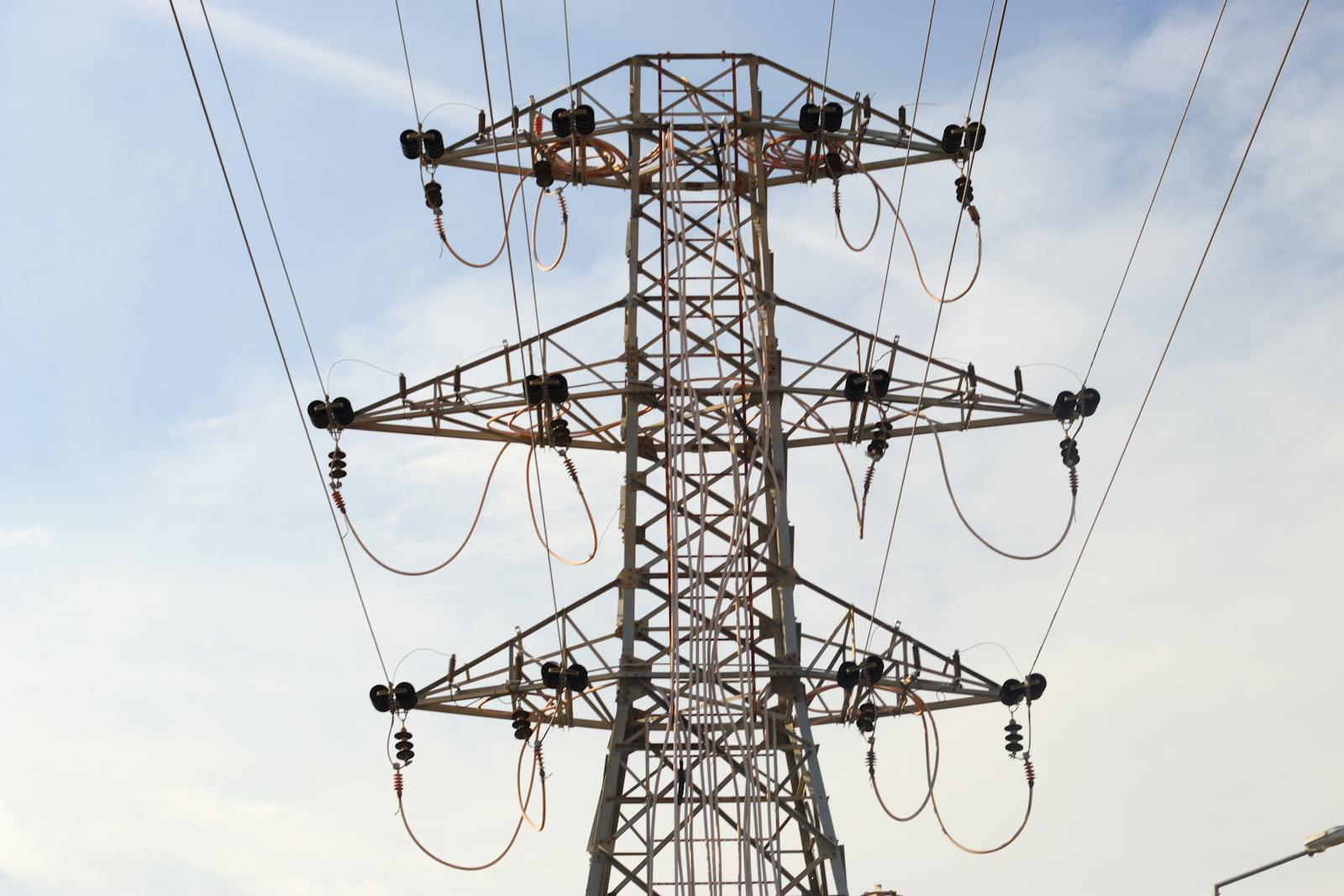
The High-Voltage Dilemma
High-Voltage Transmission Lines (HVTL) are a common feature of the Alberta landscape. Properties backing onto these utility corridors often present a tempting proposition: a larger lot, massive green space, and a price tag that looks like a bargain. But is the discount worth it?
In 2026, as grid modernization continues, the debate around living near power lines remains active. Buyers must weigh the tangible benefits (price, space) against the intangible costs (stigma, resale difficulty).
The Valuation Impact: The "Discount"
Real estate data confirms that proximity to HVTLs impacts property value. Studies suggest a diminution in value ranging from 2% to 10% for properties immediately adjacent to the lines.
The Pros and Cons of HVTL Properties
The impact is highly visual. If the towers are screened by mature trees or are smaller wooden poles, the value impact is negligible. If they are massive steel lattice towers dominating the backyard view, the impact is severe.
Perception vs. Reality
The biggest hurdle is the Stigma Cost. Regardless of scientific consensus stating that residential magnetic fields from power lines are generally safe, a significant segment of the buying public (up to 80% in some surveys) perceives a health risk.
As a seller, you cannot "educate" a buyer out of this fear. If they believe it is unsafe, they will not buy it. This reduces your liquidity. When you buy a home near lines, you must accept that when you sell, you will face this same reduced buyer pool.
The "Green Space" Premium
In dense suburban areas, the utility corridor effectively functions as a linear park. It provides off-leash dog walking areas, cycling paths, and open sky views. For some buyers, this amenity actually neutralizes the negative impact of the lines. If the choice is between a house backing onto a busy roadway or a house backing onto a quiet (albeit ugly) power line corridor, the power line often wins.
Location is the one thing you can't change. We provide honest, data-driven assessments of location risks, including utility corridors. Connect with for a candid evaluation of any property.
Conclusion
Buying near power lines is a personal calculus. If you plan to stay long-term (15+ years), the initial discount and the lifestyle benefit of the green space likely outweigh the resale friction. If you are a short-term owner (3-5 years), the liquidity risk is significant.
Make an informed choice, not a fearful one. Connect with Ryan and the Real Living team to discuss the specific impacts of utility corridors on your potential home.