Pre-Inspection for Sellers: Fixes That Actually Add Value in Edmonton (2026 Edition)
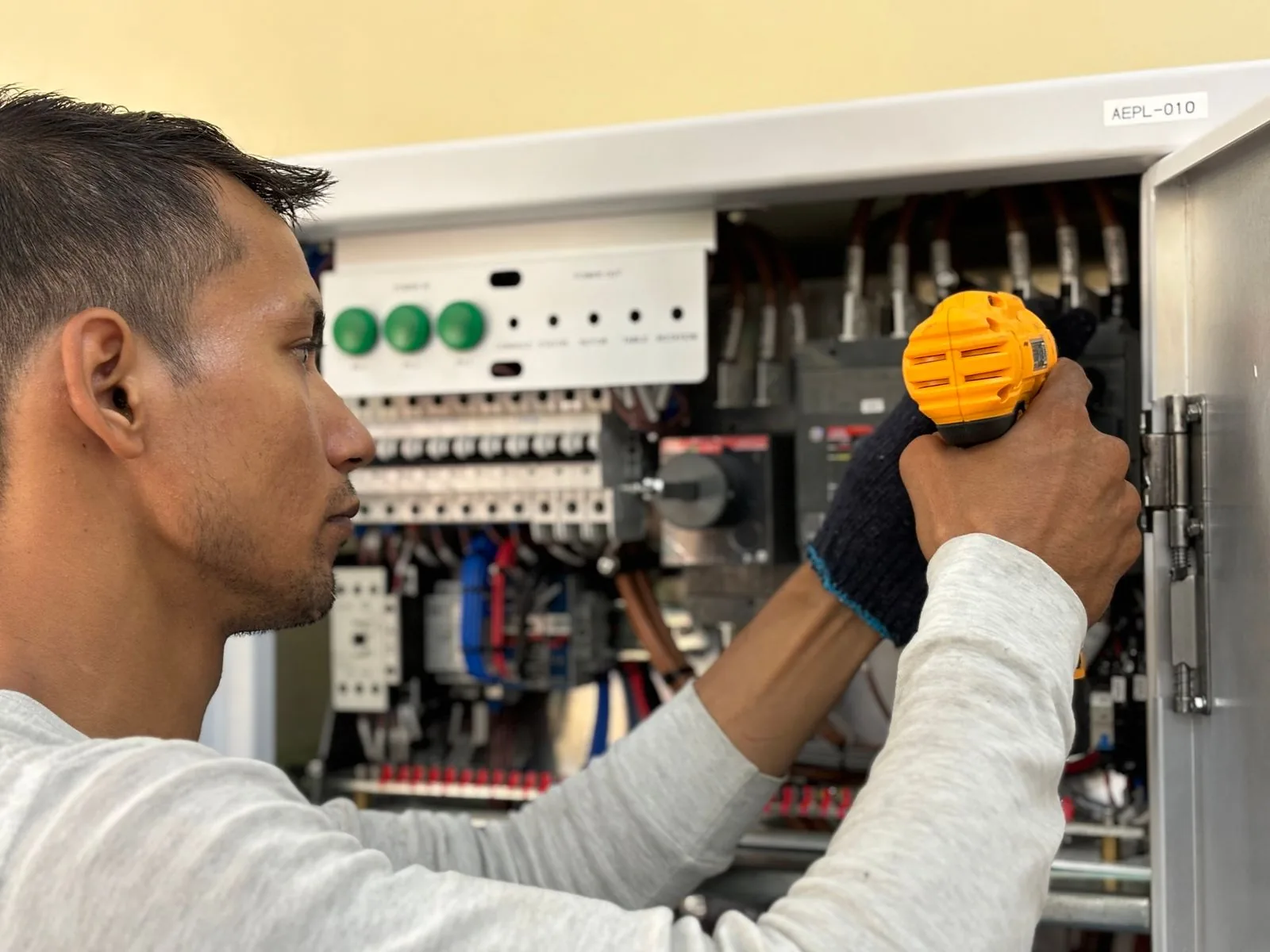
The short answer
In the 2020s frenzy buyers waived inspections and a pre-inspection looked like wasted money. In 2026's balanced market it is a defensive weapon: identifying and fixing issues before listing lets you control the narrative, protect the asking price and stop the deal collapsing late. Spend on the mechanical heart of the home, not on granite.
Key takeaways
- Buyers in 2026 are cautious, educated and data-driven — they are buying a safe investment, not a pretty kitchen.
- A pre-listing inspection lets you control the narrative rather than react to the buyer's inspector.
- The real ROI is in the unsexy mechanical systems, because buyers are afraid of inheriting expensive problems.
- Aluminum wiring is a specific Edmonton issue in homes built roughly 1965 to the mid-1970s — common in Lynnwood, Callingwood and Sherwood Park.
- Some cosmetic fixes genuinely matter; most do not. Know which before spending.
- Compile findings and receipts into an open-book binder — documented problems with quotes attached are a negotiating position, not a liability.
- Buyer beware is effectively dead as a selling posture in this market.
The Shift to Transparency: Why "Buyer Beware" is Dead
In the chaotic seller's markets of the early 2020s, a "pre-inspection" was often considered a waste of money. Buyers were desperate, often waiving inspection conditions just to get a foot in the door.
Welcome to 2026. The Edmonton real estate market has matured into a balanced, sophisticated environment. Today’s buyers are cautious, educated, and data-driven. They are not just looking for a pretty kitchen; they are looking for a safe investment.
In this landscape, a pre-listing home inspection is no longer just "nice to have"—it is a strategic defensive weapon. By identifying and fixing issues before you list, you control the narrative, protect your asking price, and prevent your deal from collapsing at the eleventh hour.
The "Unsexy" Upgrades: Where the Real ROI Lives
Edmonton buyers in 2026 are hyper-focused on the mechanical heart of the home. With the cost of living remaining a priority, buyers are terrified of inheriting expensive problems. They will pay a premium for "peace of mind."
If you have a limited budget to prepare your home for sale, ignore the granite countertops and focus on these four critical systems.
1. The Aluminum Wiring Dilemma (Homes Built mid-60s to mid-70s)
If your home was built between 1965 and the mid-1970s (common in neighbourhoods like Sherwood Park, Lynnwood, or Callingwood), you likely have aluminum wiring.
The Buyer's Fear: Fire risk and insurance denials. Many insurers will not cover homes with aluminum wiring unless it has been professionally remediated.
The Fix: You do not need to rewire the entire house, which can cost upwards of $20,000. instead, hire a certified electrician to perform "pigtailing"—attaching copper ends to the aluminum wires using approved connectors (like AlumiConn).
The Cost: In 2026, pigtailing a standard bungalow costs approximately $2,000 - $3,000.
The ROI: This is massive. If you list without doing this, buyers will either walk away or demand a $10,000+ price reduction. Doing it upfront makes your home "insurable" and market-ready.
2. The "Poly-B" Plumbing Deal Breaker
Polybutylene (Poly-B) is that grey plastic piping used extensively in Edmonton from 1978 to 1995.
The Reality in 2026: It’s not a matter of if it leaks, but when. Most insurance companies now demand higher deductibles or outright refuse coverage for homes with Poly-B.
The Fix: Replace it. Unlike wiring, there is no "repair" for Poly-B. It must be replaced with PEX piping.
The Cost: A complete re-pipe for an average Edmonton home runs $5,000 to $15,000, depending on drywall access.
The Strategy: If you cannot afford to replace it, you must disclose it and price your home accordingly. However, replacing it puts you in a different tier of listings, allowing you to advertise "New Plumbing/No Poly-B," which is a huge selling feature in areas like Mill Woods and Riverbend.
3. The Sewer Line: Edmonton's Hidden Liability
In mature neighbourhoods like Westmount, Glenora, or Strathcona, sewer lines are often original clay tiles that are 70+ years old. They are prone to collapse and tree root intrusion.
The Fear: A collapsed sewer line can cost $15,000 - $25,000 to excavate and replace.
The Fix: Get a Sewer Scope Inspection. A camera is fed down the line to check its condition.
The Cost: roughly $250 - $450.
The ROI: If the line is clean, having that video link available in your listing builds immense trust. If it has roots, you can pay a few hundred dollars to have it "augured" (cleaned out) before listing, removing a major objection for buyers.
4. Radon: The Silent Negotiator
Radon is an invisible, radioactive gas prevalent in Alberta soils. Health Canada standards have become a major talking point for buyers in 2026.
The Fix: If your home tests high (above 200 Bq/m³), install a mitigation system.
The Cost: Approximately $2,500 - $3,000.
Grant Alert: Check if you qualify for the "Lungs Matter" grant or other provincial efficiency rebates which can cover up to $1,500 of mitigation costs.
The "Cosmetic" Fixes That Actually Matter
Once the mechanicals are safe, you can look at aesthetics. But be careful—not all renovations pay off.
Lighting: The Cheapest Makeover
Dark homes sit on the market.
The Fix: Replace every burnt-out bulb. Upgrade old incandescent bulbs to 3000K (Warm White) LEDs.
Why: 3000K is the "sweet spot"—it is bright and modern but not cold and clinical like 5000K "Daylight" bulbs.
Cost: Under $200 for the whole house.
Flooring: Cleanliness is King
If you have carpet in high-traffic areas (hallways, living room) that is stained, worn, or smells like a pet, it has to go.
The Fix: Replace with Luxury Vinyl Plank (LVP).
Why: LVP is durable, waterproof, and highly desirable in Edmonton because it handles wet winter boots better than laminate or hardwood. It’s the standard for 2026 buyers.
What to Ignore (Save Your Money)
Don't fall into the money pit of over-renovating.
Windows (Unless Broken): You will rarely get a 100% return on replacing windows just for energy efficiency. If the seals aren't blown (foggy glass) and they open/close, leave them.
The "Dream" Bathroom: Do not gut a bathroom to change the tile colour. Styles are subjective. Instead, re-grout the tile, re-caulk the tub, and replace the vanity mirror. These small touches make it feel fresh without the $15,000 price tag.
The Strategic Advantage: The "Open Book" Binder
Here is the secret weapon used by top sellers in 2026. When you list your home, leave a binder on the kitchen counter containing:
The Pre-Inspection Report.
Receipts for the work you did to fix the issues found in the report (e.g., the invoice for the electrical pigtailing or the sewer cleaning).
Utility bills for the last 12 months (proving reasonable heating costs).
Why this works: It removes the buyer's leverage. If a buyer says, "We want $5,000 off because the roof looks old," you can point to the report and say: "The roof was inspected and verified to have 5-7 years of life remaining. We have priced the home accordingly."
You have turned a potential negotiation battle into a non-issue.
Conclusion
In 2026, a "surprise-free" transaction is the ultimate goal. A pre-inspection allows you to fix small issues for $100 that a buyer might perceive as a $1,000 problem. It streamlines the sale, reduces stress, and ultimately puts more money in your pocket by ensuring your deal doesn't fall apart during conditions.
Be proactive. Be transparent. Be sold.
Reference Links:
Real Living’s Guaranteed Sale Program
Free Home Evaluation Request
Find Out What Your Neighbour Sold For
What’s for sale in these neighbourhoods right now
Live inventory for the communities this guide covers, straight from the MLS® feed. Each name links to its full neighbourhood page.
| Neighbourhood | For sale | Median price | Starting from |
|---|---|---|---|
| Westmount | 61 | $450,000 | $85,000 |
| Strathcona | 52 | $262,150 | $99,900 |
| Glenora | 35 | $975,000 | $97,500 |
| North Glenora | 12 | $537,400 | $394,900 |
| Sherwood | 6 | $517,000 | $349,900 |
| Lynnwood | 4 | $474,900 | $375,000 |
Source: Real Living’s CREA DDF® feed, active Edmonton residential listings as of 27 October 2026. Figures refresh several times a day. Browse every Edmonton neighbourhood.

Ryan McCann
Ryan McCann is an Edmonton REALTOR® with over 23 years of experience helping more than 2,200 buyers and sellers. His work spans every Edmonton neighbourhood and property type, bringing deep local market knowledge and practical guidance to buying or selling a home in Edmonton.
He has guided more than 2,200 buyers and sellers through Edmonton transactions, and prices listings from what is selling now rather than from what a seller hopes to get.
Contact Ryan today at 780-964-8445 to talk through your next step.
Reviewed 27 October 2026
Frequently asked questions
Is a pre-listing inspection worth it in Edmonton?
In the current balanced market, yes. It lets you find and fix problems on your own timeline, control how they are presented, protect the asking price, and avoid a deal collapsing during the buyer's condition period.
What repairs actually add value before selling?
The mechanical systems buyers fear inheriting — wiring, heating, plumbing and roof — rather than cosmetic upgrades like countertops. Buyers pay a premium for peace of mind about expensive systems.
Which Edmonton homes have aluminum wiring?
Homes built between roughly 1965 and the mid-1970s, which is common stock in neighbourhoods such as Lynnwood and Callingwood. It is a known insurer and lender concern, so it is worth addressing before listing.
Your next step
Find out what your home is actually worth — and what you would net after fees — with a free, no-obligation evaluation.
Get a free home evaluation