Understanding how homes are truly valued in Edmonton's real estate market goes far beyond simply looking at price per square foot or recent sales in your neighbourhood. Professional appraisals and accurate market evaluations incorporate dozens of factors that interact in complex ways to determine what buyers will actually pay for a property. Whether you're preparing to sell, considering a purchase, or simply want to understand your home's current worth, grasping these evaluation fundamentals is essential for making informed real estate decisions.
Market Absorption Rates: Understanding Supply and Demand Dynamics
Market absorption rate—the pace at which available homes sell in a given market—is one of the most critical yet often overlooked factors in property valuation. This metric directly influences pricing strategies and ultimately affects what your home is worth at any given moment.
Absorption rate is calculated by dividing the number of active listings by the number of sales per month. An absorption rate of 6 months is generally considered balanced (meaning current inventory would take six months to sell at the current sales pace). Rates below 4 months indicate a seller's market where prices typically rise, while rates above 8 months suggest a buyer's market where prices often soften. Using MLS data, your Realtor can provide you with an absorption rate for your neighbourhood.
In Edmonton, absorption rates vary dramatically by price point, property type, age of property and neighbourhood. The $300,000-$500,000 segment might have a 3-month absorption rate indicating strong demand, while the $800,000+ segment might show 14-month absorption, suggesting pricing pressure. Your specific property's value is directly affected by absorption in its particular market segment.
According to Canadian Real Estate Association data, properties listed when absorption rates favour sellers (under 4 months) sell for an average of 3-5% more than identical properties listed during high-absorption periods (over 8 months). This difference can represent $15,000-$25,000 on a $500,000 home.
💡 Expert Tip: Before listing your home, request a detailed absorption rate analysis for your specific property type, price range, and neighborhood from your real estate professional. Don't rely on city-wide statistics—a 5-month overall absorption rate might mask a 2-month rate for homes like yours or a 9-month rate. Properties priced appropriately for current absorption rates in their specific segment sell 28% faster and achieve 4-6% higher sale prices than those using city-wide averages for pricing guidance.
Directly Comparable Inventory: The Active Competition
While past sales provide historical context, active listings—homes currently competing with yours for buyers—have immediate and powerful effects on valuation. The number, quality, days on market and pricing of directly comparable homes on the market right now determines your property's competitive position.
Directly comparable inventory means homes that would appear on the same buyers' shortlists as your property: similar size (within 15% of square footage), similar age (within 10 years for newer homes, 20 years for older), same general location (within 2-3 kms), similar lot characteristics, and comparable condition and features.
When five homes nearly identical to yours are actively listed, buyers have choices and negotiating leverage. When your home is one of only two similar properties available, scarcity drives value. This dynamic changes weekly as new listings emerge and existing ones sell or expire.
The pricing of competing inventory matters as much as its quantity. If comparable homes are listed at $475,000, $485,000, and $495,000, positioning your similar home at $520,000 places it at a significant disadvantage regardless of any superior features. Buyers will view showings of lower-priced options first and may never see your property. Essentially, your helping your neighbour sell their home while adding stigmatizing yours with additional days on market and price reductions.
Market Insight: Statistical analysis of Edmonton MLS data shows that homes priced in the top 25% of their directly comparable inventory (same neighbourhood, similar size/age) take an average of 73 days to sell, while those priced in the middle 50% sell in 38 days, and those in the bottom 25% sell in just 21 days. However, bottom-quartile pricing results in 8-12% lower final sale prices. The optimal strategy is middle-50% pricing, which balances time-on-market with price achievement. Homes spending over 60 days on market ultimately sell for 6-9% less than comparable homes that sold within 30 days.
Similar Homes in Adjacent Communities: Expanding the Comparison
When directly comparable inventory within your immediate neighbourhood is limited—a common situation in smaller communities or with unique properties—appraisers and buyers look to adjacent communities for comparison data. This geographic expansion of the comparable set introduces additional variables that affect valuation.
Adjacent communities in Edmonton aren't interchangeable even when homes are physically similar. A 1,800-square-foot two-storey in Summerside doesn't value identically to the same floor plan in Heritage Valley, despite both being newer suburban neighbourhoods. Factors like school quality, proximity to amenities, community age and maturity, transportation access, and neighbourhood reputation all create value differentials.
Professional appraisers apply location adjustments when using comparables from adjacent areas. These adjustments typically range from 3-8% based on perceived desirability differences. A home that sold for $500,000 in a slightly more prestigious adjacent neighboruhood might support a $475,000-$485,000 valuation in your area after location adjustments.
The challenge intensifies when your neighbourhood has unique characteristics. If you're in a neighbourhood with larger lots, mature trees, or specific amenities (like lake access), comparables from communities lacking these features require substantial adjustments that reduce appraisal precision.
Expert Tip: When reviewing comparable sales from adjacent communities, apply the "buyer migration test." Would buyers actively considering your neighbourhood also seriously consider the adjacent community, or vice versa? If the answer is yes (like Riverbend and Terwillegar in Edmonton), comparables are highly relevant. If no (like Glenora and a distant suburb), those comparables require heavy adjustment or should be excluded. Request that your agent provide this analysis in writing, explaining why each comparable was selected and what adjustments were applied, creating a defensible valuation that supports negotiations and appraisals.
Seasonal Adjustments: Timing's Impact on Value
Edmonton's real estate market experiences significant seasonal fluctuations that affect both property values and marketing success. Understanding these patterns helps sellers time listings strategically and buyers recognize opportune purchasing moments.
Spring (April-June) represents Edmonton's peak selling season. Buyer activity surges as weather improves, families plan moves before the school year ends, and seasonal workers return. Inventory increases but demand rises even faster, creating competitive conditions that support premium pricing. Homes listed in May typically sell for 3-6% more than the same homes would achieve in November.
Summer (July-August) maintains strong activity though it gradually softens as vacation season peaks. Well-priced homes still sell quickly, but buyer urgency decreases slightly. This period favours neither buyers nor sellers dramatically—it's a relatively balanced market season.
Fall (September-October) sees renewed activity as families settle after summer and workers return from seasonal employment. This brief window offers another strong selling period, though typically not quite matching spring intensity. Buyers in fall are often serious purchasers with specific timelines.
Winter (November-March) slows considerably in Edmonton. Harsh weather reduces showing activity, holidays distract buyers, and many sellers delay listing until spring. However, serious buyers remain active—those relocating for work, those who must move regardless of season, and investors seeking deals. The reduced competition can benefit well-priced properties, though overall demand is lower.
Market Insight: Analysis of five years of Edmonton MLS data reveals that properties listed in May sell for an average of $18,500 more than identical properties listed in December (controlling for condition, location, and other factors). However, May listings face 40% more direct competition. Winter listings (December-February) that are priced 2-3% below spring market value sell in an average of 42 days to serious buyers with less price negotiation—resulting in net proceeds often within 1-2% of spring sales after accounting for reduced carrying costs and faster equity access.
Condition and Upgrades: Quantifying Quality Differences
Property condition and upgrade quality significantly impact valuations, but quantifying these impacts requires systematic evaluation rather than subjective assessment. Professional appraisers use standardized condition ratings and adjustment schedules to account for these differences.
Condition typically falls into five categories: Excellent (like new, meticulous maintenance, no deferred repairs), Good (well-maintained, minor wear, no significant repairs needed), Average (normal wear, some minor repairs needed, functional but dated elements), Fair (significant wear, multiple repairs needed, dated throughout), and Poor (substantial repairs required, major systems at end of life, significant deferred maintenance).
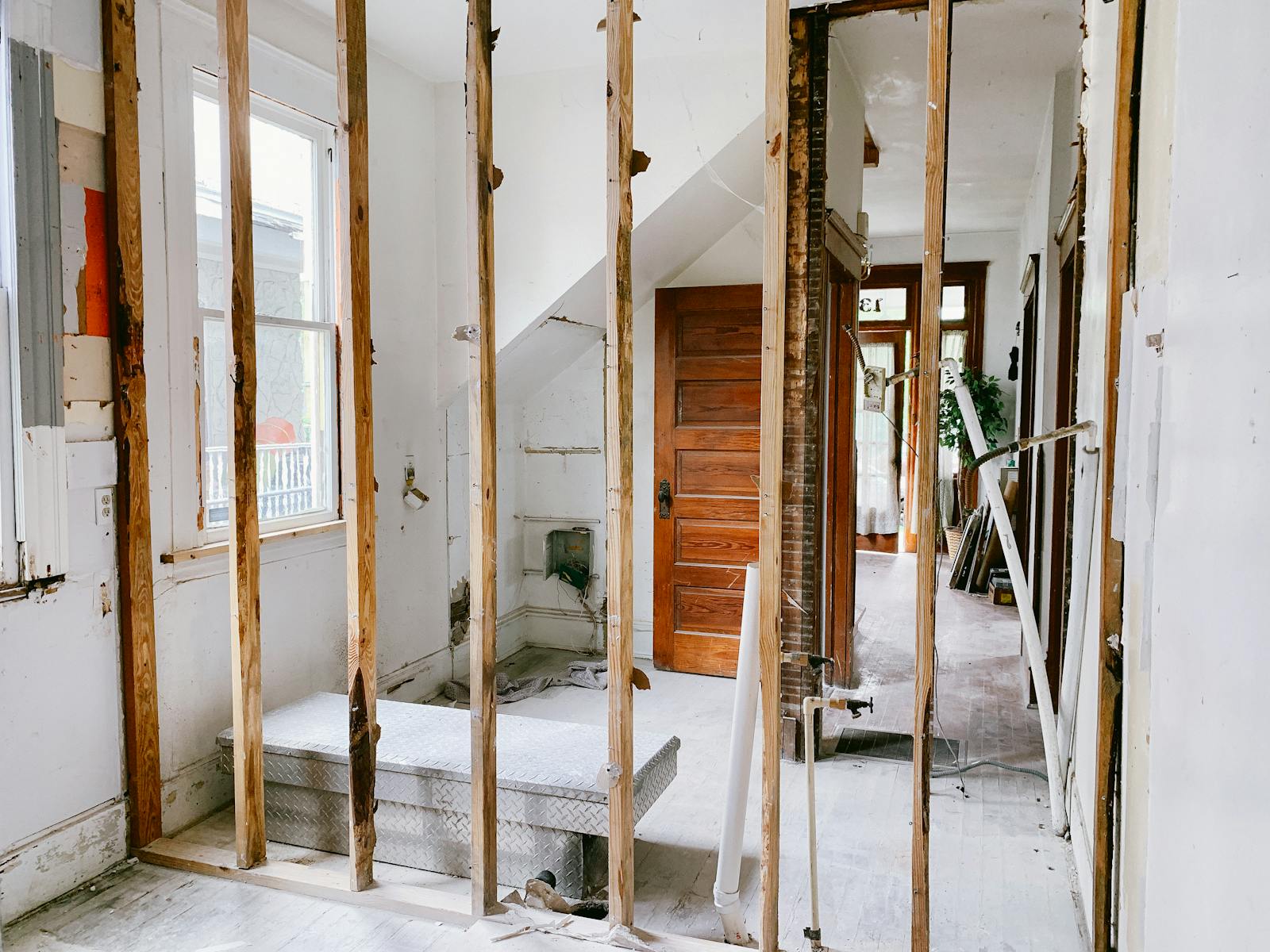
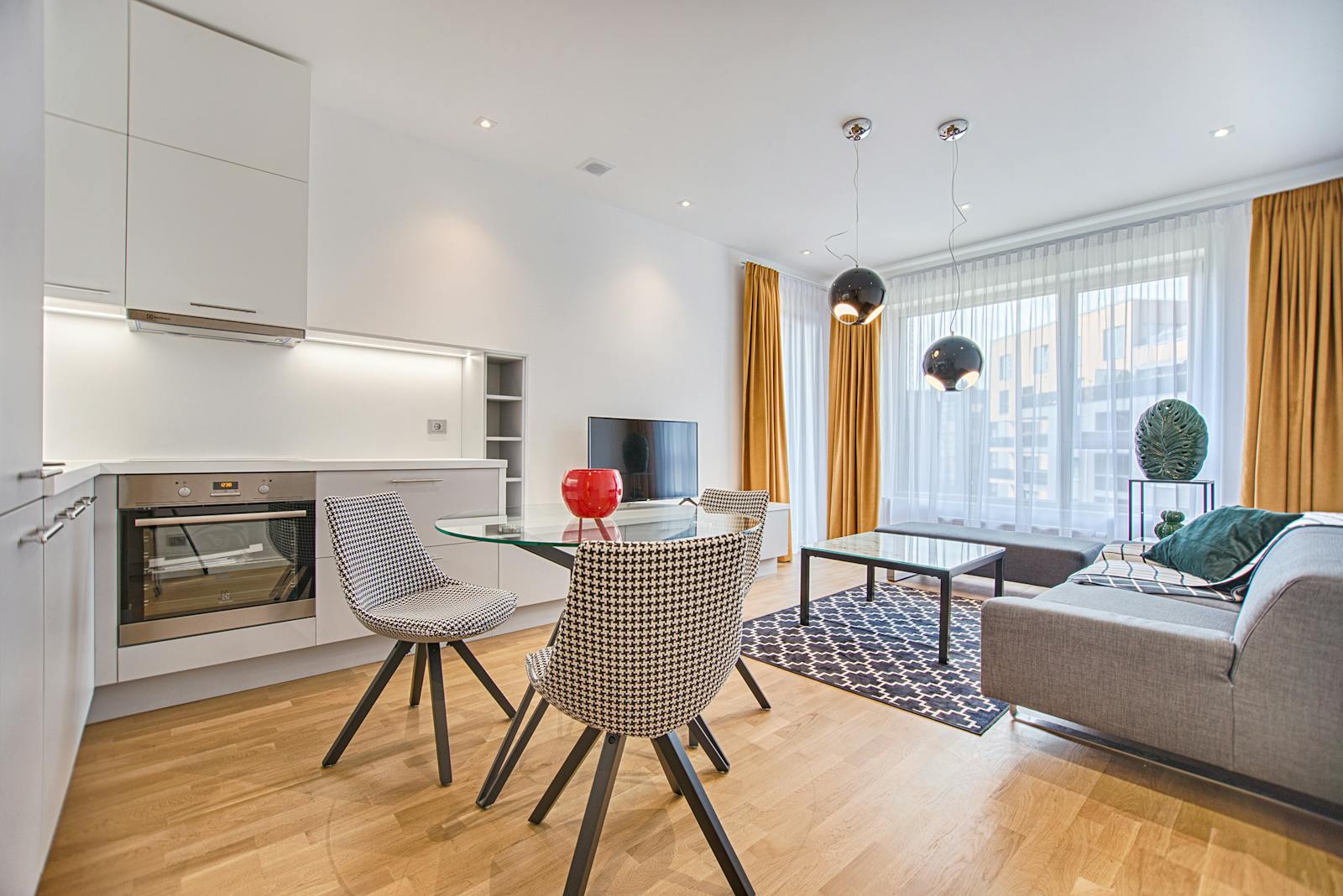
The value difference between condition levels is substantial. A home in excellent condition might appraise 8-12% higher than an identical home in average condition, while a home in fair condition might appraise 15-20% lower. On a base value of $500,000, these percentages represent $40,000-$100,000 in value variation based solely on condition.
Upgrades affect value differently than sellers often expect. Kitchen and bathroom renovations typically return 60-80% of their cost in added value when professionally done with quality materials. Basement developments return 50-70% of costs. Cosmetic updates (paint, flooring, fixtures) return 40-60%. Highly personalized improvements (elaborate home theaters, specialized hobby spaces) may return only 20-40% or even reduce value by limiting buyer appeal.
According to Alberta's property assessment guidelines, upgrades must be evaluated based on quality, appropriateness, and remaining useful life. A $50,000 kitchen renovation completed 10 years ago adds less value than a $35,000 renovation completed 2 years ago, as the older renovation has already depreciated and may be trending out of style.
Expert Tip: Before investing in pre-listing renovations, request a professional "value-add analysis" from your real estate agent. This analysis should identify specific improvements that will return 100%+ of costs in added value (often simple repairs, paint, landscaping) versus those returning 50-70% (major renovations). A $5,000 investment in strategic improvements can add $8,000-$12,000 in value, while a $40,000 kitchen renovation might add only $28,000-$32,000. Focus on addressing condition issues (repairs, deferred maintenance, cleanliness) before undertaking expensive upgrades.
Specific Location Factors: The Impact of Immediate Surroundings
While neighbourhood location affects property values broadly, specific site characteristics—what's immediately adjacent to or visible from the property—create substantial value variations even among homes on the same street. These location factors can influence valuations by 10-30% or more.
Fronting Major Roads and Traffic Impact
Homes fronting major arterial roads in Edmonton face significant value reductions compared to similar homes on quiet residential streets. The impact varies by road type and traffic volume, but the effect is consistently negative.
Properties on four-lane arterials with traffic counts above 15,000 vehicles daily typically see 12-18% value reductions compared to interior street locations. Two-lane collector roads with 5,000-10,000 daily vehicles see 8-12% reductions. Even increased traffic on residential streets (cut-throughs, bus routes) can reduce values by 4-7%.
The reasons are multifaceted: noise pollution reduces livability, safety concerns affect families with children, difficulty entering/exiting driveways during peak hours creates frustration, and resale challenges limit the buyer pool. Additionally, front yards on busy streets are less usable, reducing functional outdoor space.
Corner lots on busy intersections face compounded impacts. They combine arterial road exposure with multiple sides of noise and traffic, often resulting in 15-22% value reductions despite potentially larger lot sizes.
Market Insight: Comparative analysis of Edmonton sales shows that homes on Whitemud Drive service roads sell for 18-24% less than similar homes three blocks into neighbourhoods, representing $75,000-$120,000 differences on $500,000 base values. However, arterial-fronting properties with effective noise mitigation (6+ foot privacy fences, mature tree buffers, upgraded windows) reduce this penalty to 10-15%. The $8,000-$15,000 investment in quality fencing and landscaping returns $30,000-$45,000 in reduced value loss—a 250-350% ROI unique to arterial properties.
Backing Freeways and Highway Proximity
Properties backing Edmonton's major freeways (Anthony Henday, Whitemud Freeway, Yellowhead Trail) experience some of the most severe location-based value impacts in the market. Unlike arterial roads where homeowners have some control over front yard aesthetics, freeway backing is an immutable characteristic that permanently affects property values.
Homes within 150 meters of freeways typically experience 20-30% value reductions compared to similar homes without this proximity. The impact decreases with distance: properties 150-300 meters away see 12-18% reductions, while those 300-500 meters away see 6-10% reductions. Beyond 500 meters, freeway impact becomes negligible in most cases.
The value reduction reflects multiple factors: constant traffic noise (often 65-75 decibels even with barriers), air quality concerns from vehicle emissions, visual impact reducing yard enjoyment, privacy loss as drivers can see into yards, and resale difficulty as many buyers actively filter out freeway-adjacent properties in their searches.
Sound barriers provide some mitigation but don't eliminate value impact. Properties behind 6-meter sound walls still experience 15-22% value reductions compared to freeway-distant homes, as barriers block views, create shadows, and remind residents of the freeway's presence even when noise is reduced.
Expert Tip: If selling a freeway-adjacent property, emphasize compensating factors in marketing: highway access convenience (quantify commute time savings), larger lots often available in these locations, lower purchase prices enabling buyers to afford better interiors/finishes, and mature landscaping that may have developed since construction. Price 18-25% below comparable non-freeway properties to attract buyers quickly—attempting to minimize the discount extends time-on-market without ultimately achieving higher prices, as buyer pools for freeway properties are limited and price-sensitive.
Power Line Proximity and Transmission Corridors
High-voltage transmission lines and towers near residential properties create value impacts that vary based on voltage, visibility, and distance. This factor is often underestimated by sellers and creates appraisal challenges due to limited comparable sales with similar exposure.
Properties directly adjacent to major transmission corridors (500kV+ lines with large towers) experience 15-25% value reductions. Homes within visual sight of transmission towers but not immediately adjacent see 8-15% reductions. Properties near smaller distribution lines (under 100kV) typically see only 3-7% impacts.
The value reduction stems from several concerns: health perceptions (whether scientifically valid or not, many buyers worry about electromagnetic fields), visual impact reducing aesthetic appeal and views, noise from lines during certain weather conditions (humming, crackling), and psychological discomfort some buyers feel living near infrastructure.
Interestingly, the actual health risk is less important to value than buyer perception. Even though scientific consensus suggests minimal health risks at typical distances, buyer perception drives markets. Properties near transmission lines face reduced buyer pools as many purchasers automatically exclude them from consideration.
Market Insight: Edmonton properties within 100 meters of major transmission corridors (like the lines running through Mill Woods, Ellerslie and Chappelle and other established areas) sell for an average of $62,000 less than comparable homes without this proximity, based on analysis of 150+ sales over three years. Days-on-market averages 67 days versus 41 days for similar homes. However, properties that acknowledge this factor with competitive pricing (17-22% below comparable values) sell within 35 days on average, suggesting that appropriate pricing overcomes buyer resistance. Avoiding the topic or overpricing extends marketing time without improving net proceeds.
Adjacent Commercial Development
Residential properties adjacent to commercial developments experience varied value impacts depending on the commercial use type, buffers, and property orientation. Unlike freeway or power line proximity where impacts are universally negative, commercial adjacency can sometimes provide neutral or even positive effects.
Homes backing onto strip malls, gas stations, or loud commercial operations (restaurants with exhaust, loading docks, 24-hour facilities) typically see 10-18% value reductions. Concerns include noise, lights, odours, increased traffic on adjacent residential streets, and aesthetic impacts. When buying a home have your Realtor assist with a permit check for adjacent properties. The vacant field across the street could be a future Wal-Mart site, school, or LRT station.
Properties near quieter commercial uses like office buildings, medical clinics, or small professional plazas may see only 5-8% impacts, and sometimes less if the commercial use provides convenient services (coffee shops, pharmacies) without significant negative externalities.
Commercial adjacency facing the front of properties (across the street) typically impacts values less than backing situations—roughly 5-10% versus 12-18%—as homeowners maintain control over their primary yard space and can mitigate impacts with landscaping.
Buffer zones significantly affect impact severity. A 10-meter landscaped buffer between residential and commercial uses reduces value impact by 30-40% compared to properties with direct fence-line adjacency. Mature tree buffers are particularly effective at reducing visual and noise impacts.
Expert Tip: When evaluating homes adjacent to commercial properties, investigate future development potential on neighbouring commercial parcels. Vacant commercial land zoned for development poses greater risk than established commercial uses with stable tenants. Request information from the City of Edmonton planning department about any pending development applications. A property currently backing a vacant commercial lot that could become a drive-through restaurant faces different valuation than one backing an established medical office. Factor this uncertainty into purchase offers or listing prices—undeveloped commercial adjacency warrants 3-5% additional discount versus established commercial uses.
Other Location-Specific Factors Affecting Value
Backing Parks and Green Spaces
Unlike the negative location factors above, backing parks, ravines, or permanent green spaces typically adds 5-12% to property values in Edmonton. The premium reflects enhanced privacy, pleasant views, reduced density, and recreational access. However, the premium varies by park type—natural ravines command highest premiums (10-15%), while manicured parks see moderate premiums (6-10%), and sports fields with lights and noise see minimal premiums (2-5%).
School Proximity
Properties within walking distance of highly-rated schools (as measured by Fraser Institute rankings or parental reputation) command 5-10% premiums in Edmonton's market. However, this premium applies primarily during elementary school years—it softens for middle/high school proximity. Conversely, immediate adjacency to schools (sharing fence lines) can reduce values 3-6% due to noise, traffic, and lost privacy.
Backing Golf Courses
Golf course backing provides mixed value impacts. Properties backing fairways with unobstructed views command 8-15% premiums. However, properties backing tee boxes or greens may see reduced or no premiums due to safety concerns from errant balls. Homes on golf courses requiring membership for access see lower premiums (5-8%) than those with view benefits but no mandatory fees.
Railway Proximity
Properties near active railway lines (like the CN lines through Edmonton) experience similar impacts to freeways—12-25% value reductions depending on distance, train frequency, and time of operation. Freight lines with nighttime traffic create larger impacts than passenger lines with predictable daytime schedules.
Market Insight: Location-specific factors in Edmonton create a valuation range of up to 45% between best and worst locations within the same neighbourhood. A home backing a ravine park on a quiet cul-de-sac might sell for $650,000 while an identical home fronting an arterial road and backing commercial development sells for $425,000—a $225,000 difference based purely on specific location factors. This disparity exceeds the value difference created by most renovation investments, reinforcing the real estate maxim: "location, location, location."
Integration of Multiple Factors: The Complexity of Accurate Valuation
Real-world property evaluations rarely involve single factors operating in isolation. Most properties present combinations of influences—positive and negative, market-based and property-specific—that interact in complex ways to determine final market value.
Consider a 2,000-square-foot home in a desirable Edmonton neighborhood: excellent condition with recent upgrades (+8% value), but fronting a busy collector road (-10%), listed during winter with high absorption in its segment (-4%), with limited directly comparable inventory creating scarcity (+3%), and backing a quiet office complex (-6%). These factors don't simply add to -9% total—they interact, compound, and offset each other in ways requiring professional judgment to evaluate accurately.
This complexity explains why automated valuation models (AVMs) like online estimate tools often miss actual values by 10-20% or more. AVMs struggle with location-specific factors, condition assessment, upgrade quality evaluation, and current market dynamics. They provide useful starting points but cannot replace professional appraisal or comparative market analysis by experienced real estate professionals.
Expert Tip: Request a written "factor analysis" from your real estate professional that lists and quantifies each major value influence on your property: absorption rate impact, directly comparable inventory assessment, seasonal timing effects, condition and upgrade evaluation, and specific location factors. This analysis should show how factors interact (e.g., excellent condition partially offsets arterial road location; winter timing matters less when comparable inventory is very low). This documented approach creates defensible pricing that withstands buyer negotiations and supports successful appraisals, reducing transaction failure risk and improving net proceeds.
The Appraisal Process and Factor Integration
When buyers obtain financing, lenders require professional appraisals confirming that purchase prices reflect actual market values. Understanding how appraisers integrate the various factors discussed above helps both buyers and sellers navigate transactions successfully.
Appraisers begin with comparable sales—recently sold properties similar to the subject property. They then apply adjustments for differences: if a comparable has a garage and the subject doesn't, the appraiser reduces the comparable's sale price by the garage's contributory value (typically $15,000-$25,000 in Edmonton). If a comparable is in excellent condition and the subject is average, the appraiser reduces the comparable's price by the condition difference value.
Location-specific factors receive similar treatment. If a comparable sold for $500,000 on a quiet street and the subject fronts an arterial, the appraiser might reduce the subject's value by $60,000-$75,000 (12-15%) to account for the location disadvantage. Multiple adjustments accumulate to produce a final indicated value.
Appraisers also consider market conditions between comparable sale dates and the appraisal date. If comparables sold during spring peak season and the appraisal occurs in winter, the appraiser applies market condition adjustments reflecting seasonal value changes.
The challenge for appraisers—and for buyers and sellers—is limited comparable data with similar location-specific factors. Finding comparable sales of arterial-fronting homes, freeway-backing properties, or other specifically challenged locations can be difficult, forcing appraisers to rely more heavily on judgment and estimated adjustments rather than market-proven differences.
Market Insight: Analysis of Edmonton appraisal data shows that properties with multiple location-specific challenges (e.g., arterial fronting AND commercial backing) face 35% higher appraisal failure rates than properties without such factors. When appraisals come in below purchase prices, 67% of transactions either fail or require renegotiation. Sellers of location-challenged properties should request pre-listing appraisals ($400-$600) to establish defensible values before listing, reducing transaction failure risk. This investment returns 10-20 times its cost by preventing failed sales and supporting appropriate pricing from day one.
Market Data Transparency and Access
Edmonton buyers and sellers benefit from relatively transparent market data through the MLS system, but interpreting this data requires context and expertise. Raw statistics without proper analysis can mislead as easily as they inform.
For example, seeing that the "average home price in Edmonton" is $425,000 tells you little about what your specific 1,800-square-foot bungalow in Bonnie Doon should list for. Similarly, knowing that absorption rates city-wide are 4.5 months doesn't indicate whether your property segment shows 2 months or 8 months absorption.
Quality market analysis drills down to specific segments: property type (detached, semi-detached, townhouse, condo), location (neighbourhood or community-specific), price range (narrow bands like $400-$450K rather than broad ranges), age and size categories, and time periods (recent 30-90 days rather than annual averages).
Professional real estate agents access detailed MLS analytics that segment markets precisely, showing not just average prices but days-on-market distributions, list-to-sale price ratios, inventory levels by specific criteria, and absorption rates for narrowly defined property types. This granular data enables accurate valuations that generic market reports cannot provide.
Expert Tip: When interviewing real estate agents, request sample market analyses for properties similar to yours. Quality analyses should include: 10-15 comparable sales with specific adjustment explanations, current competing inventory analysis with days-on-market data, absorption rate calculations for your specific segment, seasonal adjustment recommendations, and documented location-specific factor impacts. Generic "market reports" showing city-wide statistics indicate the agent lacks analytical sophistication or is unwilling to invest effort in proper valuation. Detailed analysis correlates strongly with superior pricing accuracy and higher net sale proceeds.
Pricing Strategy: Translating Valuation Into Market Results
Understanding your property's value represents only half the equation—translating that value into effective pricing strategy determines actual market results. The relationship between intrinsic value and optimal listing price is nuanced and varies based on market conditions, property characteristics, and seller objectives.
In low-absorption (seller's market) conditions with limited inventory, pricing at or slightly above indicated value can work well. Competitive buyer demand pushes final sale prices to or above asking prices. However, even in seller's markets, properties with location-specific challenges should price conservatively as their buyer pools remain limited regardless of broader market strength.
In high-absorption (buyer's market) conditions, pricing 2-5% below indicated value often produces superior results. The strategy attracts maximum showing activity, generates multiple offers, and creates urgency that can push final prices back toward or above indicated value. Properties priced at indicated value in these conditions often sit, requiring eventual reductions that stigmatize the listing.
Properties with unique characteristics—whether positive (extraordinary views, architectural significance) or negative (major location challenges, significant needed repairs)—benefit from conservative initial pricing. Limited comparable sales make value determination imprecise, and overpricing based on optimistic assumptions extends time-on-market without improving results.
Market Insight: Edmonton market analysis shows that homes priced within 2% of ultimate sale price from day one sell in an average of 28 days. Homes initially overpriced by 5-8% that later reduce to market value sell in 64 days on average—36 additional days of carrying costs, showing inconvenience, and market exposure that reduces buyer urgency. The carrying costs alone (mortgage, utilities, insurance, maintenance) average $2,800-$4,200 monthly on typical homes, meaning overpricing costs $10,000-$15,000 in extended carrying costs that exceed any theoretical pricing premium achieved. Accurate initial pricing maximizes net proceeds despite seemingly lower list prices.
Working with Professional Expertise
The complexity of accurate property valuation—integrating absorption rates, comparable inventory, seasonal factors, condition assessment, and location-specific influences—underscores the value of professional expertise. While information is readily available online, converting raw data into actionable pricing strategy requires experience, judgment, and market knowledge.
Professional real estate agents bring several advantages: access to complete MLS data including off-market and failed listings, experience with location-specific value impacts in specific neighbourhoods, understanding of current buyer preferences and how they affect feature valuations, knowledge of seasonal patterns and absorption rate trends, and relationships with appraisers ensuring alignment between pricing and appraised values.
The best professionals provide written valuation analyses explaining their methodology, documenting comparable selections and adjustments, identifying specific factors affecting your property, and presenting pricing recommendations with supporting rationale. This transparency allows you to make informed decisions based on evidence rather than opinion.
Get Expert Market Analysis for Your Property
Understanding how homes are valued in Edmonton's market provides essential knowledge for making informed real estate decisions. However, applying this knowledge to your specific property—with its unique combination of features, condition, location factors, and current market conditions—requires professional analysis tailored to your situation.
Contact Ryan McCann, a top producing Realtor today for a comprehensive market evaluation of your property. Our detailed analysis incorporates current absorption rates, directly comparable inventory assessment, seasonal market conditions, property-specific factors, and location influences to provide accurate valuations that translate into successful market results.
Reach out to Ryan McCann and Real Living for a professional consultation about your property's value and discover how expert market analysis creates superior outcomes in Edmonton's dynamic real estate market.
Reference Links:
Real Living’s Guaranteed Sale Program
Free Home Evaluation Request
Find Out What Your Neighbour Sold For